Ancient Rome Social Structure Pyramid

Imagine, if you will, a bustling Roman market, around 121 AD. Marcus, a humble baker, is hawking his fresh loaves. A patrician, draped in fine linen, pauses, sniffs the air, a...
Imagine, if you will, a bustling Roman market, around 121 AD. Marcus, a humble baker, is hawking his fresh loaves. A patrician, draped in fine linen, pauses, sniffs the air, and deigns to buy a loaf. Marcus, grinning from ear to ear, thinks, "Today's a good day!" This little scene, my friends, is a microcosm of ancient Rome's social structure.
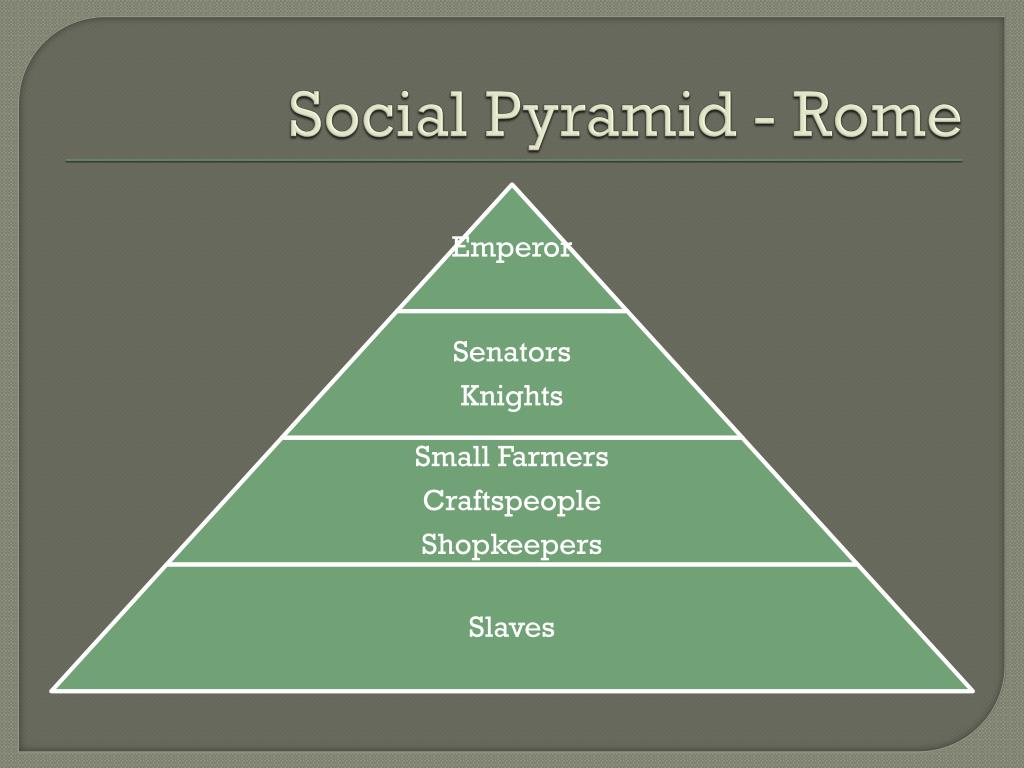
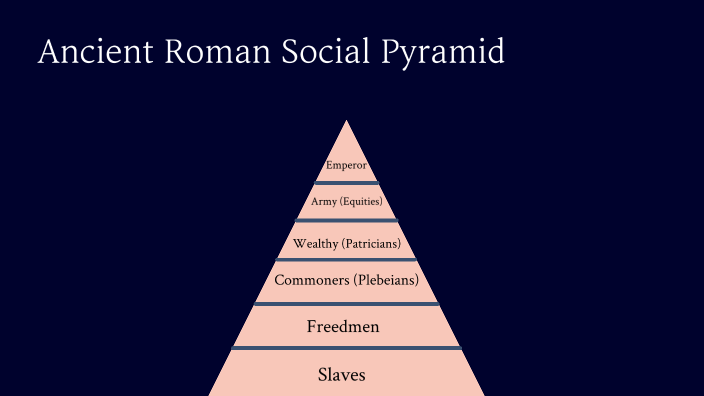
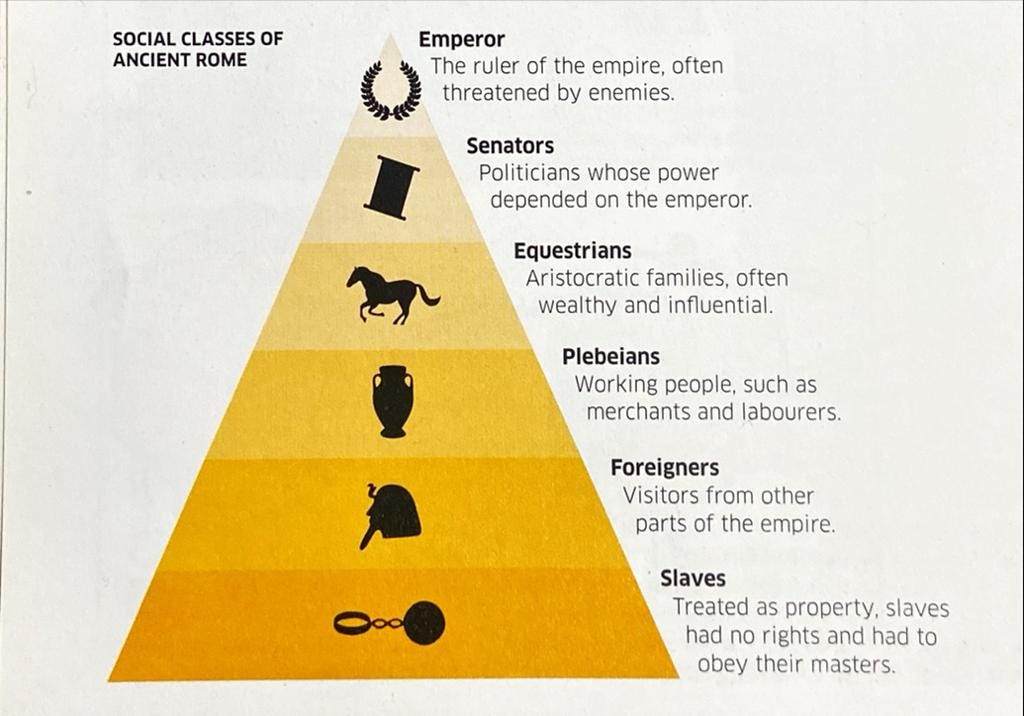
Now, let's dive into the Roman social pyramid, a hierarchical structure that was as complex as it was fascinating. Picture a massive, tiered cake - the bigger the tier, the sweeter the slice, and the higher the status.
Patricians: The Crème de la Crème
At the tippy-top, we have the patricians. These were the elite, the aristocracy. They were wealthy, powerful, and had been ruling the roost since Rome's founding. They held political offices, commanded armies, and lived in luxurious domūs (houses) with private baths and gardens. Our market patron was likely a patrician.
Must Read
Now, how did one become a patrician? Well, you were either born into it or, if you were really, really lucky, you could be adlected - that's fancy talk for 'made into a patrician' by the emperor. But don't hold your breath; this happened about as often as a snowstorm in August.
Equestrians: The Middle Class
Next up, we have the equestrians. These were the middle class, so to speak. They were wealthy enough to own a horse (hence the name), which was a sign of status. They were merchants, bankers, and high-ranking military officers. They lived in insulae (apartment buildings) that, while not as grand as the patricians' digs, were still pretty swanky.
To join the equestrians, you needed to have a certain amount of wealth - we're talking around 400,000 sesterces. That's a lot of loaves of bread, Marcus!
 Ancient Rome Social Structure Pyramid – NHAJR
Plebeians: The Common Folk
Now, let's talk about the plebeians. These were the common folk, the backbone of Rome. They were farmers, craftsmen, shopkeepers, and, of course, bakers like our friend Marcus. They lived in humble homes, often in the same insulae as the equestrians, but on the lower floors.
Plebeians had it tough. They worked hard, and their lives were often short and brutal. But they had a secret weapon: numbers. There were a lot of them, and over time, they gained more and more political power. They even had their own assembly, the Concilium Plebis, and their own tribunes to protect their interests.
Slaves: The Unseen Foundation
At the very bottom of the pyramid, we have the slaves. These were the unlucky ones, captured in war or born into servitude. They did all the backbreaking work, from farming to domestic service. They had no rights, no protections, and could be beaten, sold, or even killed at their masters' whim.
 What Are The Social Classes Of The Roman Empire at Sharon Melton blog
It's a harsh reality, but it's important to remember that ancient Rome was a society built on the backs of slaves. Without them, the whole pyramid would have crumbled.
Women: A Special Case
Now, you might be wondering where the women fit into all this. Well, that's a bit complicated. Roman women had few legal rights. They couldn't vote, hold political office, or even own property in their own name. But, and this is a big but, they also had a lot of influence behind the scenes.
Roman women were expected to manage the home, raise the children, and keep an eye on the family's finances. They were often the ones making the day-to-day decisions that kept the household running. So, while they might not have had the same political power as men, they still wielded a lot of influence.
And there you have it, folks! A whirlwind tour of ancient Rome's social structure. It's a complex web of power, wealth, and influence, but at its heart, it's just a bunch of people trying to make their way in the world, much like you and me. So, the next time you're in the market for a loaf of bread, remember Marcus, and the whole fascinating world he was a part of.
