Are Hazel Eyes Dominant Or Recessive

Ever looked in the mirror and wondered, "Are my hazel eyes a rare gem or just a common pebble?" Well, buckle up, because we're about to dive into the fascinating world of gene...

Ever looked in the mirror and wondered, "Are my hazel eyes a rare gem or just a common pebble?" Well, buckle up, because we're about to dive into the fascinating world of genetics, and it's gonna be a hoot!
Let's Talk Genes, Baby!
So, you've got these amazing hazel eyes, right? You might be wondering, are they the result of some dominant gene that's making your eyes the cat's pajamas? Or are they a sneaky recessive trait, hiding in the shadows?
First things first, let's talk about what makes your eyes, your eyes. The color of your peepers is determined by a bunch of genes, and it's a bit like a recipe. You've got your main ingredients - the amount of melanin (that's the stuff that makes your eyes dark) - and then you've got your secret spices, like the Rayleigh scattering that makes your eyes seem to change color in different lights.
Must Read
Enter the Big Brown Bear
Now, let's talk about brown eyes. Brown is the most common eye color, and it's dominant. That means if you've got one brown eye gene from each parent, you're gonna end up with brown eyes. It's like the big brown bear in the room - it's dominant, it's common, and it's not going anywhere.
But here's where it gets interesting. Brown isn't just one color, it's a spectrum. From light brown to dark brown, it's all relative. And guess what? Hazel is just a shade on that spectrum. Yep, you heard it right. Your gorgeous hazel eyes are just a shade of brown!
Hazel: The Recessive Rebel
So, if hazel is just a shade of brown, why doesn't everyone have hazel eyes? Well, that's because hazel is a recessive trait. That means you need two hazel eye genes - one from each parent - to end up with hazel eyes. It's like the quiet, unassuming hero of the story - it's not flashy, but it's got a big impact.
 Genotype | Elementary STEM Club
Think about it like this: imagine you're at a party. Brown eyes are the life of the party, they're loud, they're everywhere. Hazel eyes, on the other hand, are the quiet corner where the interesting conversations happen. They're not as common, but when you find them, they're something special.
It's All About the Mix
Now, here's where it gets even more fun. Remember how I said hazel is just a shade of brown? Well, that means you can have hazel eyes with different amounts of brown in them. Some people have hazel eyes with a lot of green, some have a lot of gold, and some have a mix of both. It's all about the mix, baby!
And guess what? That mix isn't just in your eyes. It's in your hair, your skin, your personality. It's what makes you, you. So, the next time you look in the mirror and see those gorgeous hazel eyes, remember, you're not just a common pebble. You're a rare gem, a mix of recessive and dominant traits that make you unique.
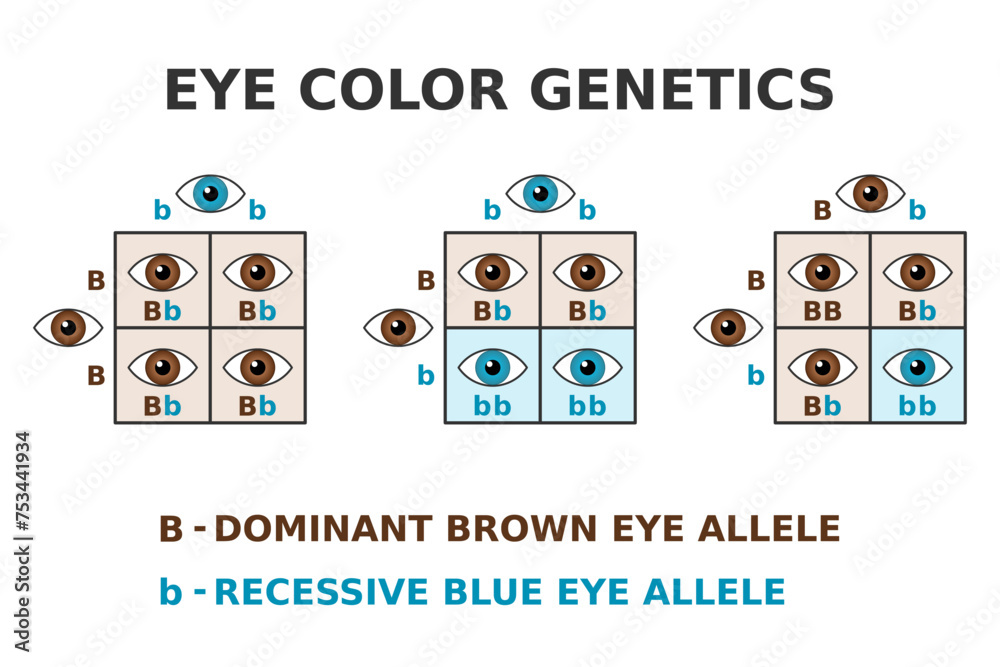 Eye Color Genotype at Lisette Webb blog
So, Are Hazel Eyes Dominant or Recessive?
Alright, alright, let's get back to the question at hand. Are hazel eyes dominant or recessive? Well, the answer is... neither. And both. Hazel is a shade of brown, which is dominant, but hazel itself is recessive. It's like the yin and yang of eye colors - it's all about balance.
But here's the thing, my friend. Whether your eyes are dominant or recessive, they're yours. And that's what makes them amazing. So, the next time you look in the mirror, give your hazel eyes a wink and a smile. They're not just a mix of genes, they're a mix of you.
And who knows? Maybe one day, you'll pass on that recessive hazel eye gene to your kids, and they'll pass it on to their kids, and so on. And maybe, just maybe, hazel will become the new brown. But until then, let's celebrate the uniqueness of our eyes, and the uniqueness of us.
So, go on, give your hazel eyes a little love. They're a part of what makes you, you. And remember, no matter what your eyes look like, they're amazing. Because they're yours.
