Cleveland Clinic Mychart - Google Search

So there I was, mid-afternoon, staring at my phone like it was a magic 8-ball, trying to figure out if I should actually go to the doctor for that weird rash that’s been itchi...

So there I was, mid-afternoon, staring at my phone like it was a magic 8-ball, trying to figure out if I should actually go to the doctor for that weird rash that’s been itching like a cat with a death wish. My partner, bless their soul, suggested I check my Cleveland Clinic MyChart account—because apparently, modern medicine has a way of making even the most stubborn people do things they’d rather avoid. I rolled my eyes (metaphorically, because my face was already in a suspicious squint), but sure enough, there it was: a message from my doctor with a very specific plan for my rash. No more guessing. No more "maybe it’s just allergies." Just a direct, digital nudge to take action.
That’s the kind of convenience Cleveland Clinic MyChart offers—basically, your personal portal to healthcare that doesn’t involve sitting in a waiting room for three hours while someone else’s cold gets passed around like a communal stress ball. If you’ve ever had to call a hospital switchboard at 2 AM to ask if your prescription refill was ready, you know what I’m talking about. MyChart flips that script entirely. It’s like having a doctor in your pocket, minus the white coat and the "good news/bad news" delivery style.
For those who haven’t stumbled upon it yet, Cleveland Clinic MyChart is the digital backbone of Cleveland Clinic’s patient experience. Think of it as the Netflix of healthcare—except instead of binge-watching Stranger Things, you’re binge-watching your lab results, scheduling appointments, and even chatting with your doctor’s team. It’s free, it’s secure, and—unlike some other "innovative" healthcare tools—it actually works without making you feel like you’re talking to a robot.
Must Read
How Did I Even Find This Thing?
Okay, let’s be real: if you’re reading this, you probably found MyChart through a Google search. Maybe you typed something like "Cleveland Clinic MyChart login" after realizing you lost your password (again) or "how to use Cleveland Clinic MyChart" because your doctor mentioned it in passing like it was some kind of secret society. No judgment—we’ve all been there.
The first time I logged in, I was a little overwhelmed. The dashboard looked like it belonged in a sci-fi movie, with all these tabs and buttons and graphs that made me question whether I’d accidentally signed up for a biohacking experiment. But once I got past the "oh no, what if I click the wrong thing?" phase, it became clear: this isn’t just a fancy website. It’s a game-changer for managing your health without turning into a healthcare admin.
What Can You Actually Do With MyChart?
Here’s the thing: MyChart isn’t just for the tech-savvy or the chronically ill. It’s for everyone—whether you’re a parent trying to schedule a pediatrician’s appointment, a busy professional who hates waiting on hold, or someone who just wants to avoid the embarrassment of showing up to a doctor’s visit with no idea why you’re there.
Schedule appointments like a pro. No more playing phone tag with the clinic. You can book, reschedule, or even cancel—all from your couch. And if you’re the type who forgets things (raise your hand), the app sends reminders so you don’t show up to your colonoscopy unprepared.
Access your medical records in seconds. Ever had a doctor ask you for your last blood pressure reading and had to dig through a shoebox of papers? MyChart lets you pull up your entire medical history with a tap. It’s like having a personal health librarian who never complains about being asked the same question twice.
Message your healthcare team without waiting for office hours. Need to ask about a medication side effect at 11 PM? MyChart’s secure messaging lets you chat with your provider’s team—no more frantic texts to your mom asking if she remembers what the doctor said last time.
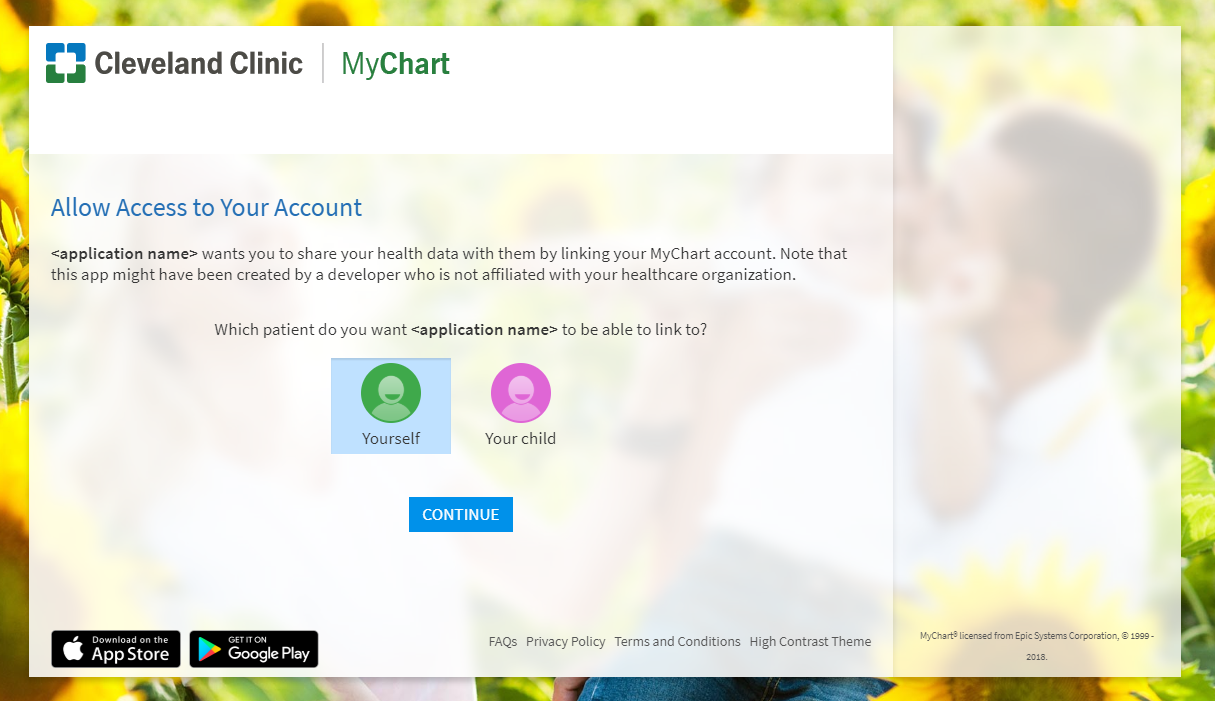 Cleveland Clinic MyChart: Patient Authentication
And let’s not forget the prescription refills. No more standing in line at the pharmacy or hoping the pharmacist remembers to call your doctor. You request refills online, and—if everything’s in order—your meds arrive when you need them. It’s like Amazon Prime for your health, but with fewer fake reviews.
Is It Really That Easy?
If you’re skeptical, I get it. The idea of handing over your personal health data to a digital platform can feel a little like handing your keys to a stranger and hoping they won’t take you for a joyride. But Cleveland Clinic has been around since 1921, and MyChart has been a staple for over a decade. They’ve spent years making sure this thing is secure—like, "hacker-proof your grandma’s Social Security number" secure.
Plus, the whole system is HIPAA-compliant, which means your "I ate a whole pizza last night" text to your doctor won’t end up on some shady medical forum. Your data stays yours, and only the people who need to see it can.
That said, if you’re the type who changes passwords every week and treats their phone like it’s made of glass, you might want to double-check your security settings. But for most people? It’s as safe as it gets.
How Do I Get Started?
If you’re a Cleveland Clinic patient, you’ve probably already received an invitation to create an account. If not, don’t panic—you can still sign up online. Just head to the Cleveland Clinic MyChart website, enter your personal details (the usual suspects: name, date of birth, etc.), and follow the prompts. It’s like signing up for a dating app, but with fewer awkward first dates and more "when’s my next blood pressure check?"
Once you’re in, you’ll need to verify your identity—usually with a code sent to your phone or email. It’s a small hassle, but it’s better than having some random person pretending to be your doctor.
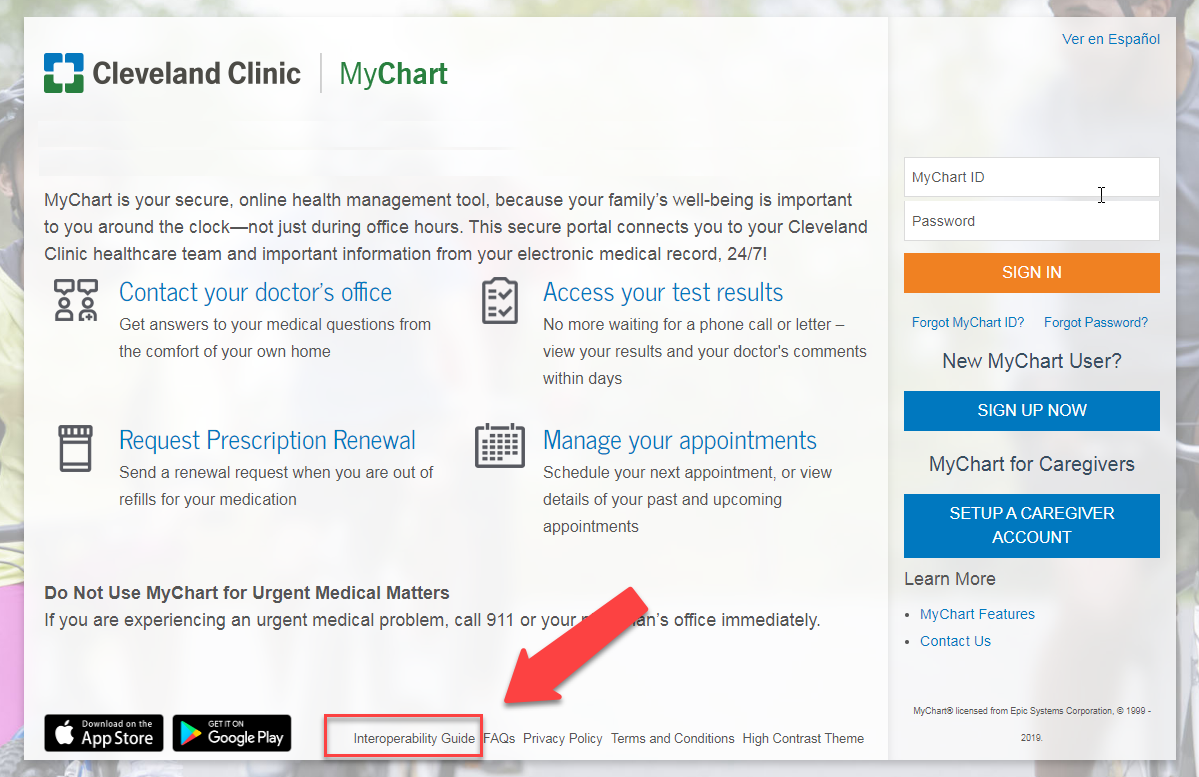 Cleveland Clinic MyChart: Patient Authentication
Pro tip: bookmark the login page so you don’t have to search for it every time. Trust me, your future self will thank you when you’re frantically trying to reschedule an appointment at the last minute.
What If I Hate Tech?
Look, I won’t lie—there’s a learning curve. If you’ve never used a computer beyond opening a Word doc to write a grocery list, MyChart might feel like navigating a foreign language. But here’s the thing: you don’t have to master it all at once.
Start with the basics: logging in, checking messages, and scheduling appointments. Once you’re comfortable, you can explore the rest—like viewing test results or even joining a virtual support group for whatever ails you. It’s like learning to drive: you don’t start with a race car, right?
And if you’re still stuck, Cleveland Clinic’s support team is there to help. They’ve got a help center, live chat, and even phone support for when you’re too confused to type out your question.
The Bottom Line
At the end of the day, Cleveland Clinic MyChart is one of those things that seems obvious once you’ve tried it—but before that? It’s easy to overlook. Like how you don’t think about your phone until it dies, or how you don’t realize you’re breathing until you can’t. It’s just there, making your life easier without you even noticing.
So next time you’re staring at your phone, wondering if you should call the clinic or just deal with the mystery rash, remember: MyChart is your secret weapon. It’s not about replacing doctors—it’s about making the whole healthcare experience a little less frustrating, a little more in control, and a whole lot less like a bad reality TV show.
And who knows? Maybe one day, you’ll even look forward to logging in. (Okay, maybe not that far, but you get the idea.)
