Creating Calculated Field In Pivot Table

Hey there, let's get calculating with Pivot Tables! Ever felt like you're drowning in a sea of data, just wishing you could make sense of it all? Well, my friend, you're in l...
Hey there, let's get calculating with Pivot Tables!
Ever felt like you're drowning in a sea of data, just wishing you could make sense of it all? Well, my friend, you're in luck. Today, we're going to learn about something that's as cool as it is useful - creating calculated fields in Pivot Tables. It's like having a little data magician in your spreadsheet, making complex calculations as easy as pie.
So, what's a Pivot Table, you ask?
A Pivot Table is like a superhero for your data. It takes all that messy, unorganized information and turns it into something you can actually understand and work with. Imagine it's like transforming a chaotic library into a neat, searchable database - that's the power of a Pivot Table!
Now, let's talk about these calculated fields.
Think of calculated fields as your own personal data butler. They're there to do the heavy lifting, making calculations that would otherwise take you hours to do manually. It's like having a tiny, dedicated accountant working tirelessly in your spreadsheet.
Must Read
Here's a fun example. Let's say you're running a lemonade stand (because who doesn't love a good lemonade stand analogy?). You've got your sales data all laid out, but you want to know your profit margin. With a calculated field, you can tell your Pivot Table to subtract your costs from your sales, and voilà! You've got your profit margin right there, without having to do the math yourself.
But how do you create one of these magical fields?
It's actually super simple. Here's a step-by-step guide:
 Excel Pivot Table Calculated Fields: Step-By-Step Tutorial
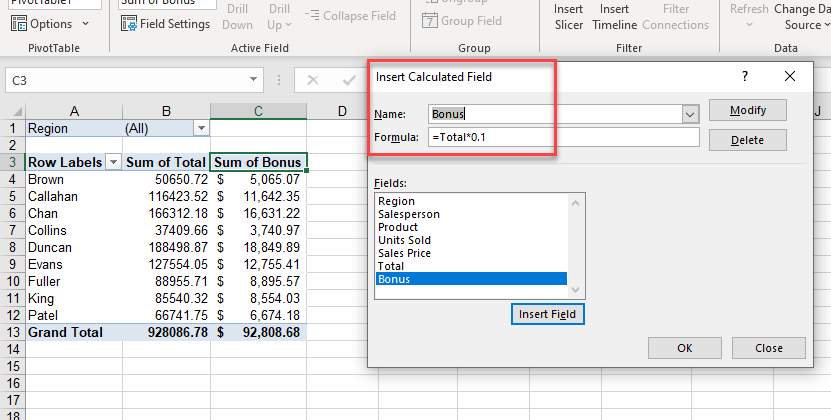
- First, right-click anywhere in your Pivot Table and select "PivotTable Options".
- Then, click on "Calculated Field" and give your new field a name. Let's call it "Profit Margin" for our lemonade stand example.
- Now, in the "Formula" field, type in your calculation. For profit margin, it would be "Sales - Costs".
- Hit "OK" and watch as your Pivot Table works its magic, calculating your profit margin for you.
Isn't that cool? It's like teaching your spreadsheet a new trick. And the best part? You can create as many calculated fields as you want. Want to know your total sales for the year? Create a field for it. Want to see your sales growth? Create a field for that too. The possibilities are endless!
So, why should you care about calculated fields?
Well, for starters, they save you time. Lots of time. Instead of spending hours doing calculations manually, you can let your Pivot Table do the work for you. Plus, they make your data more meaningful. By calculating things like profit margins, sales growth, or average order value, you can gain insights into your data that you might not have seen otherwise.
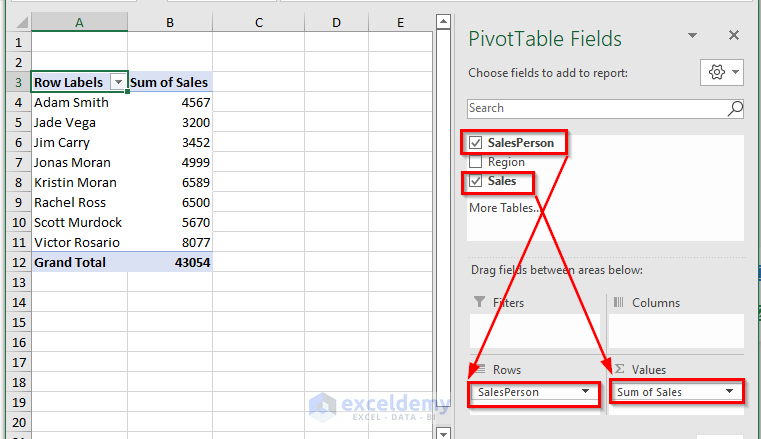 How to Use Calculated Field in Excel Pivot Table (8 Ways) - ExcelDemy
Think of it like this: Calculated fields are like a secret weapon in your data analysis arsenal. They're not something you have to use all the time, but when you need them, they can make all the difference. And the best part? They're easy to use and can be a game-changer for your data analysis.
So, go on, give it a try. Create a calculated field in your Pivot Table and watch as your data comes to life. You might just find that you've got a knack for this data analysis thing after all. Happy calculating!
