Difference Between Micro Usb And Mini Usb

So, there I was, rummaging through my tech drawer, a mess of cables and adapters that's been growing like a digital weed since... well, since I can't remember when. I grab wha...
So, there I was, rummaging through my tech drawer, a mess of cables and adapters that's been growing like a digital weed since... well, since I can't remember when. I grab what I think is my charging cable, plug it into my phone, and... nothing. Zip. Zilch. My phone's like, "Sorry, Charlie. Not the right one."
And that, my friends, is when it hit me. I've got two types of USB cables here, and I've no idea which is which. I mean, they're both USB, right? What's the big deal? Well, let's dive into this techy rabbit hole and find out.
Micro USB vs Mini USB: The Great Debate
Alright, so you've got your Micro USB and your Mini USB. They're both used for charging and data transfer, but they're not interchangeable. Why, you ask? Let's break it down.
Must Read
Size Matters
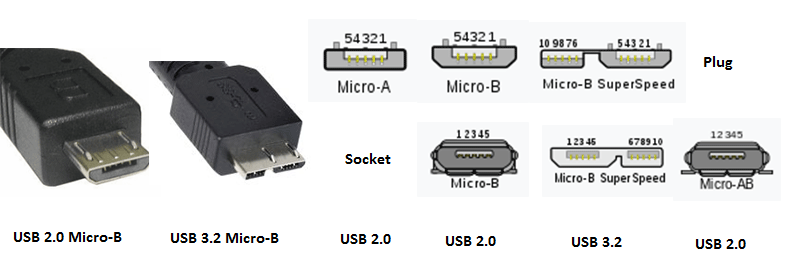
First off, the name's a dead giveaway. Micro USB is smaller than Mini USB. Like, a lot smaller. Micro USB connectors are about half the size of Mini USB ones. This makes them great for smaller devices like smartphones and tablets.
But here's the thing, don't go sticking your Micro USB into your Mini USB port. It'll fit, sure, but it's not designed to, and you could end up damaging both the port and the connector.
Age Isn't Always a Bad Thing
Mini USB, it turns out, is the elder statesman of the two. It was introduced in the early 2000s, while Micro USB came along a decade later. This means that Mini USB has been around long enough to be used in a wide range of devices, from digital cameras to external hard drives.
 What Is the Difference Between Mini USB | WhatCableWorks
But here's where things get interesting. Despite its age, Mini USB is still used in some newer devices. Why? Well, that's a story for another time. Let's just say that sometimes, old tech sticks around longer than we think it should.
Speed: The Great Equalizer
Now, you might be thinking, "Okay, they're different sizes, but do they actually do anything different?" Well, not really. Both types of USB can handle data transfer speeds up to 480 Mbps, which is more than enough for most of us.
There are faster USB standards out there, like USB 3.0 and USB-C, but those are whole other stories. For now, let's just stick with the basics, yeah?
 Mini USB vs Micro USB: The Key Differences - Boomset
So, Which One Do I Need?
That, dear reader, depends on what you're using. If you've got a newer smartphone or tablet, chances are you'll need a Micro USB. But if you're using an older device, like a digital camera or an external hard drive, you might need a Mini USB.
And if you're still not sure? Well, there's always the trial and error method. Just remember, if it doesn't fit, don't force it. You don't want to end up with a broken port or a busted cable.
So, there you have it. The great Micro USB vs Mini USB debate, finally put to rest. Or at least, until the next USB standard comes along and confuses us all over again.
Until next time, folks. Keep your cables straight, and your tech running smooth.
