Do Hexagons Have To Have Equal Sides

Hey there, curious mind! Ever looked at a honeycomb and wondered, "Do hexagons have to have equal sides?" I mean, it's not like we're talking about a square here, right? Squar...

Hey there, curious mind! Ever looked at a honeycomb and wondered, "Do hexagons have to have equal sides?" I mean, it's not like we're talking about a square here, right? Squares are all about equal sides, but hexagons? Let's dive in and find out what makes these six-sided shapes tick.
First things first: What's a hexagon?
A hexagon, my friend, is a polygon with six sides. Simple enough, right? But here's where it gets interesting. Unlike squares or triangles, hexagons don't have to be equal. Confused? Let me explain.
Imagine you're drawing a hexagon. You can start with any side length you want. You can make one side super long, another one short, and the rest can be anything in between. It's like a choose-your-own-adventure book, but for shapes!
Must Read
So, why do we think of hexagons as equal?
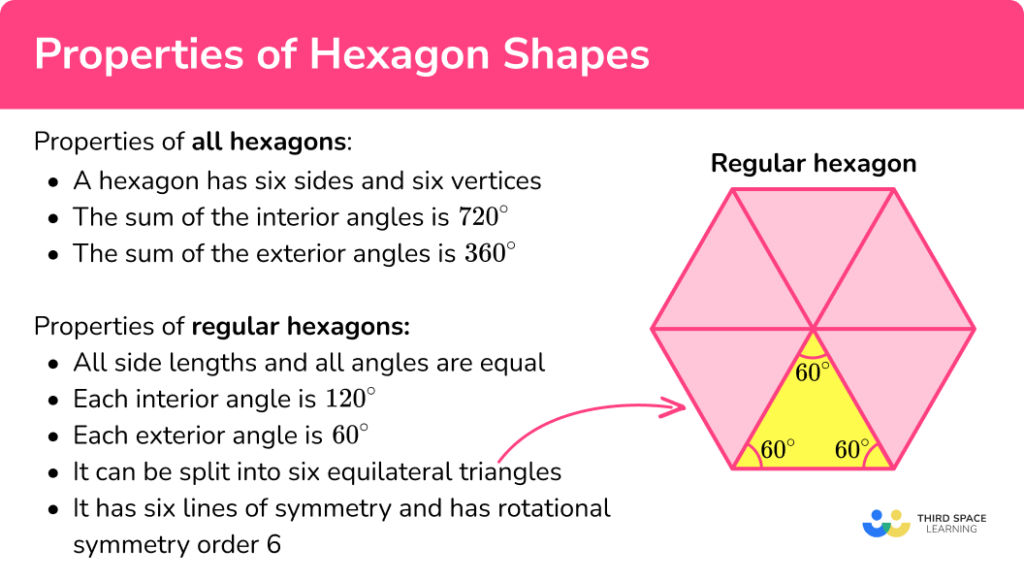
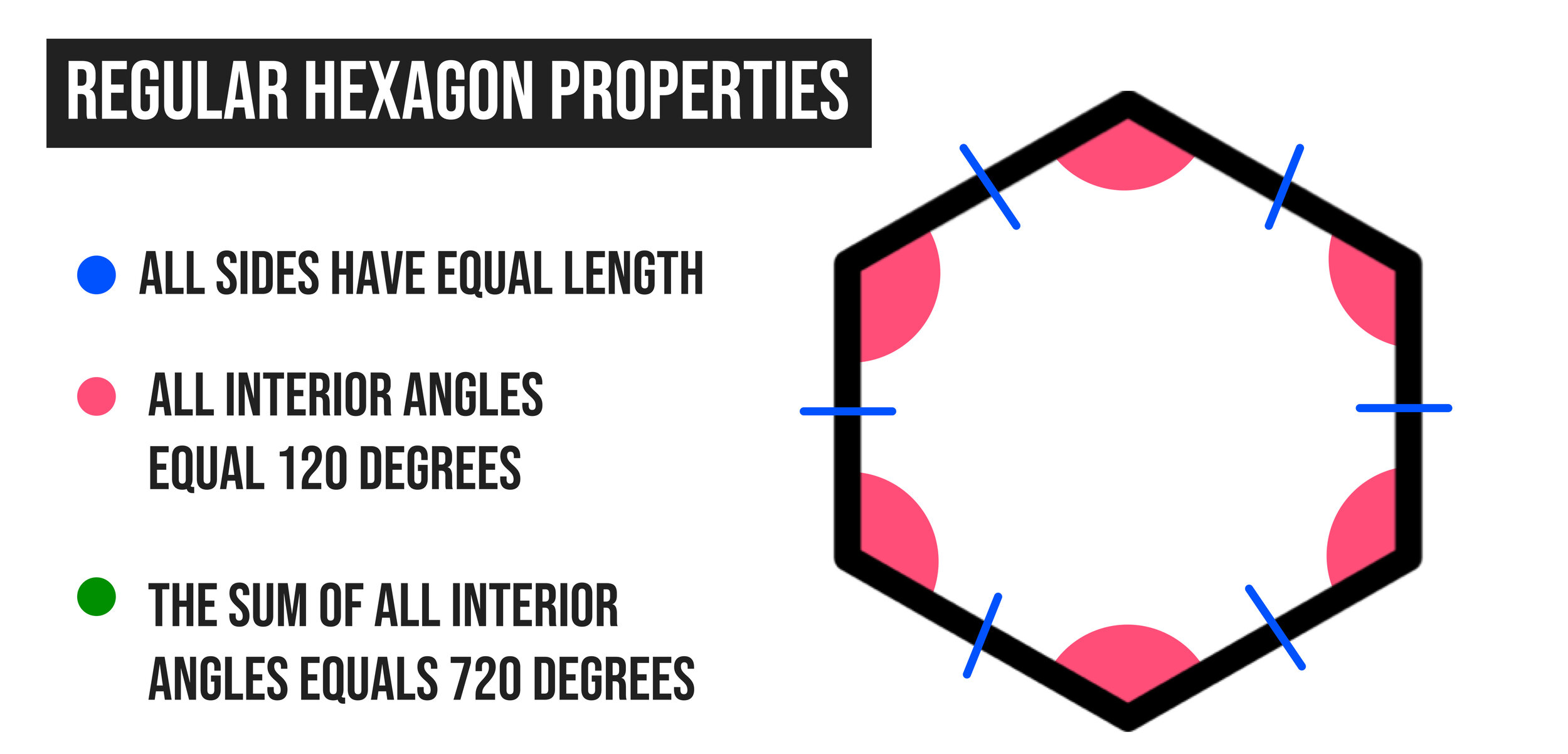
Well, that's probably because of our friend, the regular hexagon. A regular hexagon is what you get when all six sides and all six angles are equal. It's like the 'standard' version of a hexagon. But remember, it's not the only kind!
Think of it like pizzas. You've got your classic, round pizza, right? But you can also get square pizzas, or even hexagonal ones! They're all still pizzas, but they look different. Same goes for hexagons. Regular hexagons are like the classic pizza, but there are plenty of other shapes to choose from.
Now, why does it matter if they're equal or not?
Great question! It turns out, the answer to this can be pretty fascinating. You see, when hexagons aren't equal, they can do some pretty cool things. For instance, they can tessellate, or fit together without any gaps or overlaps, in more ways than you might think.
 Hexagon Shape - GCSE Maths - Steps, Examples & Worksheet
Take a look at a honeycomb again. Those hexagons aren't all the same size, are they? But they fit together perfectly. That's because bees, in their wisdom, have figured out a way to make hexagons that tessellate in a special way. It's like they're playing a real-life game of Tetris!
But what about those equal-sided hexagons?
Ah, the humble regular hexagon. It might not be as flashy as its irregular cousins, but it's got its own unique tricks. For one, it's the only regular polygon (that's a fancy term for a shape with equal sides and angles) that can tessellate on its own. That's right, you can fit regular hexagons together like a jigsaw puzzle without any gaps or overlaps.
And here's where it gets really interesting. Those equal-sided hexagons have some special properties. For example, they're the only regular polygon that's also a regular star polygon. In other words, you can draw a regular hexagon by connecting the points of a regular pentagram (that's a five-pointed star). Try that with a square or a triangle!
 Hexagons Explained! The Complete Guide to Hexagons — Mashup Math
So, do hexagons have to have equal sides?
Well, that depends on what you mean by 'have to.' If you're talking about the rules of geometry, then no, hexagons don't have to have equal sides. But if you're talking about what we usually think of when we hear the word 'hexagon,' then yes, we often think of them as equal.
But remember, that's just one kind of hexagon. There are plenty of others out there, doing all sorts of interesting things. So the next time you see a hexagon, take a closer look. You might just find something unexpected!
And there you have it, folks! The fascinating world of hexagons, where equal sides are just the beginning. Isn't geometry fun?
