Function Of Chloroplasts In Plant Cell

Alright, buddy, let's dive into the plant cell's secret weapon: the chloroplast! You know how plants are like the original solar panel, soaking up the sun's rays? Well, these...

Alright, buddy, let's dive into the plant cell's secret weapon: the chloroplast! You know how plants are like the original solar panel, soaking up the sun's rays? Well, these little guys are the powerhouses making it all happen.
Meet the Sun-Powered Superheroes
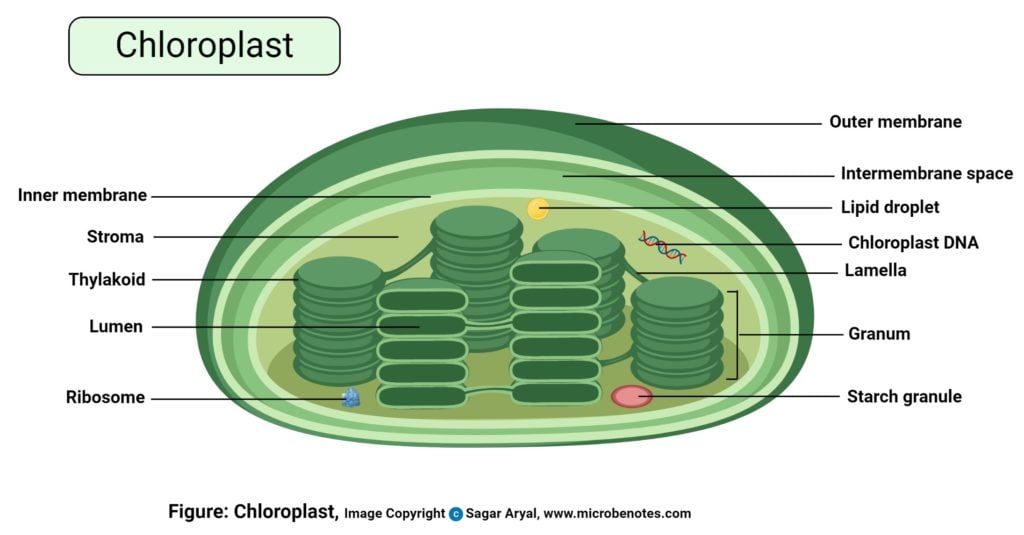
Chloroplasts are like tiny, plant-specific superheroes. They're organelles, which is just a fancy word for 'little organs'. And they're packed with a green pigment called chlorophyll, which gives plants their green hue and helps them harness the sun's energy.
Imagine chlorophyll as a plant's version of a vampire's sun allergy. It's super sensitive to sunlight, and that's what makes it so darn useful!
Must Read
Chloroplasts: The Original Photographers
You know how you take a selfie and the flash goes 'click'? Chloroplasts do something similar, but instead of a flash, they use sunlight to 'click' and create energy.
This process, called photosynthesis, is like a plant's version of a magic trick. It turns sunlight, water, and carbon dioxide into energy-rich glucose and oxygen. Isn't that just the coolest party trick ever?
And get this, buddy: chloroplasts are so efficient, they can even do their magic in the dark! Well, sort of. They can store energy from the sun and use it later when it's dark. Talk about planning ahead!
Chloroplasts: The Green Globetrotters
Now, you might be thinking, 'Chloroplasts sound amazing! But how do they get around in a plant cell?'
 Plant Cell: Structure, Parts, Functions, Labeled Diagram
Well, buddy, they're like the globetrotters of the plant world. They're enclosed in a membrane, which is like their own little travel bubble. And they move around the cell using something called the cytoskeleton, which is like the plant cell's version of a highway system.
And here's a fun fact for you: chloroplasts can even change shape! They can go from round to oval to long and skinny, depending on what the plant needs. Talk about being flexible!
Chloroplasts: The Green Thumb's Best Friend
You know how gardeners always talk about giving plants plenty of sunlight? That's because chloroplasts need all that sun to do their magic. So, the more sunlight a plant gets, the more energy its chloroplasts can create.
And here's where it gets really interesting, buddy. Some plants can even move their leaves to follow the sun throughout the day. It's like they're chasing the sun, just like the famous song! Isn't that just the cutest thing?
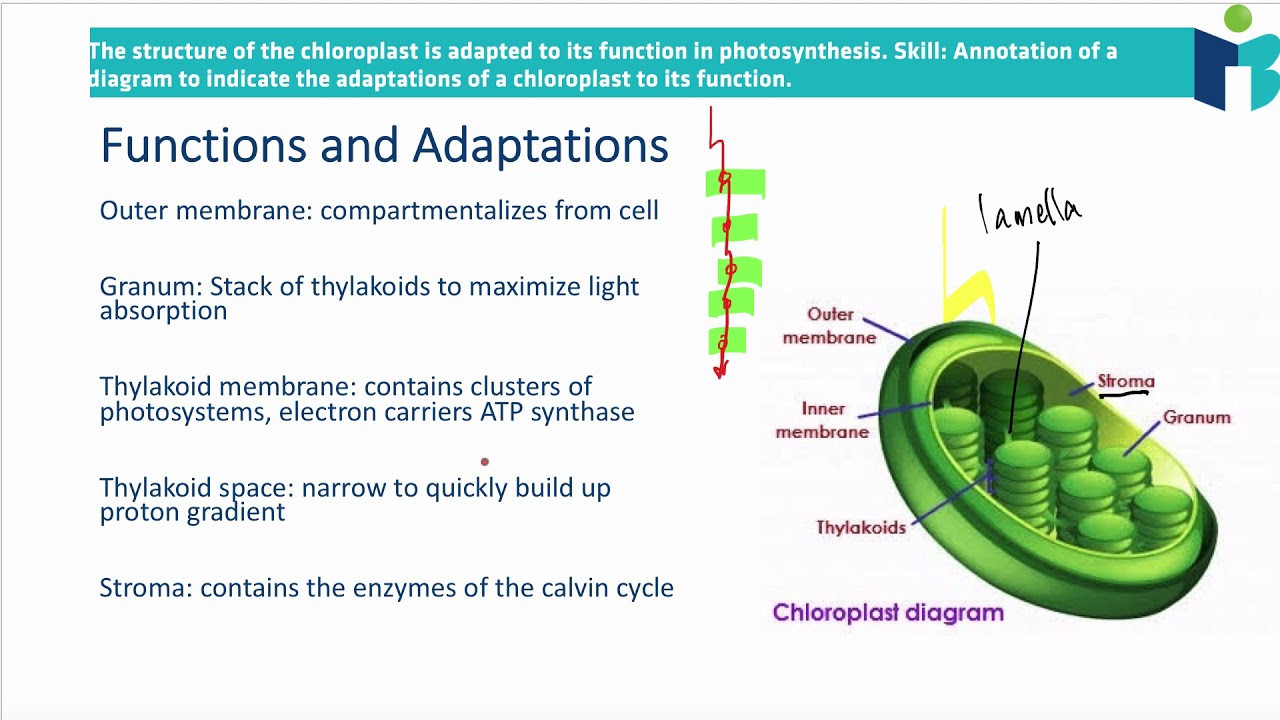 What Are Parts Chloroplast at Phoebe Bateman blog
Chloroplasts: The Plant Cell's Party Animals
Now, you might be wondering, 'What happens when the sun goes down, and the party's over?'
Well, buddy, chloroplasts don't just shut down and go to sleep. They start a whole other party! They use the energy they've stored up to keep the plant going all night long. It's like they're the DJs of the plant cell, keeping the party going 24/7!
And here's a bonus fact for you: some plants can even move their leaves at night to avoid losing too much heat. It's like they're snuggling up under a blanket to keep warm. Isn't that just the sweetest thing?
So there you have it, buddy! Chloroplasts are the plant cell's secret weapons, turning sunlight into energy and keeping the party going all day and all night. They're like the ultimate green thumb's best friend, and now you know all about them too!
