Hot To Send Email To Multiple Recipients

So, you've got a message that's too good to keep to yourself, huh? You want to spread the joy, the news, the meme (hey, no judgment here) to more than just one person. I get i...
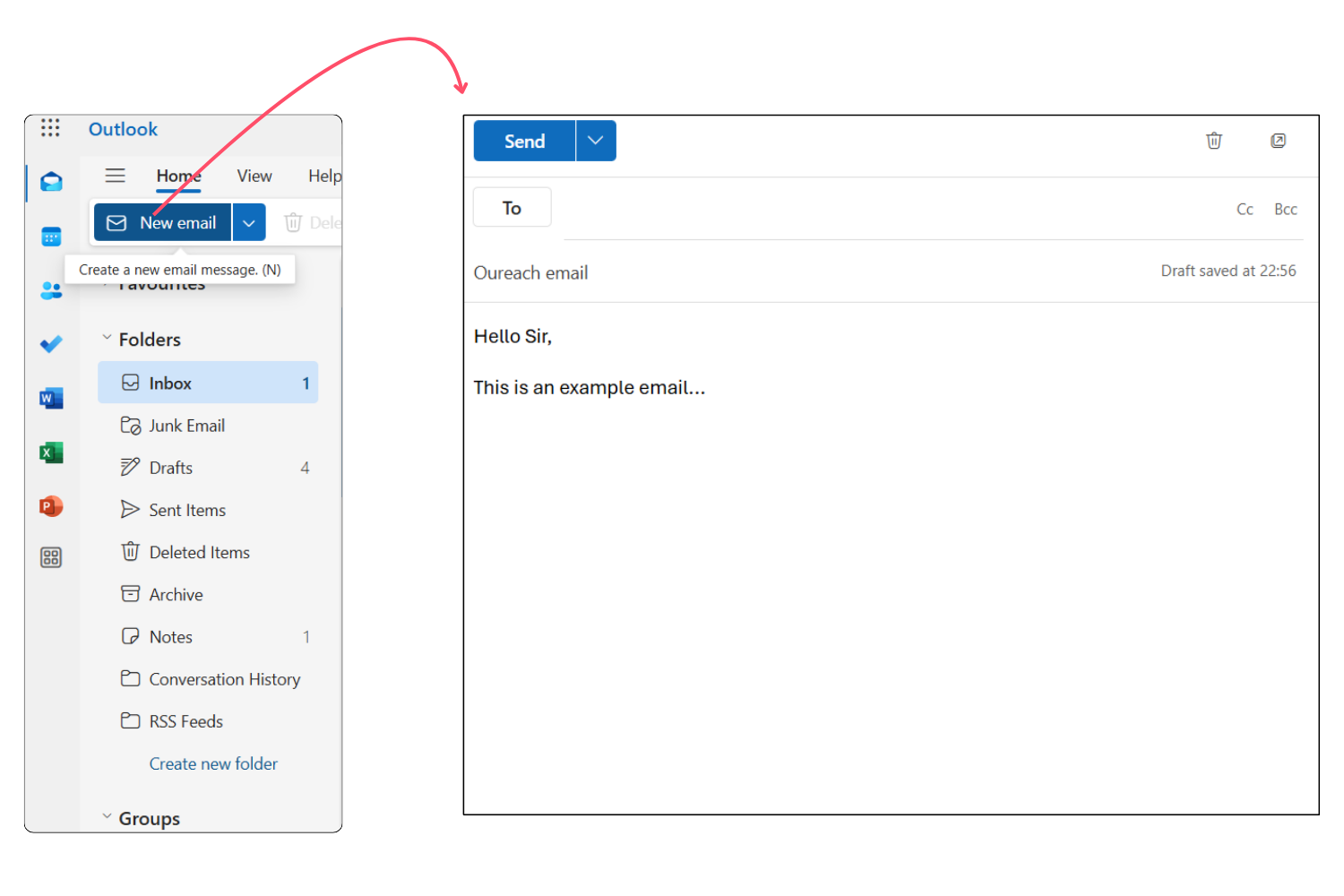
So, you've got a message that's too good to keep to yourself, huh? You want to spread the joy, the news, the meme (hey, no judgment here) to more than just one person. I get it, we've all been there. But how do you send an email to multiple recipients without it turning into a digital group hug gone wrong? Let's dive in, shall we?
Bcc: Your New Best Friend
Alright, let's start with the basics. You've got your To: field, where you'd normally type in your recipient's email. But hold up, what if you don't want everyone to see everyone else's email? That's where the Bcc: (Blind Carbon Copy) comes in. It's like the wallflower at the party, quietly sending out messages without drawing attention to itself.
Here's how you use it: Type in your first recipient in the To: field, then click on Bcc: and add the rest of your gang. They'll all get the email, but they won't see each other's addresses. Isn't that just the neatest little trick?
Must Read
Commas and Semicolons: The Unsung Heroes
Now, you might be thinking, "But what if I've got a whole bunch of people to add?" Well, my friend, that's where our trusty punctuation marks come in. You can separate your email addresses with commas in the To: or Bcc: fields. But here's a pro tip: use semicolons if your email addresses have commas in them. It's a little extra effort, but it'll save you from some serious email drama.
Group Emails: The Good, The Bad, The Ugly
Alright, so you've got your email set up, and you're ready to send. But wait, what if you want to encourage a conversation? That's where the Reply All button comes in. It's great for group discussions, but it can also turn into a digital food fight if not handled with care. So, use it wisely, okay?
 How to Send Email to Multiple Recipients Individually [6 Methods]
And hey, while we're on the subject, let's talk about email etiquette for a sec. No one likes an email chain that's longer than a Tolstoy novel, right? So, keep your responses concise, and if the conversation starts to veer off topic, it might be time to take it to a different platform.
Personalization: Because No One Likes a Form Letter
Now, I know what you're thinking. "But what if I want to send the same email to a bunch of people, but make it feel personal?" Well, my friend, that's where the power of email merge comes in. Most email clients have this feature, and it's a game-changer. You can write one email, and it'll automatically fill in each recipient's name. It's like having a personal assistant, but without the fancy coffee orders.
 How to Send Email to Multiple Recipients Individually
Spam: The Unwanted Guest
Alright, let's talk about the elephant in the room. No one likes spam, and the last thing you want is for your group email to end up in someone's junk folder. So, here are a few tips: Keep your subject line clear and relevant, avoid using all caps (it's like shouting, and no one likes a shouty email), and don't use excessive punctuation. And if you're sending to a big group, it might be a good idea to ask them to add your email to their contacts list to avoid any unwanted misunderstandings.
Test, Test, 1, 2, 3
Before you hit that send button, here's one last tip: Send yourself a test email. It's like a dress rehearsal for your email performance. You can check for any typos, make sure all the links work, and even see how it looks on different devices. It's a small step that can save you from some serious email embarrassment.
And there you have it, folks! You're now officially a group email pro. So go forth, spread your message, and remember: With great email power comes great email responsibility. Happy typing!
