How Do I Find My Septic Tank Cleanout

Ever found yourself in a situation where you're standing in your backyard, hands on hips, squinting at the ground like a human metal detector, trying to locate that pesky sept...
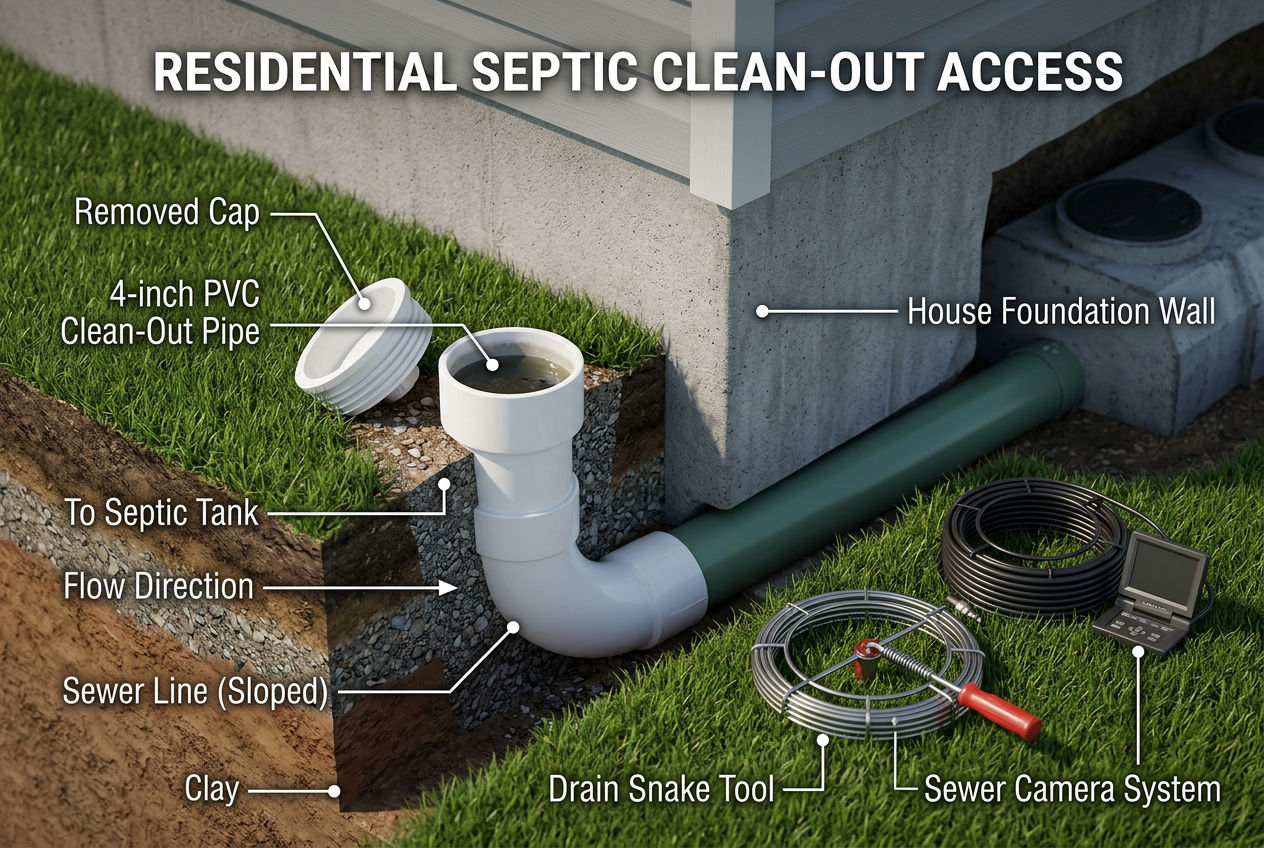
Ever found yourself in a situation where you're standing in your backyard, hands on hips, squinting at the ground like a human metal detector, trying to locate that pesky septic tank cleanout? You're not alone, my friend. It's like searching for the Holy Grail, but with less quests and more... well, waste. Let's dive in and make this adventure a little less mysterious.
Why Bother with the Septic Tank Cleanout?
First things first, why are we even talking about this? Well, your septic tank cleanout is like the gateway to your septic system's health. It's the access point for professionals to pump out the solids (yes, we're talking about sludge), check the system's condition, and keep everything running smoothly. Neglect it, and you might find yourself in a... shall we say, 'stinky' situation.
Think of it like your car's oil change. You wouldn't skip that, would you? No, because you love your car, and you want it to purr like a kitten, not groan like a... well, you get the picture. The same goes for your septic system. A little TLC goes a long way.
Must Read
So, Where's Waldo? I Mean, the Cleanout.
Now that we've established the importance of this humble hero, let's find it. The location of your septic tank cleanout can vary, but here are some common spots:
- Near the house: It might be near the foundation, especially if it's a newer home. Some tanks are even inside the house, usually in the basement or crawlspace. Don't worry, we won't make you check the crawlspace. Probably.
- In the yard: If your tank is buried, there should be a small, visible pipe or a manhole cover marking its location. It's usually near where the sewage pipe leaves the house.
- In the garage: Some older homes have the cleanout in the garage, often near the door that leads to the outside.
If you're still drawing a blank, don't panic. Grab your home's blueprints (if you have them) or give your local health department a call. They might have records of your septic system's location. You can also hire a professional to locate it using special equipment. But hey, where's the fun in that?
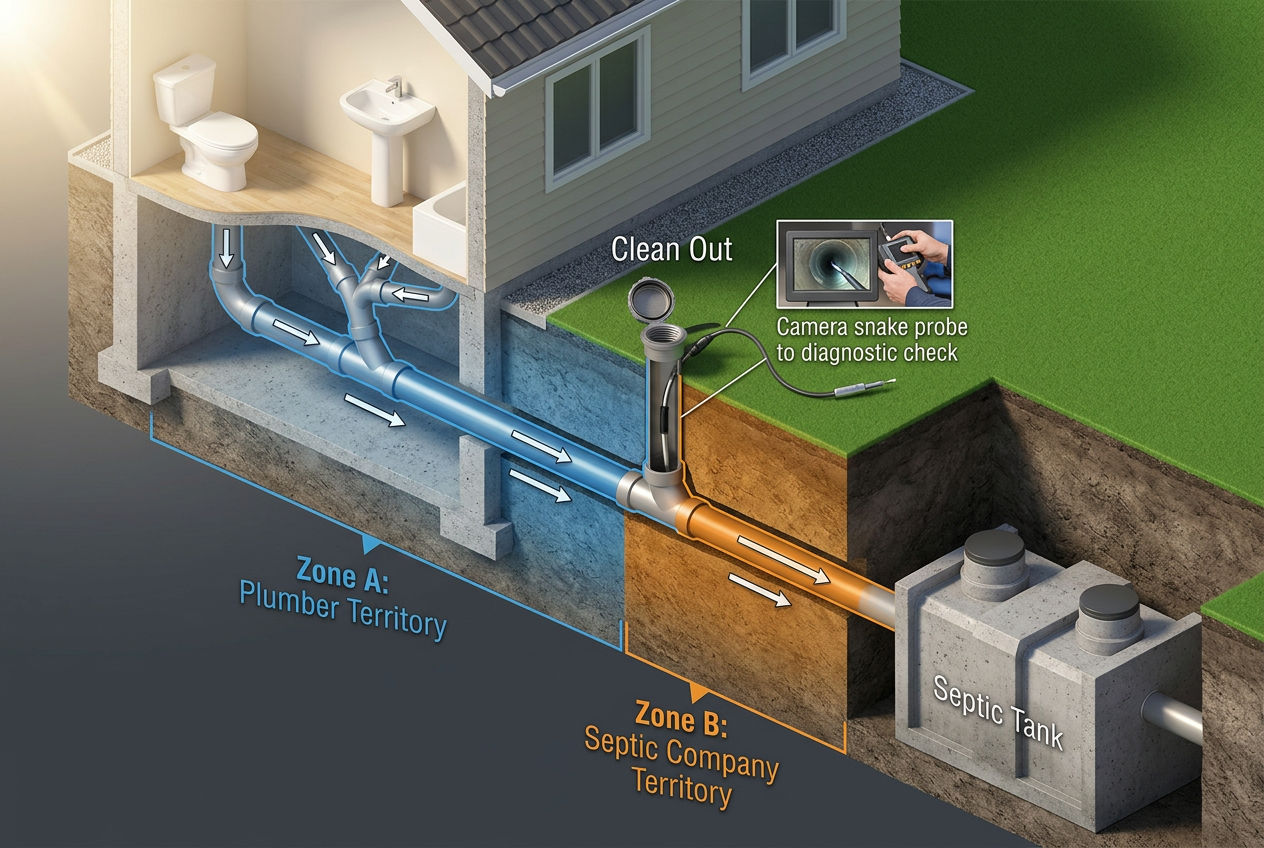 Septic Clean Out: Find & Use It (2026 Guide)
Fun Fact: The First Septic Tank Was Invented in 1860
That's right, folks. The septic tank has been around for over 150 years. It was invented by a guy named Henry D. Rutan, and it was made of wood. Yes, wood. We've come a long way, baby.
Now That You've Found It, What's Next?
Congratulations, you've found the cleanout! Now what? Well, it's time to give it some love. Here's how:
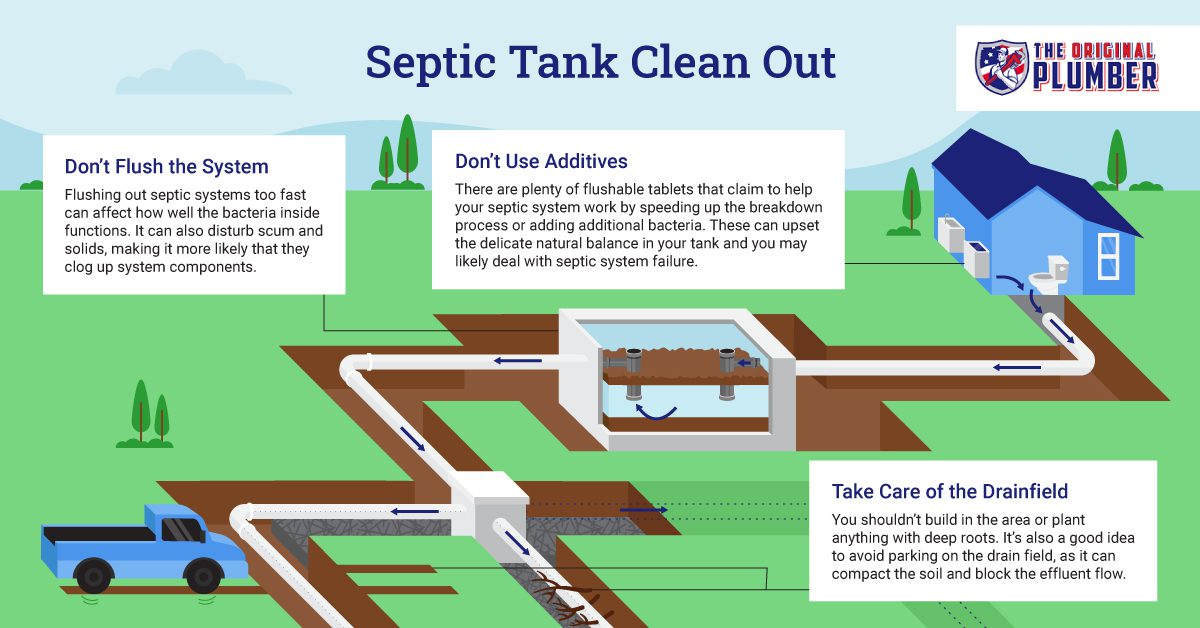 How Does A Septic Tank Work? | The Original Plumber & Septic
- Pump it out: Every 3-5 years, you should hire a professional to pump out the solids. This is not a DIY job, folks. Trust me, you don't want to mess with this one.
- Inspect it: While they're at it, have them inspect the system. They can check for cracks, leaks, and other potential issues.
- Keep it clean: Between pumpings, you can help keep your system healthy by using septic-safe products, not pouring grease down the drain, and not flushing anything but toilet paper.
And there you have it. You're now a septic tank cleanout whisperer. You've found it, you've loved it, and you've kept it healthy. You're like a modern-day septic saint. So, the next time you're in your backyard, look at that cleanout with pride. It's not just a pipe, it's your home's silent hero.
Reflection: The Septic System as a Metaphor for Life
Stick with me here. Your septic system is a lot like life. It's a complex network of parts, all working together to keep things running smoothly. Neglect it, and things get... backed up. But with a little maintenance, a little love, it keeps on trucking. So, the next time you're tempted to ignore that little voice telling you to check your septic system, remember, it's all about balance. And who knows? You might just find a metaphor in there too.
Until next time, stay clean, stay healthy, and happy septic system-ing!
