How Do I Make A Subtraction Formula In Excel

Ever found yourself in a numbers crunch, wishing you could subtract a whole column of data with just a few clicks? Well, my friend, you're in luck! Today, we're going to dive...
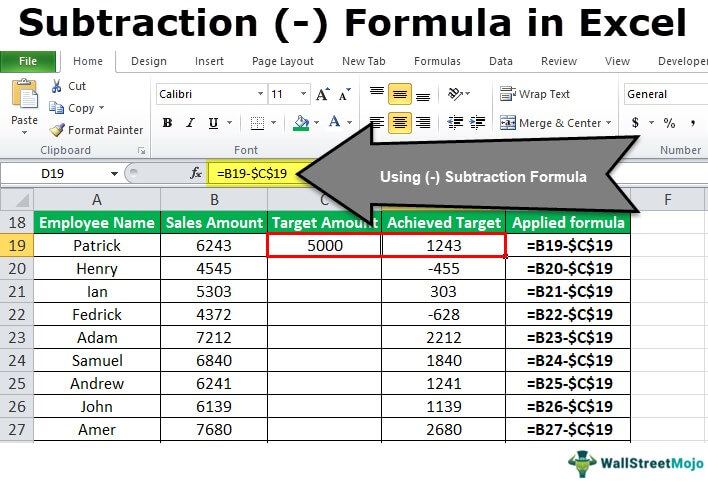
Ever found yourself in a numbers crunch, wishing you could subtract a whole column of data with just a few clicks? Well, my friend, you're in luck! Today, we're going to dive into the wonderful world of Excel and learn how to create a subtraction formula. It's like teaching a calculator to do your math homework, but way cooler.
Why Bother with Formulas?
You might be thinking, "Why not just subtract each number manually? It's not that hard." And you're right, subtracting one number at a time is as easy as pie. But what if you've got a column full of numbers, and you need to subtract the same value from each one? That's where formulas come in. They're like your own personal number-crunching assistant, ready to do the heavy lifting.
Meet the SUBTRACT Function
In Excel, the star of our show is the SUBTRACT function. It's like the math teacher you always wanted - patient, always available, and never judges your mistakes. Here's the basic syntax:
Must Read
SUBTRACT(number1, number2)
Simple, right? You just pop in the two numbers you want to subtract, and SUBTRACT does the rest. But here's where it gets interesting - you can use cell references instead of numbers. This means you can subtract a whole column of data with just one formula. Mind. Blown.
Let's Get Practical
Alright, let's say you've got a column of sales figures, and you want to subtract the tax rate from each one. Here's how you do it:
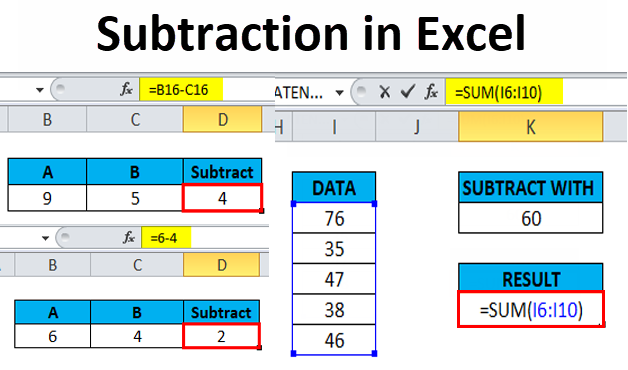 Excel Formula For Subtraction Of Multiple Cells | Detroit Chinatown
- Let's say your sales figures are in column A, starting from A2, and your tax rate is 0.08 (8%).
- In cell B2, type this formula:
=A2-SUBTRACT(0.08). This will subtract the tax rate from the first sale. - Now, hover your mouse over the small square in the bottom-right corner of cell B2. When the cursor turns into a plus sign, click and drag down. This is called 'filling down', and it copies the formula to all the cells below. Excel will subtract the tax rate from each sale in the column.
And there you have it! You've just created your first subtraction formula in Excel. It's like teaching a spreadsheet to subtract, and that, my friend, is pretty darn cool.
But Wait, There's More!
You might be wondering, "What if I want to subtract one column from another?" Well, hold onto your hats, because it's just as easy. Let's say you've got two columns of data, and you want to subtract the second column from the first. Here's how:
In the first cell where you want the result, type this formula: =A1-B1. This will subtract the number in B1 from the number in A1. Then, just fill down like before, and Excel will subtract the second column from the first for the whole range.
Isn't that neat? You're not just subtracting numbers anymore, you're subtracting columns. It's like you've got a whole team of number-crunching assistants, and they're all working for you.
 How to Subtract in Excel? - Shiksha Online
Don't Forget to Check Your Work
Now, I know what you're thinking. "This is all well and good, but how do I know if it's working?" Well, my friend, that's where the F9 key comes in. Pressing F9 recalculates all the formulas in your spreadsheet. It's like giving your number-crunching assistants a quick check-up to make sure they're doing their jobs right.
And if you want to see what's going on behind the scenes, just click on a cell with a formula, and you'll see the formula bar at the top of the screen. This shows you the exact formula Excel is using. It's like looking under the hood of your spreadsheet to see how the engine works.
You're a Formula Pro Now
And there you have it! You've just learned how to create subtraction formulas in Excel. You're not just a user anymore, you're a formula pro. You're teaching your spreadsheet to subtract, and that's a pretty cool superpower to have.
So go forth, my friend, and subtract to your heart's content. And remember, if you ever get stuck, Excel's help function is always there to lend a hand. Happy calculating!
