How Do You Calculate Employee Turnover

Ever felt like you're in a revolving door at work? One minute you're welcoming a shiny new employee, the next, they're waving goodbye, and you're left wondering where the time...

Ever felt like you're in a revolving door at work? One minute you're welcoming a shiny new employee, the next, they're waving goodbye, and you're left wondering where the time went. That, my friend, is employee turnover, and it's more common than you think. Let's dive into this topic like we're grabbing a coffee with an old pal.
What's the Big Deal with Turnover?
Imagine you're at your favorite diner. You order your usual - a massive stack of pancakes. But every time you take a bite, the waitress swoops in and snatches a pancake off your plate. You're still hungry, but you're also confused and a tad annoyed. That's what high employee turnover feels like for a business. It's like they're constantly being robbed of their 'pancakes' - skilled, dedicated employees.
Now, turnover isn't always a bad thing. Sometimes, it's like when you finally decide to swap that old, ratty couch for a new, comfy one. But when it happens too often, it's like you're stuck in a never-ending cycle of buying new couches, and that's where the problem lies.
Must Read
So, How Do You Calculate This Thing?
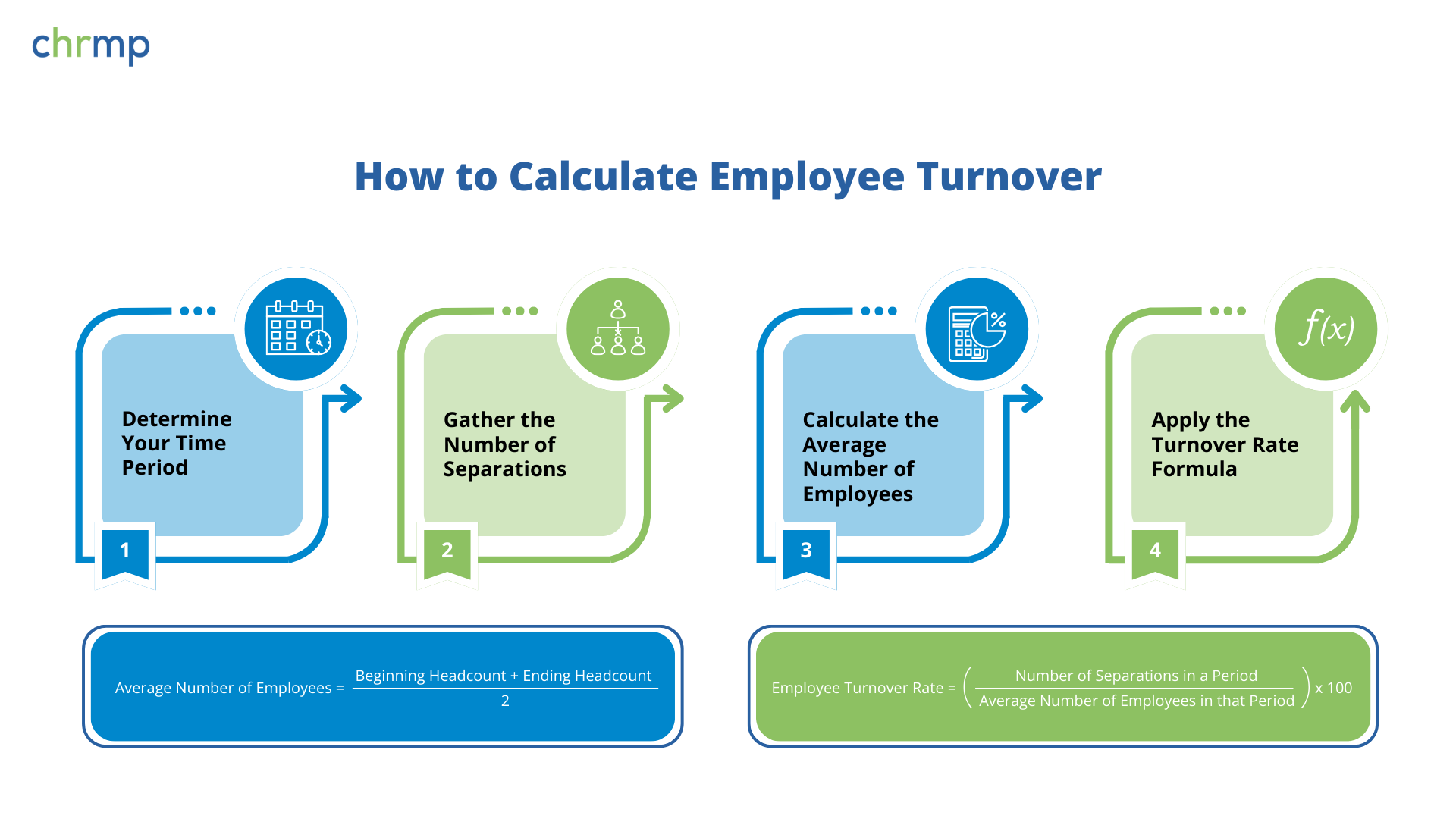
Calculating employee turnover is as simple as counting your pancakes... well, almost. You'll need to know how many employees you started with, how many left, and over what period. Here's a quick formula:
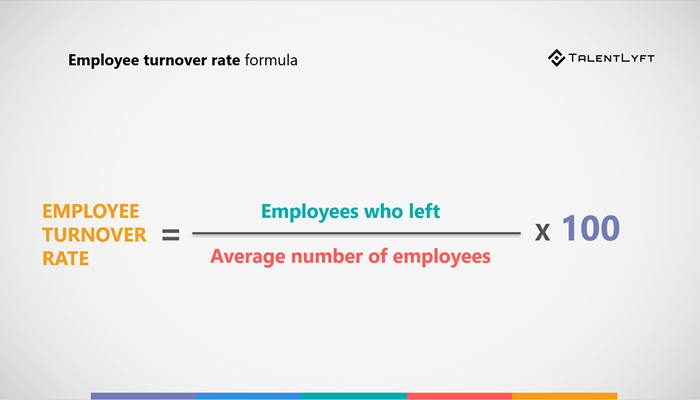
Employee Turnover Rate = (Number of Separations / Average Number of Employees) x 100
 How to Calculate Employee Turnover: A Complete Guide 2025
Let's say you started the year with 100 employees. Over the year, 20 left. Your average number of employees would be (100 + 98) / 2 = 99. So, your turnover rate would be (20 / 99) x 100 ≈ 20.2%.
But Wait, There's More!
You can also calculate turnover rates for specific groups, like a particular department or even new hires. For new hires, the formula is:
New Hire Turnover Rate = (Number of New Hire Separations / Number of New Hires) x 100
 HR Metrics: How and Why to Calculate Employee Turnover Rate?
This can help you figure out if your onboarding process needs some TLC. Maybe those new hires are feeling like they've been thrown into the deep end without a life jacket!
Why Should You Care?
High turnover can be a sign that something's not quite right in your workplace. It could be low pay, lack of growth opportunities, or maybe your office is just a tad too 'energetic' (read: loud). Whatever the reason, high turnover can cost you - a lot. Replacing an employee can cost up to 213% of their annual salary, according to the Center for American Progress.
So, next time you're saying goodbye to an employee, remember that it's not just a goodbye, it's a 'see you later' to your budget, your productivity, and your team's morale. Now, who's ready for some real pancakes?
