How Do You Format A Write Protected Sd Card

Alright, imagine you've got this SD card, right? It's like your trusty sidekick, holding all your precious memories - photos from last summer's beach trip, that hilarious vide...

Alright, imagine you've got this SD card, right? It's like your trusty sidekick, holding all your precious memories - photos from last summer's beach trip, that hilarious video of your cat trying to catch its tail, and even your secret recipe collection (yes, grandma's famous apple pie is in there too!). Now, you wouldn't want little Timmy from next door accidentally formatting it and wiping out your digital treasure trove, would you? That's where write protection comes in, like a bouncer at a fancy club, making sure only the right folks get in.
Understanding Write Protection
So, what's this write protection thingy all about? Well, it's like a magical shield that protects your SD card from being formatted or having its data altered. It's there to keep your files safe and sound, even when they're swapped between devices. Think of it as a built-in security system, making sure your data doesn't go walkabouts without your permission.
Spotting the Write Protection Switch
First things first, you gotta find the write protection switch on your SD card. It's usually a tiny slider or a switch on the side, looking something like a miniature light switch. If it's on, your card is protected, and if it's off, well, it's fair game for formatting. It's like having a secret password to your data's fortress.
Must Read
Now, some cards might not have a physical switch. Don't worry, they've got a digital one instead. You'll need to use a computer to unlock or lock the write protection. It's like having a secret handshake with your tech, but don't worry, we'll get to that later.
Locking Down Your SD Card
Alright, so you've found the switch. Now, let's lock that baby down. To write protect your SD card, just slide that switch to the 'lock' position. It's usually marked with a little lock icon or the word 'LOCK'. Once it's locked, your card is now Fort Knox, and no device can format it or mess with your data.
 How To Format an SD Card Using Windows
But hey, what if you want to add more photos or videos to your card? No worries, just slide that switch back to the 'unlock' position. Now your card is open for business, but remember to lock it back up once you're done. It's like having a safe at home - you only leave it open when you're adding or removing stuff, then you lock it back up to keep your valuables safe.
Write Protection on Your Computer
Now, let's talk about those SD cards without a physical switch. To write protect these, you'll need to use your computer. First, insert your SD card into your card reader, then open it up in your file explorer. Look for a little icon that says 'Write Protection' or 'Lock'. Click on it, and voila! Your card is now protected.
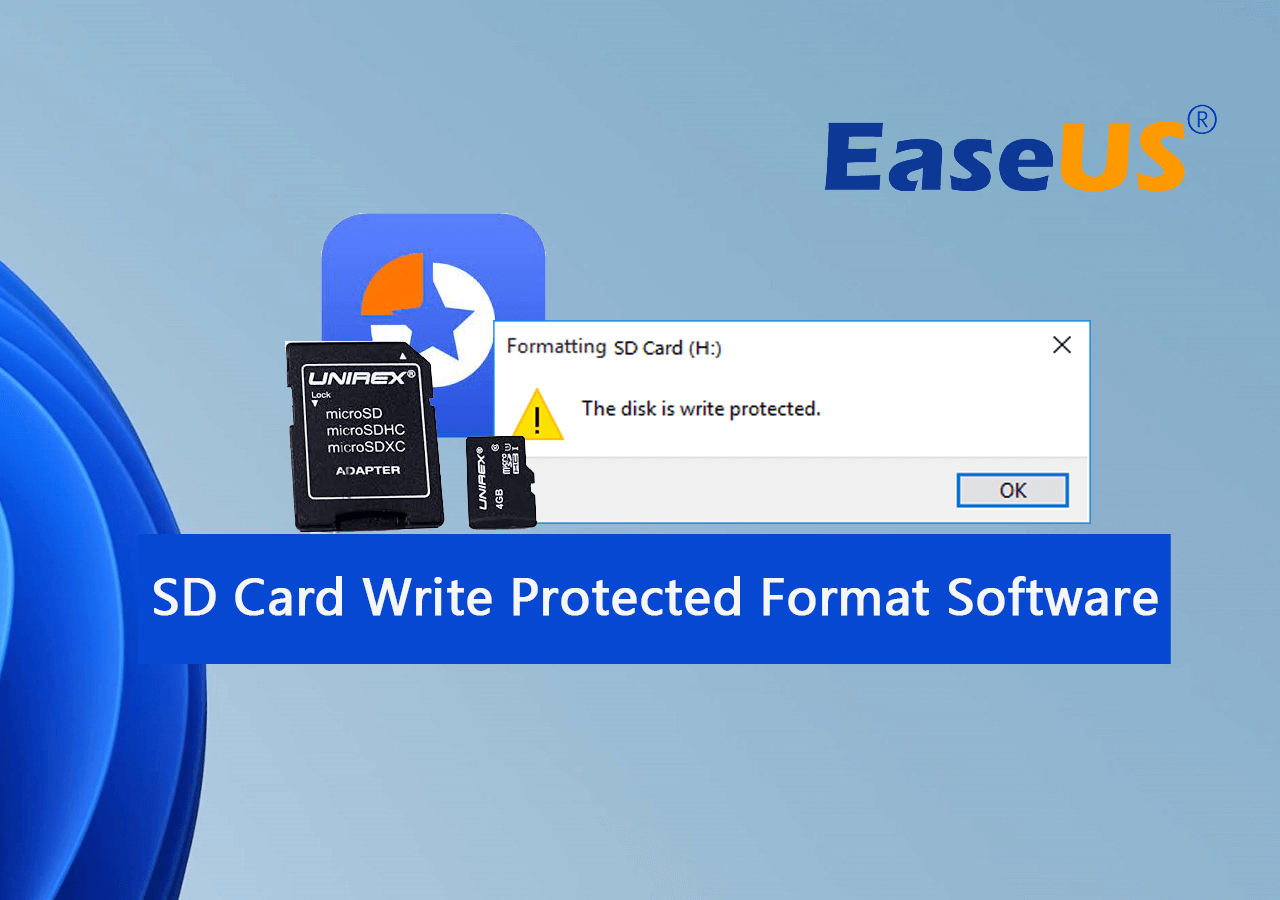 How Do I Format BYJU's SD Card in Windows [Step-by-Step Guide] - EaseUS
But what if you want to unlock it? No problem. Just right-click on the SD card in your file explorer, select 'Properties', then go to the 'General' tab. You should see an option to remove the write protection. Click that, and your card is now ready for business.
When Write Protection Goes Awry
Alright, so you've locked down your SD card, but now you can't access your files. Don't panic! It's probably just a little glitch. Here's what you do:
- First, try restarting your device. Sometimes, a simple reboot can fix the issue.
- If that doesn't work, try using a different card reader or USB port. Sometimes, the problem is with the hardware, not the card.
- If all else fails, try reformatting your SD card using a computer. But remember, this will erase all your data, so make sure you've backed up anything important first.
And there you have it, folks! You're now a write protection pro. So go forth, protect your data, and keep those precious memories safe. And remember, like a good bouncer, write protection might seem strict, but it's only there to keep the bad guys out. So, stay safe, and happy snapping!
