How Do You Test For Lead Based Paint

So, You've Got a Hunch Your House is Lead-ing You On? Alright, gather 'round, folks. Let's talk about something that's not as fun as a game of hide and seek, but it's just as...

So, You've Got a Hunch Your House is Lead-ing You On?
Alright, gather 'round, folks. Let's talk about something that's not as fun as a game of hide and seek, but it's just as important - lead-based paint. Now, I know what you're thinking, "Why on Earth would anyone want to test for something that sounds like a heavy metal band?" Well, buckle up, because we're about to dive into a world of surprise tests, unexpected results, and more laughs than a stand-up special.
First Things First: Why Should You Care About Lead?
Lead, my friends, is not your average party guest. It's the life of the party that turns out to be a real downer. It can cause all sorts of health issues, from headaches to brain damage. And it's particularly nasty for kids, who are more likely to put their little hands in their mouths and... well, you get the picture. So, it's crucial to know if your home is harboring this unwanted houseguest.
But don't worry, we're not going to turn this into a scary story. We're here to laugh, learn, and maybe even pick up a few tips on how to test for lead-based paint. After all, who needs a boring old detective when you can be a lead detective?
Must Read
When Did Lead Paint Become a Thing of the Past?
Alright, history lesson time. Lead paint was the cat's pajamas back in the day. It was used like crazy until the 1970s because it made paint super durable and vibrant. But then, someone realized that it was also making people sick, and the party was over. In 1978, the U.S. government banned lead-based paint for residential use. But here's the thing - if your home was built before 1978, there's a good chance it's still lurking in the walls, like that one cousin who never leaves after Thanksgiving dinner.
Now, Let's Get to the Nitty-Gritty: How to Test for Lead-Based Paint
Option 1: The DIY Kit
Alright, DIY enthusiasts, listen up. You can buy a lead test kit at your local hardware store. These kits are about as complicated as setting up a new TV - which, let's be honest, can still be a challenge. You'll be swabbing paint samples and dipping them into a solution. If the swab turns red, you've got lead. Easy peasy, right?
But here's the thing - these kits only test for lead in the paint itself, not in the dust that might be lurking around. So, you might want to consider a professional test if you're really serious about finding out if your home is a lead magnet.
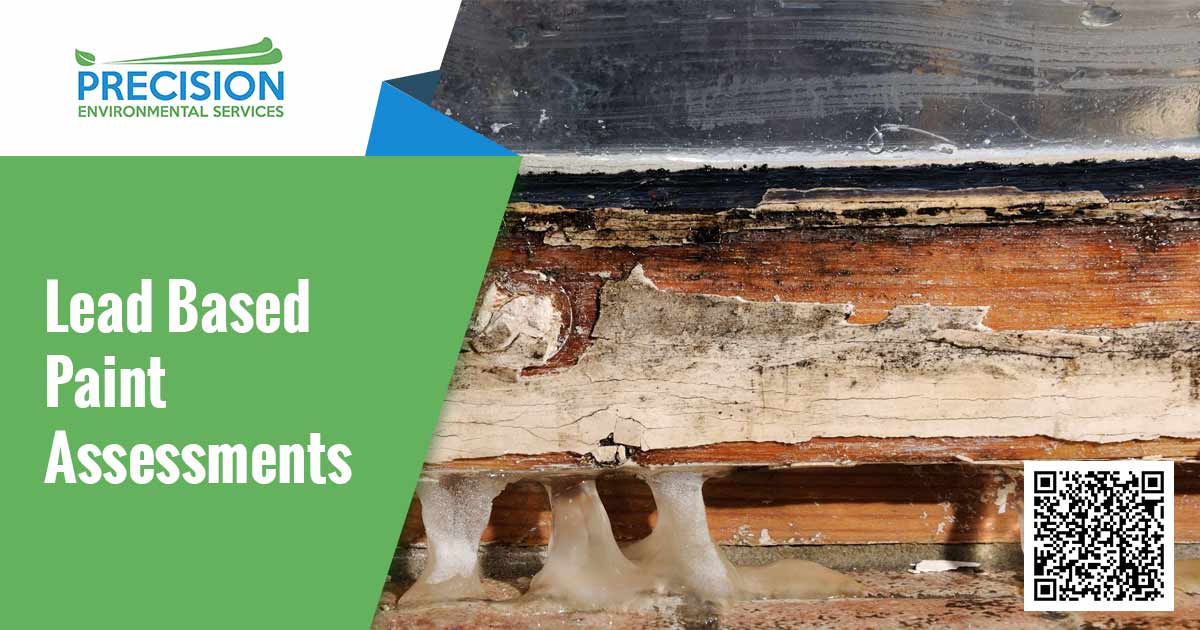 How To Tell If Wood Has Lead Paint at Quyen Elliott blog
Option 2: The Professional Test
Now, if you're feeling fancy and want to leave the heavy lifting to the pros, you can hire a certified lead inspector. These folks are like the FBI of lead detection - they've got all the fancy gadgets and know-how to find lead where you least expect it. They'll use an XRF (X-ray fluorescence) machine, which sounds like something out of a sci-fi movie, but it's just a fancy way of saying it can detect lead without damaging your walls.
But here's the catch - these tests can cost anywhere from $200 to $1,000, depending on how big your home is. So, you might want to save this option for when you've got a serious case of lead paranoia.
Option 3: The Home Inspection
If you're buying a new home, the seller is required by law to give you a lead-based paint disclosure. But here's the thing - this disclosure is only as good as the information the seller has. So, if you're really serious about knowing if your new home is lead-free, you might want to ask for a professional test as part of the home inspection.
And hey, while you're at it, you can ask the inspector to check for other fun things like mold, asbestos, and that one loose nail in the floorboard that's been driving you crazy.
 How To Get Your Paint Tested For Lead at Ella Hogarth blog
What Happens When You Find Lead-Based Paint?
Alright, so you've tested your home and found out it's got more lead than a heavy metal concert. Don't panic! There are ways to deal with this. The most important thing is to keep your home's lead levels as low as possible. This means regular cleaning, fixing any damaged paint, and making sure your kids don't turn your home into their own personal daycare center.
If the lead levels are high, you might need to hire a professional to remove or encapsulate the paint. This is not a DIY job, folks. Lead paint is dangerous, and you don't want to turn your home into a lead-filled dust bowl.
And That, My Friends, is How You Test for Lead-Based Paint
So there you have it - the not-so-glamorous world of lead detection. But remember, knowledge is power. The more you know about your home, the better you can protect your family. And who knows? You might even have a few laughs along the way.
Now, if you'll excuse me, I've got a date with a can of paint and a lead test kit. Wish me luck - I've got a feeling my walls are about to tell some interesting stories.
