How Do You Unprotect A Cell In Excel

Ever locked yourself out of your own spreadsheet like you’ve forgotten the password to your favorite playlist? We’ve all been there. Excel’s "protect sheet" feature is like th...
Ever locked yourself out of your own spreadsheet like you’ve forgotten the password to your favorite playlist? We’ve all been there. Excel’s "protect sheet" feature is like that one friend who’s slightly overprotective—you know they mean well, but sometimes you just need to break free. Unlocking a cell in Excel isn’t rocket science, but it’s got that satisfying "aha!" moment when you finally crack the code. Let’s make it easier than untangling a headphone cord.
Step 1: Find the Locked Cell
First things first: locate the cell you want to free. If you’re staring at a spreadsheet like it’s a Rorschach test, try pressing Ctrl + F (or Cmd + F on Mac) and type in a keyword or number. Think of it like searching for your keys—except instead of under the couch, your cell might be hiding in column Z, row 47.
Pro tip: If the sheet is fully locked, you’ll see a tiny padlock icon in the top-left corner of the cell. It’s like a tiny digital "do not disturb" sign. Ignore it for now—we’re here to smash it.
Must Read
Step 2: Unlock the Sheet Itself
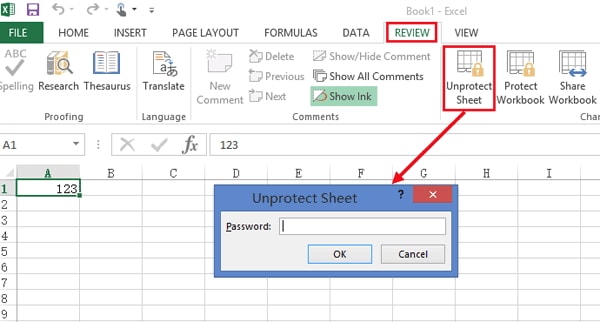
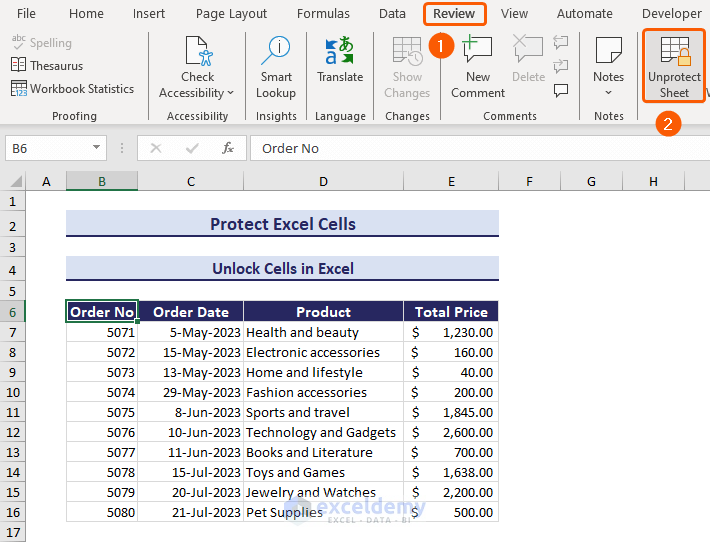
Before you can unlock a single cell, you’ve got to unlock the whole sheet. Head to the Review tab (yes, like the movie, but way less dramatic). Click Unprotect Sheet—but wait! A pop-up will ask for the password. If you didn’t set one, leave it blank and hit OK. If you did set one? Well, that’s a whole other story—maybe start a new spreadsheet instead.
Fun fact: Excel’s password protection isn’t foolproof. It’s like a bouncer at a club who only checks IDs on Fridays. If someone’s determined, they can crack it. But for 99% of us? A blank password works like a charm.
Step 3: Unlock the Cell (The Magic Part)
Now that the sheet is unlocked, right-click the cell you want to free. In the dropdown menu, hover over Format Cells—it’s like choosing a new outfit for your cell. Click it, and a window will pop up with a tab called Protection. Uncheck the box that says Locked. Boom. Your cell is now as free as a bird… or at least as free as a cell in Excel.
If you’re feeling fancy, you can also set the cell to Hidden here. It’s like giving your cell a secret identity—useful if you’re hiding formulas from prying eyes (or your future self).
 How to unlock cells in Excel - our guide to unlocking columns and rows
Step 4: Re-Protect (Because Chaos Has a Way of Creeping In)
Once you’ve unlocked your cell, go back to the Review tab and click Protect Sheet. Set a password (or leave it blank if you’re feeling reckless) and choose which cells or ranges you want to lock again. Think of this like putting a "do not disturb" sign on your desk—except now it’s digital.
Pro move: If you’re working with a team, consider leaving some cells unlocked for collaboration. It’s like sharing a playlist—some tracks are yours, some are everyone’s.
Why Lock Cells in the First Place?
Locking cells is like putting a "keep out" sign on your favorite snack stash. It’s a way to protect important formulas, headers, or data from accidental (or intentional) changes. Ever typed over a crucial number in a budget sheet? Yeah, we’ve all been there. Locking cells is your spreadsheet’s way of saying, "Hey, this one’s sacred."
Cultural reference alert: It’s like the "read-only" mode on a library book—respect the system, or risk getting booted out of the spreadsheet club.
 How to Protect Cells in Excel (All You Need to Know) - ExcelDemy
Common Mistakes (And How to Avoid Them)
Mistake #1: Forgetting to unlock the sheet first. It’s like trying to open a jar with the lid still locked—frustrating and unnecessary. Always start with the sheet, then drill down to the cell.
Mistake #2: Not saving your changes. Excel is like a dream—if you don’t save it, it’s gone. Hit Ctrl + S (or Cmd + S) every few minutes, or your progress might vanish like a misplaced charger.
A Little Reflection: Why This Matters
Unlocking a cell in Excel is a tiny metaphor for life. Sometimes, we’re locked into routines, fears, or even our own spreadsheets of expectations. But just like freeing a cell, we can make small changes—uncheck the boxes that no longer serve us, protect what matters, and let the rest breathe.
Next time you’re stuck, remember: every spreadsheet has a way out. And if all else fails, just start fresh. That’s what the Ctrl + N key is for.
