How Fast Do Ballistic Missiles Travel

Imagine you’re at a baseball game, and the pitcher just unleashed a 95-mph fastball—that’s like a bullet flying toward home plate. Now, imagine if that same ball had a jet eng...

Imagine you’re at a baseball game, and the pitcher just unleashed a 95-mph fastball—that’s like a bullet flying toward home plate. Now, imagine if that same ball had a jet engine strapped to it, a GPS, and a mind of its own. That’s basically what a ballistic missile is like, but instead of a home run, it’s got a whole lot more oomph—and way less fun.
Ballistic missiles are the speed demons of the military world, and their top speeds can make even the fastest jet look like it’s stuck in traffic. So, how fast are we talking? Let’s break it down in a way that won’t make your brain hurt (or your eyes glaze over).
First Stop: The Launch—Where It All Begins
When a ballistic missile blasts off, it’s like when you finally hit send on that group chat message you’ve been meaning to delete for weeks—except this thing is not going to your cousin’s memes. The initial launch phase is where the missile gets its first burst of speed, shooting skyward like a rocket-powered soda bottle.
Must Read
During this phase, the missile is still climbing, and it’s not yet at its top speed. Think of it like when you’re driving up a steep hill—you’re going slower at the bottom, but once you crest the hill, you’re finally going fast. Ballistic missiles do the same thing, but with way more explosive power and zero brakes.
Why Does It Matter?
Here’s the thing: the faster a missile can get into the air, the harder it is to shoot down. It’s like trying to catch a baseball thrown by a pitcher who’s also running a marathon—good luck! Early speed means less time for defenses to react, which is why missile designers spend more time calculating trajectories than most people spend deciding what to eat for lunch.
Cruising Altitude: The Middle of Nowhere
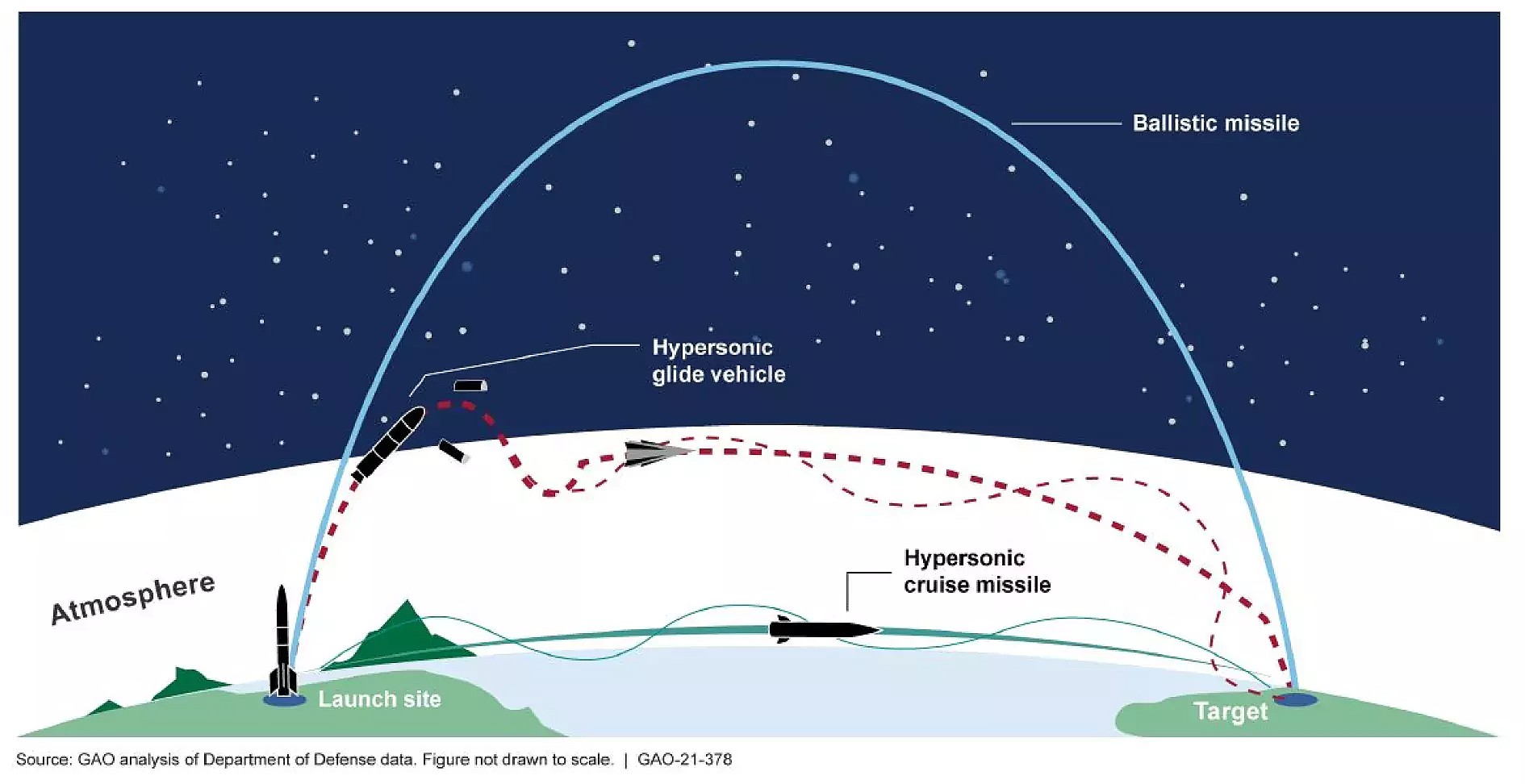
Once the missile reaches its peak altitude, it’s time for the real speed show. This is where things get wild. At this stage, the missile is essentially falling toward its target, but not like your keys falling out of your pocket—this thing is diving at Mach 20, which is about 15,700 miles per hour. For context, that’s like driving from New York to Los Angeles in 12 minutes.
To put that into perspective, the fastest passenger jet, the Concorde, could only hit about Mach 2.2. So while you were sipping your champagne on a transatlantic flight, this missile was already halfway to its destination and probably had time to grab a snack.
Why Should You Care?
Speed isn’t just about bragging rights—it’s about reach. A missile that travels faster and higher can cover massive distances in record time. Imagine if your Uber driver could zip across continents in under an hour. That’s the kind of efficiency (and terror) we’re talking about here. Countries invest billions in these things because, let’s be honest, in the world of defense, time is everything.
 US military test launches 2 unarmed intercontinental ballistic missiles
Plus, the faster a missile is, the harder it is to intercept. It’s like trying to dodge a bullet fired from a gun—if the bullet is already moving at half the speed of sound, your reflexes better be on Olympic-level form.
The Re-Entry: Where It Gets Really Scary
Now, here’s where things get a little intense. After cruising at hypersonic speeds, the missile starts its descent toward its target. This is called re-entry, and it’s like throwing a rock into a lake—except the rock is a 1,000-pound warhead, and the lake is a city you’d rather not hit.
During re-entry, the missile heats up to thousands of degrees—hot enough to melt steel. It’s like trying to survive a trip through the sun’s atmosphere, but with less glamour and more explosions. The good news? Modern missiles are built to handle this, but the bad news is that if you’re in the wrong place when it happens, you’re definitely in the wrong place.
Why Does This Matter to You?
Even if you’re not a defense expert, understanding how fast these things move helps you grasp why geopolitics can feel like a high-stakes game of chess. Countries with these missiles have a lot of power—like having a cheat code in a game where everyone else is still stuck on level one. It’s why tensions can escalate so quickly: because when you’ve got something that can reach a target in minutes, every second counts.
Think of it like this: if your Wi-Fi router suddenly had the ability to teleport your data to the other side of the world in seconds, you’d probably pay attention when someone mentioned it. Ballistic missiles are the Wi-Fi routers of war—fast, powerful, and capable of changing the game in an instant.
Real-World Examples: When Speed Becomes a Big Deal
Let’s talk about some real-life examples to make this less abstract. The Minuteman III missile, used by the U.S., can travel 15,000 miles per hour and hit targets within 30 minutes of launch. That’s faster than a commercial airliner and about the same speed as a bullet fired from a high-powered rifle—but with a lot more destructive potential.
 Why China could win the new global arms race - BBC News
Then there’s the DF-41, China’s latest and greatest, which can carry multiple warheads and hit targets 7,500 miles away in under an hour. It’s like having a global delivery service for very bad news. Both sides in a conflict would rather not have to deal with something that can turn a peaceful morning into a nightmare in minutes.
So, Why Should You Care?
Here’s the thing: even if you’re not a military strategist or a politician, the speed and reach of ballistic missiles affect everyone. They influence diplomacy, alliances, and even economies. Countries spend billions to develop these technologies because they’re not just about power—they’re about deterrence. It’s like having a giant, very scary bodyguard who can show up at your doorstep in a flash if things go south.
And let’s not forget the human element. When missiles are involved, people panic. They evacuate cities, scramble air defenses, and hope for the best. The faster the missile, the less time there is to react—and that’s a terrifying thought for anyone living near potential conflict zones.
The Bigger Picture: Why This Matters in Everyday Life
At the end of the day, ballistic missiles are a reminder that the world is way bigger—and way more complicated—than it seems. They’re not just cold, hard numbers on a page; they’re real-world tools that shape how countries interact, trade, and even communicate.
So next time you’re scrolling through your phone or watching the news, remember: somewhere out there, someone is probably calculating trajectories, testing speeds, and making sure their missiles are faster, smarter, and scarier than the last batch. And while you’re not likely to see one in action (let’s hope not!), understanding how they work helps you see why geopolitics isn’t just a boring topic—it’s a high-stakes game with real consequences.
Now, go enjoy your day. And maybe double-check that Wi-Fi connection—you never know when you’ll need it to be instant.
