How Many Layers Does The Earth Have

So, you've been wondering, "How many layers does the Earth have?" Great question! Let's dive in, quite literally, like we're on a crazy underground road trip. Buckle up, folks...

So, you've been wondering, "How many layers does the Earth have?" Great question! Let's dive in, quite literally, like we're on a crazy underground road trip. Buckle up, folks, 'cause we're going on a wild ride through the Earth's layers!
First Stop: The Crust
Alright, so we're standing on the Earth's surface, right? Well, that's the crust, the thinnest layer of our planet. It's like the skin of an apple, or the icing on a cake - the tasty bit that everyone wants a piece of. There are two types of crust: oceanic and continental. Oceanic is like the dark chocolate of the Earth, dense and heavy, while continental is more like milk chocolate, lighter and tastier. I mean, who doesn't love a good continental breakfast, am I right?
Now, the crust isn't just one big, solid piece. It's broken up into these big, floating slabs called tectonic plates. Imagine you're on a giant, global game of Kerplunk, but instead of sticks, it's continents, and instead of a cup, it's a big, blue ocean. That's right, the Earth is one big, geological game show!
Must Read
Next Stop: The Mantle
Alright, we've taken the elevator down about 30-35 kilometers, and we're now in the mantle. This is the Earth's thickest layer, making up about 84% of the planet's volume. It's like the Earth's giant, gooey, molten cheese center. Mmm, cheese.
But here's where it gets weird. The mantle isn't just a big, solid blob. It's actually moving, like a giant, slow-motion lava river. This is where our tectonic plates come into play again. They're like massive, underwater conveyor belts, slowly moving around and shifting the mantle's position. It's like the Earth is one big, geological dance floor, and the tectonic plates are the world's slowest, most patient dancers.
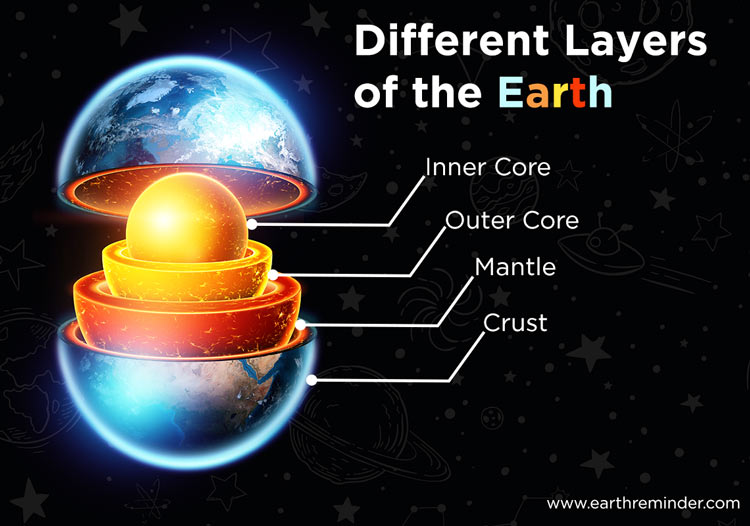 Which Layers Make Up The Lithosphere Of Earth - Mugeek Vidalondon
Deep Dive: The Outer Core
Okay, we're getting serious now. We've taken the elevator down another 2,200 kilometers, and we're in the outer core. It's like we've just stepped into the Earth's giant, liquid metal nightclub. The pressure down here is so intense, it's like the world's most exclusive, high-pressure dance-off.
But here's where things get crazy. The outer core is made up of liquid iron and nickel. Yes, you heard me right. Liquid. Iron. And nickel. It's like the Earth's very own, personal, molten metal smoothie. Gross, but kind of amazing, right?
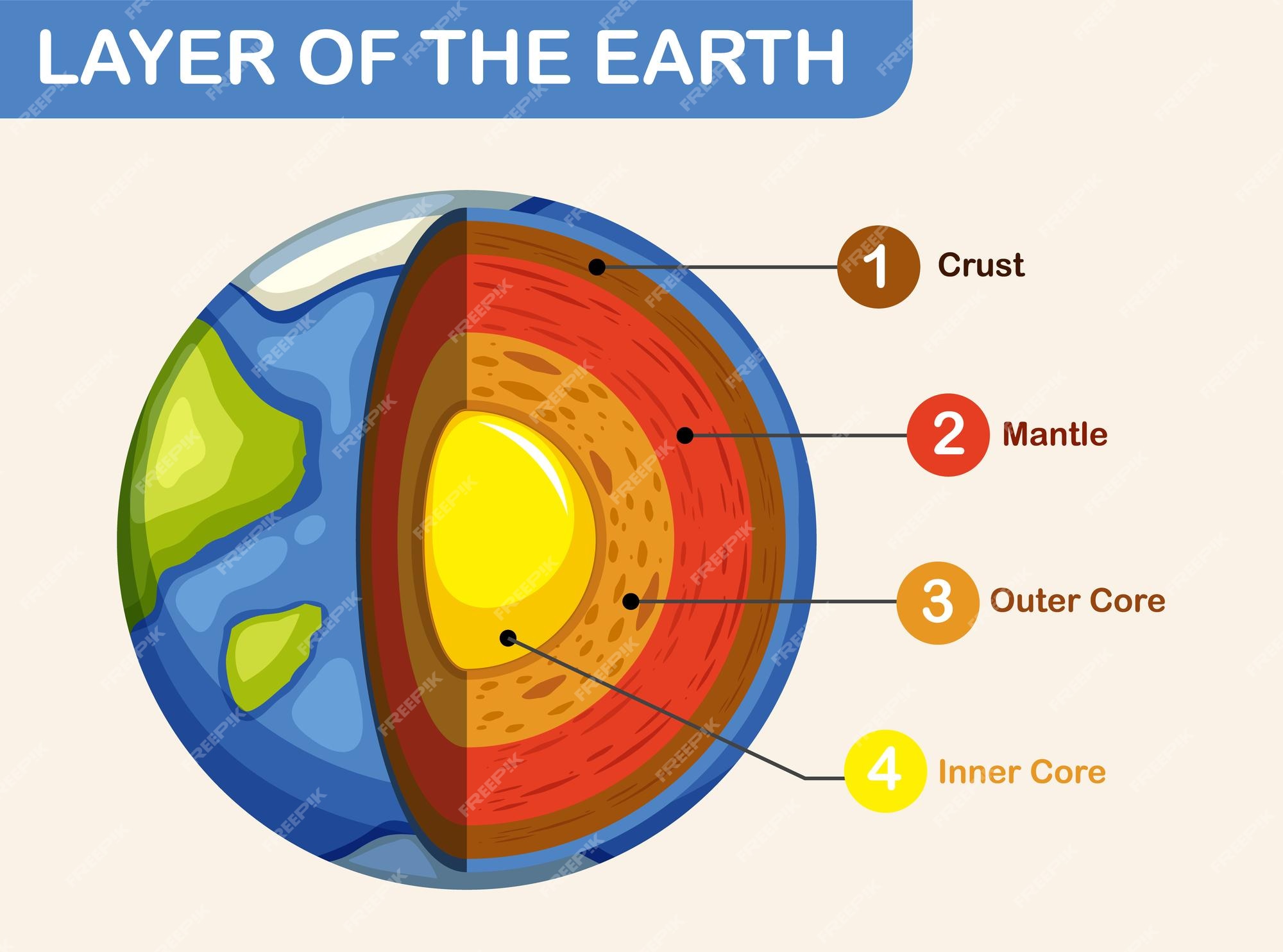 Structure Of The Earth Worksheet - Admuscente
The Inner Core: The Earth's Beating Heart
Alright, we've reached the final stop: the inner core. We're now 6,371 kilometers below the Earth's surface, right in the center. It's like we've just walked into the Earth's giant, solid metal heart. And guess what? It's solid iron and nickel. Yes, you read that right. The Earth's core is like a giant, metallic apple core. Who knew?
But here's where things get really interesting. The inner core is also the Earth's beating heart, generating the planet's magnetic field. It's like the Earth's very own, personal, geological disco ball, reflecting and deflecting solar particles. Without it, we'd all be in serious trouble. So, next time you're dancing under the Northern Lights, remember to thank the Earth's inner core!
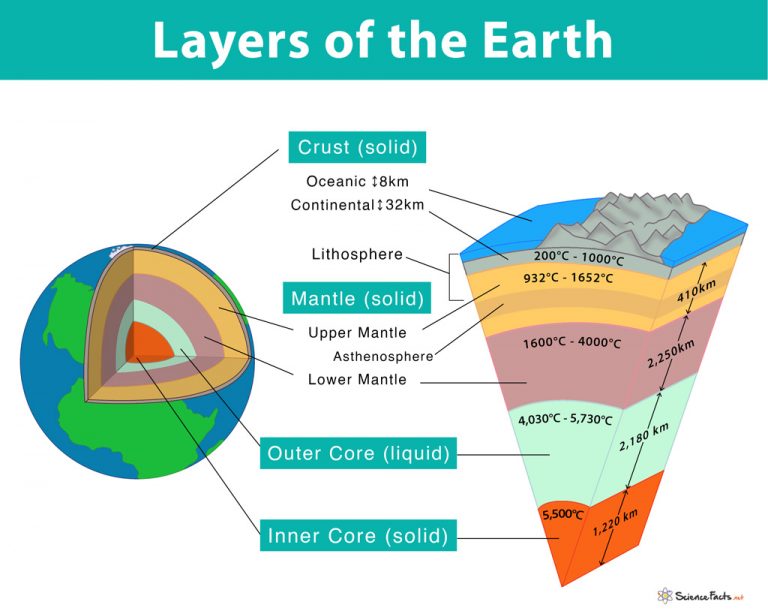 Layers of the Earth: Facts, Definition, Composition, & Diagram
Bonus Round: The Atmosphere
Alright, we've talked about the Earth's layers from the inside out, but what about the outside? Well, the atmosphere is like the Earth's giant, invisible blanket. It's made up of several layers: the troposphere, stratosphere, mesosphere, thermosphere, and exosphere. It's like the Earth's very own, personal, multi-layered, atmospheric duvet.
But here's where things get a bit tricky. The atmosphere isn't just one big, solid layer. It's more like a big, invisible, gas-filled onion. And you know what they say about onions - they make you cry. In this case, they make us cry for breathable air. So, let's appreciate our atmosphere, folks. It's the Earth's very own, personal, life-giving, gas-filled hug.
And there you have it, folks! The Earth's layers, from the inside out. It's like we've just gone on a crazy, underground, geological road trip. So, the next time you're standing on the Earth's surface, remember, you're not just standing on a big, solid rock. You're standing on a complex, layered, living, breathing planet. Isn't that something?
