How Many Vertices Does A Octagon Have

Alright, gather 'round, folks. Let's talk octagons. You know, those eight-sided shapes that are like the supermodels of geometry - they've got it all going on, but sometimes t...
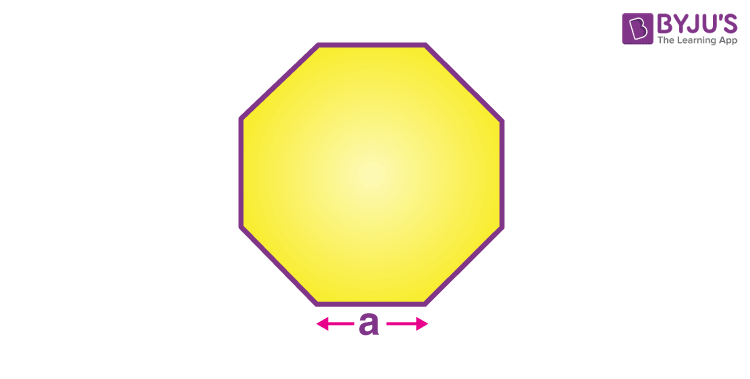
Alright, gather 'round, folks. Let's talk octagons. You know, those eight-sided shapes that are like the supermodels of geometry - they've got it all going on, but sometimes they can be a bit... confusing. I mean, who hasn't been in a situation where you're like, "Wait, does an octagon have eight sides or eight thousand?"
Let's Get Our Facts Straight
First things first, let's clear the air. An octagon, my friends, has eight sides. Not eight thousand, not eight hundred, but a nice, neat eight. It's right there in the name - 'octo' means eight, and 'gon' means side. So, it's like ordering a pizza with eight slices. Easy peasy, right?
Now, you might be thinking, "But what about those weird, wonky octagons I've seen? The ones that look like they've been through a blender?" Well, those are just irregular octagons. They're like the rebels of the geometry world, refusing to follow the rules. But even they have eight sides - they're just not all the same length or angle. It's like having eight kids, but each one is a different age. Still eight, just... more chaotic.
Must Read
Why Eight, You Ask?
You might be wondering why anyone would choose eight sides over, say, six or ten. Well, let me tell you, eight is a magical number. It's the first number that has three different pairs of factors (1 and 8, 2 and 4, 4 and 2). It's also the atomic number of oxygen, which, let's face it, is pretty darn important. And if that's not enough, it's the number of legs on a spider. Creepy, right?
But back to geometry. Eight is also a Fibonacci number, which means it appears in the Fibonacci sequence (0, 1, 1, 2, 3, 5, 8, 13, ...). You know, that sequence that's all over nature, from pine cone scales to sunflower seeds? Yeah, that one. So, eight is basically the Leonardo da Vinci of numbers. Classy, mysterious, and a little bit weird.
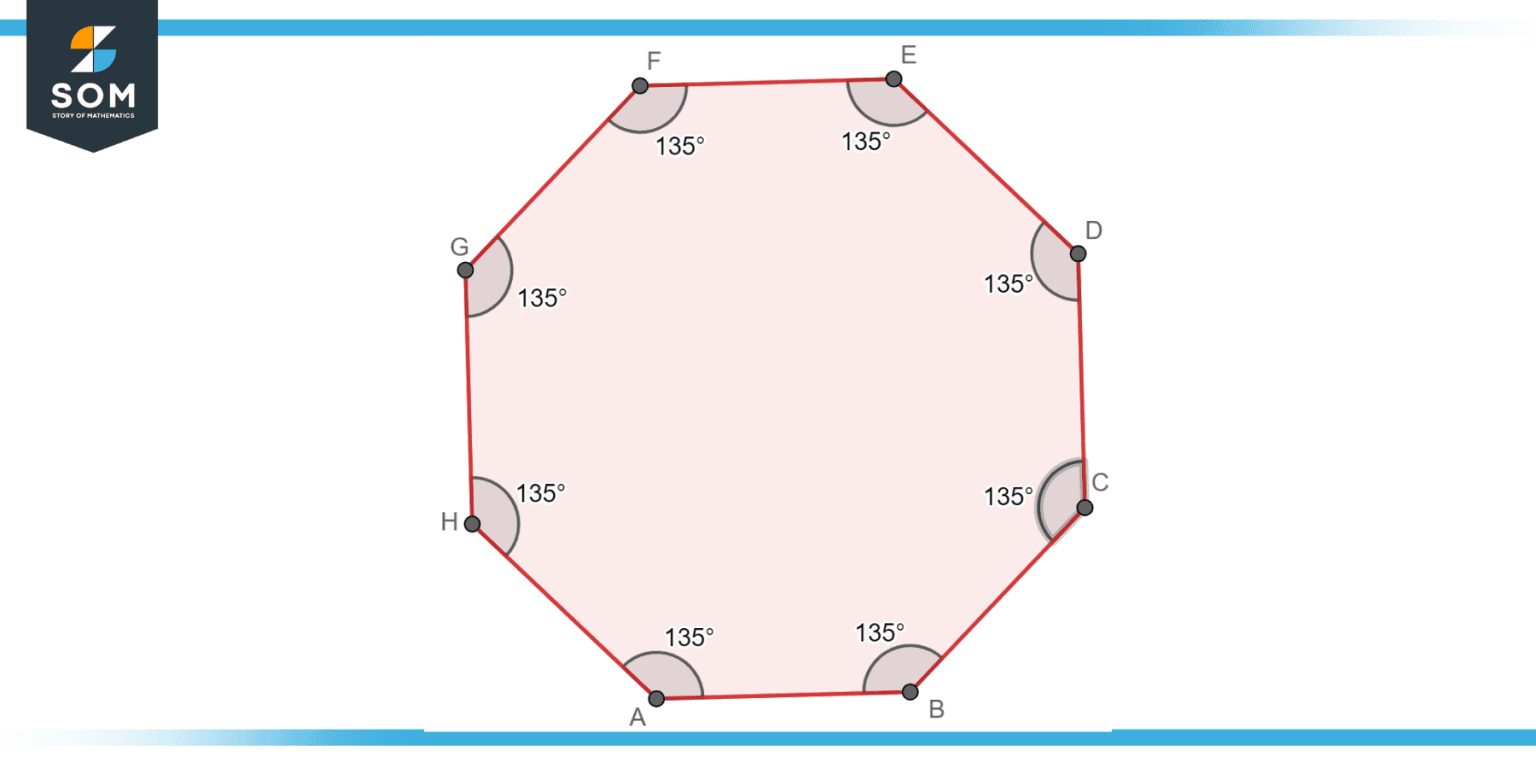 The Octagon - Definition, Geometry, and Types with Examples
Octagons in the Wild
Now, you might be thinking, "That's all well and good, but where am I ever going to use this knowledge?" Well, let me tell you, octagons are everywhere. They're in the stop signs you ignore (or, you know, obey - I don't judge), the Olympic rings, and even the logo of your favorite fast-food chain (hint: it's not a square).
And if you're feeling adventurous, you could even build your own octagonal house. I mean, why settle for a boring old square or rectangle when you could live in a shape that's practically a party? Just imagine the conversations you'd have with your friends: "Hey, want to come over for dinner? Oh, you can't? Too bad. My house is octagonal, so it's automatically cooler."
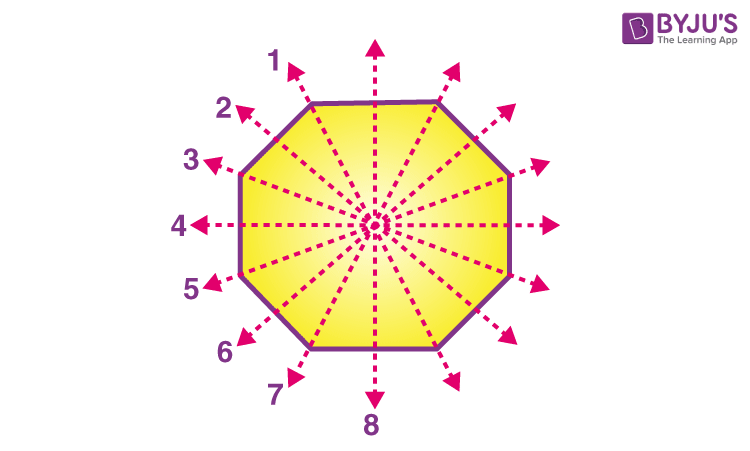 Octagon Shape - Definition, Properties, Formula, Examples, Sides and angles
But Wait, There's More!
But here's where things get really interesting. You know how we've been talking about octagons having eight sides? Well, there's a sneaky little trick you can play with that. You see, if you take an octagon and connect the opposite corners, you get... wait for it... a square!
I know, right? Mind. Blown. It's like finding out your boring old uncle is secretly a ninja. Or a ninja uncle. Either way, it's pretty darn cool. So, the next time you're looking at a square, just remember - it's really just an octagon in disguise. It's like the Clark Kent of shapes. All business on the outside, but a total superhero on the inside.
So, there you have it. Octagons - they're not just for geometry teachers and stop signs anymore. They're the shape that's always got your back, whether you're building a house, designing a logo, or just trying to impress your friends. Eight sides, eight legs, eight thousand possibilities. Who knew geometry could be so much fun?
