How To Add A Calculation To A Pivot Table

So, there I was, drowning in a sea of numbers, trying to make sense of our sales data. I mean, don't get me wrong, I love numbers, but when they're staring at you from every a...
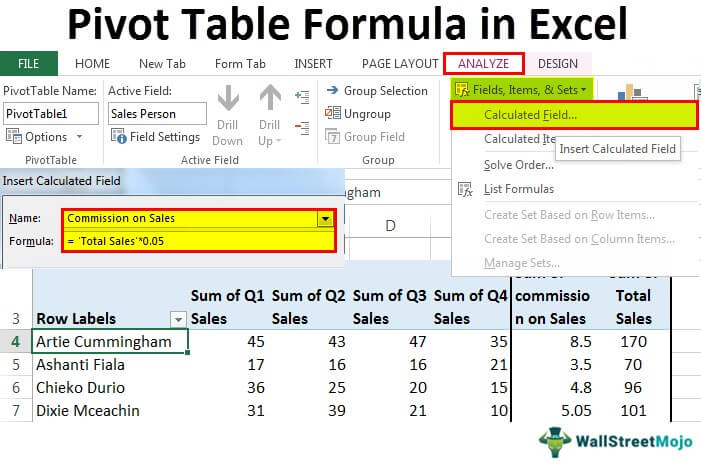
So, there I was, drowning in a sea of numbers, trying to make sense of our sales data. I mean, don't get me wrong, I love numbers, but when they're staring at you from every angle like a thousand tiny, expectant eyes, it's a bit overwhelming. I was trying to figure out our profit margin, but Excel was having none of it. That's when I discovered the magical world of PivotTables. Game changer!
Now, you might be in the same boat, or maybe you're just curious about how to add a calculation to a PivotTable. Either way, you're in the right place. Let's dive in, shall we?
First Things First: What's a PivotTable?
Alright, let's not assume you're an Excel whiz. A PivotTable is like a magical spreadsheet transformer. It takes your data and turns it into a table that you can slice and dice to see different views of the same data. It's like having a secret decoder ring for your numbers.
Must Read
Why Learn to Add Calculations?
Well, imagine you're trying to figure out your sales tax. You can't just add a column for it, because the tax rate changes. Or maybe you want to see your profit margin right there in your PivotTable, without having to do mental math. That's where calculated fields come in.
So, let's get started. I'm going to assume you've already got your PivotTable set up and you're ready to add a calculation.
Adding a Calculation: Step by Step
Step 1: Right-Click, Meet Your New Best Friend
First things first, right-click anywhere in your PivotTable. A menu will pop up. You're looking for 'Calculated Field'. Click that.
Side note: If you're on a Mac, you might need to control-click instead of right-click. It's like Excel is playing favorites, but we won't hold it against them.
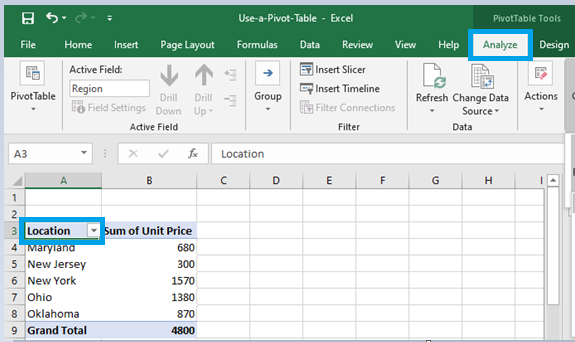 Add and Use an Excel Pivot Table Calculated Field - GeeksforGeeks
Step 2: Name Your New Friend
Excel will ask you to name your new calculated field. Let's call it 'Profit Margin'. You can change this later if you want, but for now, let's keep it simple.
Step 3: The Magic Happens Here
Now, here's where the magic happens. You'll see a formula bar where you can enter your calculation. Let's say you want to calculate profit margin as (Sales - Cost of Goods Sold) / Sales. You would enter that formula like this:
(Sales - Cost of Goods Sold) / Sales
Remember, you need to use the names of the fields from your PivotTable, not the actual numbers. If you're not sure, you can click on the field names in the formula bar to insert them.
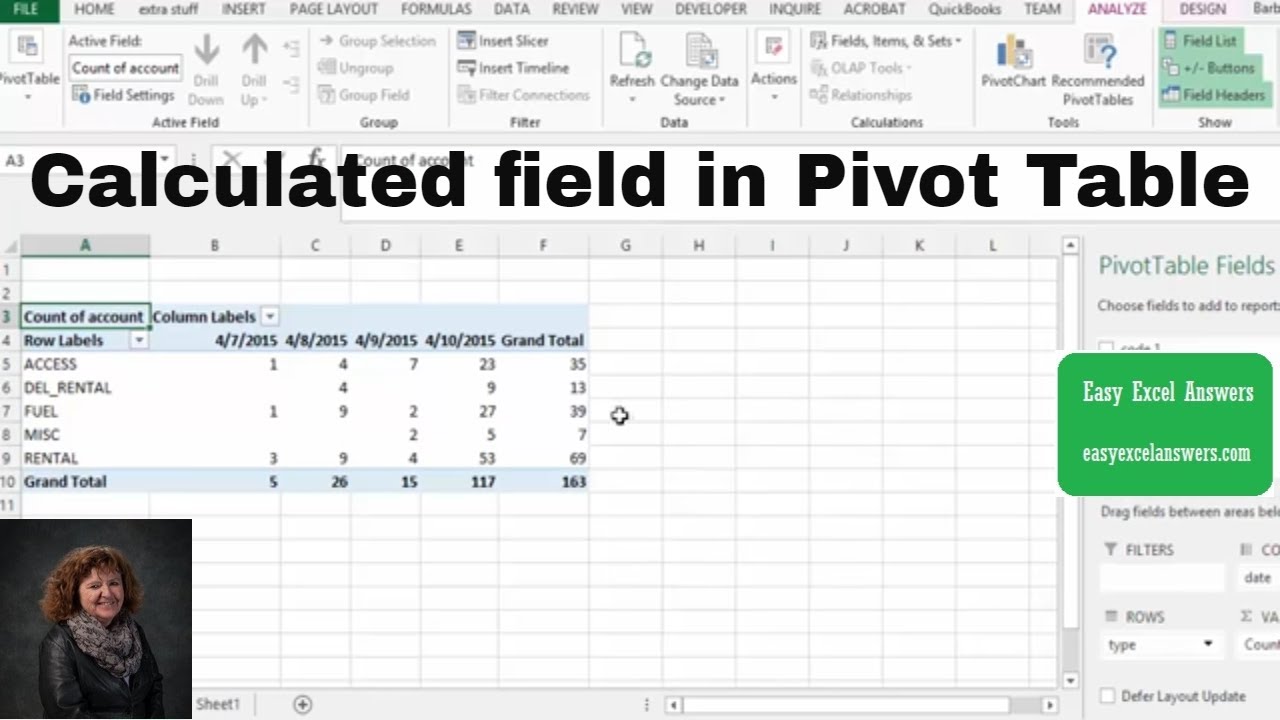 How to add a calculated field to a pivot table - YouTube
Step 4: Press Enter, Rejoice
Once you've entered your formula, press enter. Your new calculated field will appear in your PivotTable. Ta-da!
But Wait, There's More!
You can also add calculated items to your PivotTable. Let's say you want to see 'Total Sales' and 'Total Cost of Goods Sold' in your PivotTable, but you don't have those fields in your data. You can create calculated items for that.
The process is similar, but instead of 'Calculated Field', you'll choose 'Calculated Item'. Then, you'll select the field you want to add the calculation to, and enter your formula. Easy peasy!
And That's a Wrap!
And there you have it! You've just learned how to add a calculation to a PivotTable. Now you can slice, dice, and calculate your way to data mastery. Just remember, with great power comes great responsibility. Don't go overboard with the calculations, okay?
Now, go forth and conquer your data! And if you get stuck, don't hesitate to reach out. We're all in this together. Happy calculating!
