How To Add Calculated Field To Pivot Table

Ever found yourself drowning in data, wishing you could create a magical field that crunches the numbers just the way you need? Well, today's your lucky day, because we're abo...
Ever found yourself drowning in data, wishing you could create a magical field that crunches the numbers just the way you need? Well, today's your lucky day, because we're about to turn you into a pivot table whisperer. Buckle up, folks, we're going on a data adventure.
First Things First: The Pivot Table Basics
Imagine a pivot table as a data detective, sifting through your numbers to find hidden insights. It's like having your own personal Sherlock Holmes of spreadsheets. But to make it work for you, you've got to know how to speak its language.
Let's start with the basics. You've got your data, right? It's all nicely organized in a table with rows and columns. Now, when you create a pivot table, you're telling your data detective where to look for clues. You decide what goes into the Rows, Columns, and Values sections. Easy peasy, right?
Must Read
Introducing the Calculated Field: Your Data's Sidekick
Now, let's say you want to know the total sales for each region, but you also want to see the percentage increase from last year. That's where a calculated field comes in. It's like having a smart sidekick that can do math tricks while your data detective focuses on the big picture.
To create a calculated field, you'll need to know a bit of formula lingo. Don't worry, it's not as scary as it sounds. We're talking simple stuff like SUM, COUNT, AVG, and so on. You can even use functions like IF and IFERROR to add some conditional logic.
Let's Get Calculating
Alright, let's dive into the nitty-gritty. Say you've got sales data for the past two years, and you want to create a calculated field that shows the percentage increase. Here's how you do it:
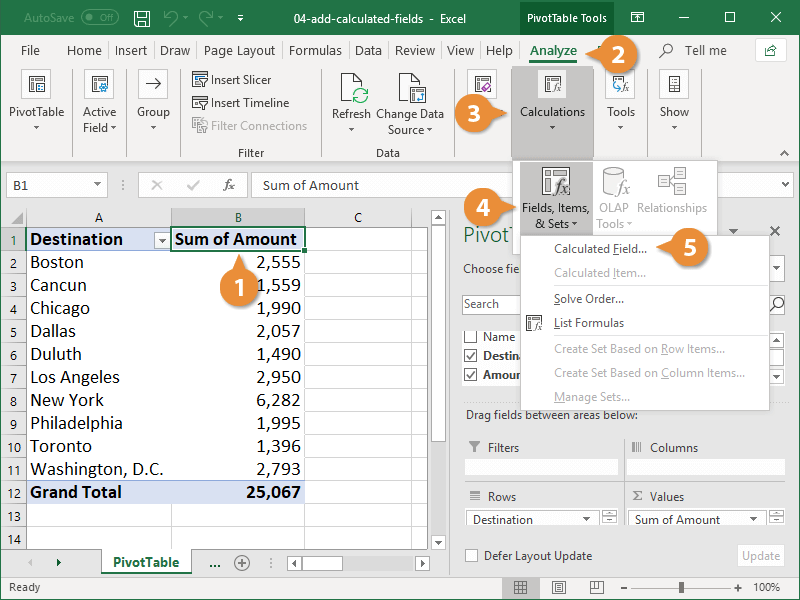 How To Add A Calculated Field In A Power Pivot Table
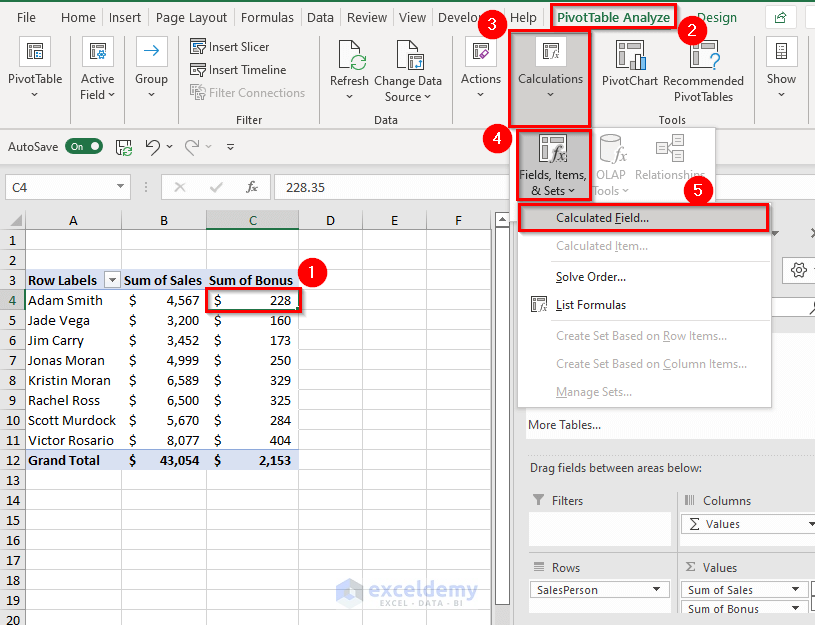
- Right-click anywhere in the pivot table and select Add Calculated Field.
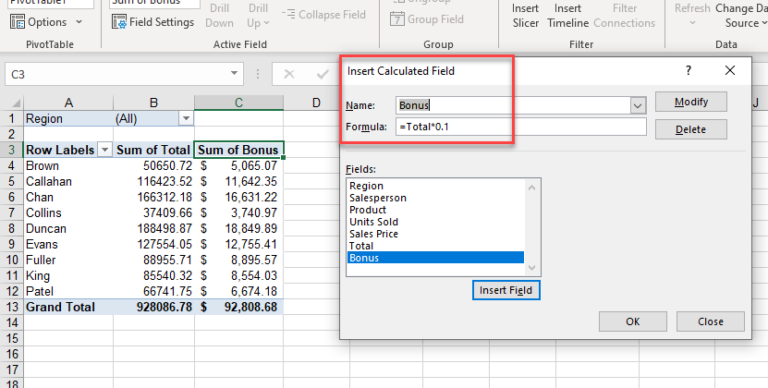
- In the Name field, give your new field a name. Let's call it % Increase.
- In the Formula field, type the following: =(([Sales YTD] - [Sales PYTD]) / [Sales PYTD]). This tells Excel to calculate the percentage increase from last year's sales.
- Click OK to create your new field.
Et voilà! Your new calculated field is now ready to join the party in your pivot table. Drag it into the Values section, and watch as it works its magic, turning raw numbers into meaningful insights.
Calculated Fields: The Gift That Keeps on Giving
Calculated fields aren't just for percentage increases, though. They can do all sorts of tricks. Want to know the average rating of your products? Create a calculated field that divides the total rating by the number of reviews. Want to see which products are selling the most? Create a calculated field that shows the sales per item.
And here's a fun fact: You can even use calculated fields to create running totals. Just use the SUM function with the running_total option. It's like having your own personal data scorekeeper, cheering you on as you climb the leaderboard.
 Add a Calculated Field in a Pivot Table in Excel & Google Sheets
When in Doubt, Ask for Help
Feeling overwhelmed? Remember, you're not alone. Even the most seasoned data detectives need a helping hand sometimes. Don't be afraid to ask for help, whether it's from a colleague, a forum, or even a friendly AI like me.
And hey, if all else fails, just remember the words of the great Yoda: "Try not. Do. Or do not. There is no try." In other words, dive in, give it a go, and don't be afraid to make mistakes. After all, that's how we learn.
Reflection: Data as a Tool for Growth
So, there you have it. You're now a certified pivot table whisperer, with a whole new set of data detective skills under your belt. But remember, data isn't just about crunching numbers. It's about asking the right questions, finding the right answers, and using them to grow.
Whether you're a business owner, a marketer, or just someone who loves a good data challenge, calculated fields can be your secret weapon. They can help you see patterns, make informed decisions, and even predict the future. So go forth, data adventurer, and let the numbers guide you on your journey.
