How To Clean Oil Sludge Out Of Engine

So, you've found yourself staring at an engine that looks like it's been through a deep-fryer, huh? Don't worry, we've all been there. It's like looking at a greasy, oily mirr...

So, you've found yourself staring at an engine that looks like it's been through a deep-fryer, huh? Don't worry, we've all been there. It's like looking at a greasy, oily mirror into our past selves - "How did I let it get this bad?" Well, let's not dwell on that. We're here to fix it, not judge it.
First things first, what's this 'sludge' you speak of?
Alright, let's get technical for a sec. Oil sludge is like the grimy, oily cousin of your engine's regular oil. It's what happens when oil gets old, breaks down, and mixes with all the dirt, dust, and debris that your engine kicks up. It's gross, but it's also a sign that your engine's been working hard, and that's something to be proud of. Sort of.
Okay, enough chat. Let's get our hands dirty.
Step 1: Drain that bad boy
First things first, you're gonna need to drain that old oil. Pop open your hood, locate your oil pan (it's the big, flat thing at the bottom of your engine), and get your oil filter and drain plug ready. It's like a greasy piñata, and you're about to crack it open. Just remember to let your engine cool down first, safety first, folks!
Must Read
Once it's cool enough to touch (but not so cool that the oil has thickened up), grab your oil filter wrench, and start loosening that bad boy. If it's really stuck, you might need to use some force. Just don't go all Hulk on it, we don't want any broken filters here.
Now, grab your oil pan (or a bucket, if you're fancy), and start draining that oil. It's gonna be slow at first, but don't worry, it'll pick up speed. While you're waiting, why not catch up on your podcasts? Multitasking, baby!
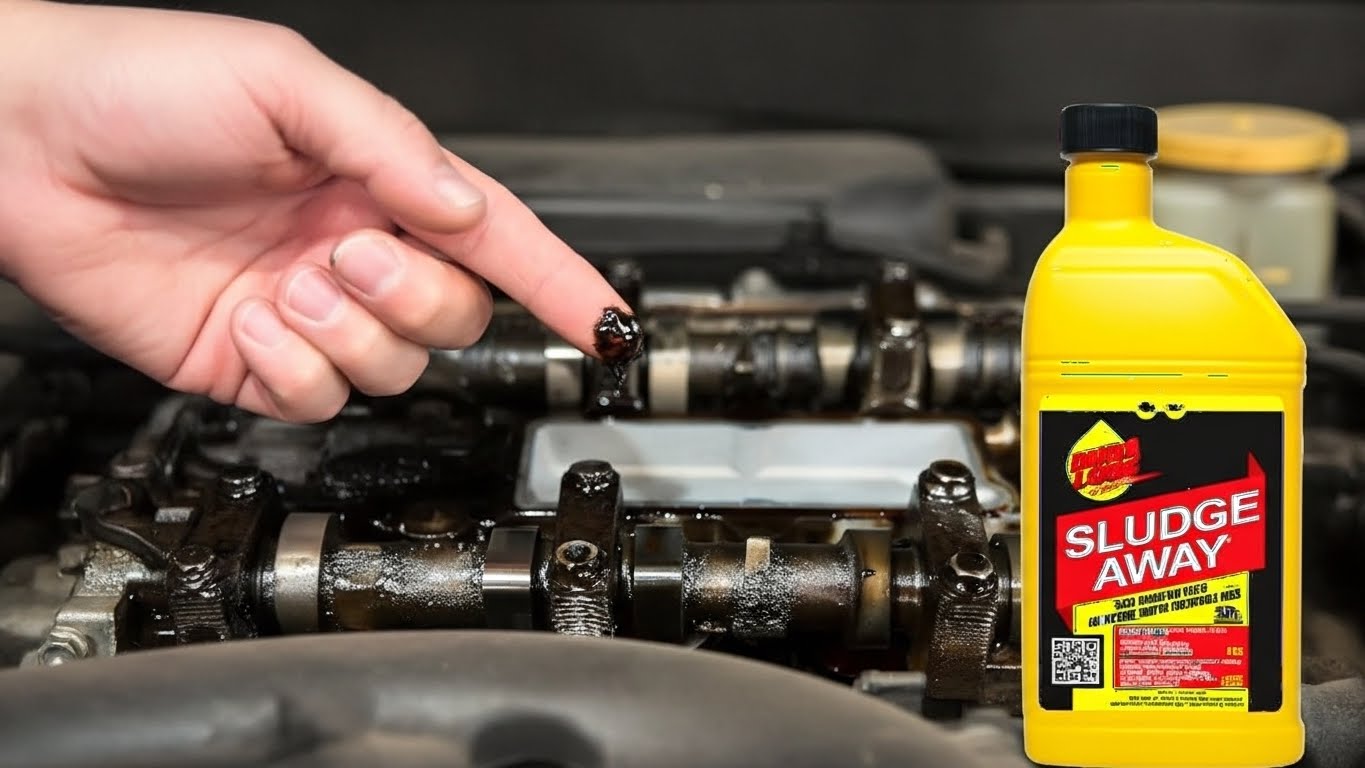 Best Way to Clean Engine Sludge: Consider Right Oil Flush
Step 2: The big clean
Alright, so you've drained the oil. Good job! Now it's time to tackle that sludge. You've got a few options here. You could go the chemical route, using an oil sludge remover. These guys are like the Hulk of cleaning products, breaking down that sludge and making it easier to remove. Just follow the instructions on the bottle, and give it some time to work its magic.
Or, if you're feeling extra adventurous, you could try the good old-fashioned method of adding new oil and running your engine. The new oil will help break down the sludge, and then you can drain it all out. Just remember to change your oil filter before you start the engine, or you'll be dealing with a very messy situation.
Step 3: The final rinse
Once you've let the chemical do its thing, or run your engine long enough, it's time to drain that oil again. This time, you should see a significant reduction in the amount of sludge. If not, don't worry, it might just take a few more rounds.
 Do this After Flushing Engine Sludge / Engine sludge CLEAN Up
After you've drained the oil, replace your oil filter, and top off your engine with fresh, new oil. It's like giving your engine a fresh start, a new beginning. Isn't that sweet?
And there you have it!
Your engine should be looking (and feeling) a lot better now. Just remember, prevention is key here. Regular oil changes can help prevent sludge from building up in the first place. So, don't be a stranger to your mechanic, or your own garage. Your engine will thank you!
And hey, if all else fails, there's always the 'hope for the best, prepare for the worst' approach. But let's be real, that's not really a strategy. So, let's stick to the cleaning, okay?
