How To Encrypt A Zip File With A Password

Ever felt like you're living in a real-life episode of Mr. Robot, where every file you send could be the next big data breach? Yeah, us too. But fear not, tech-savvy friends,...
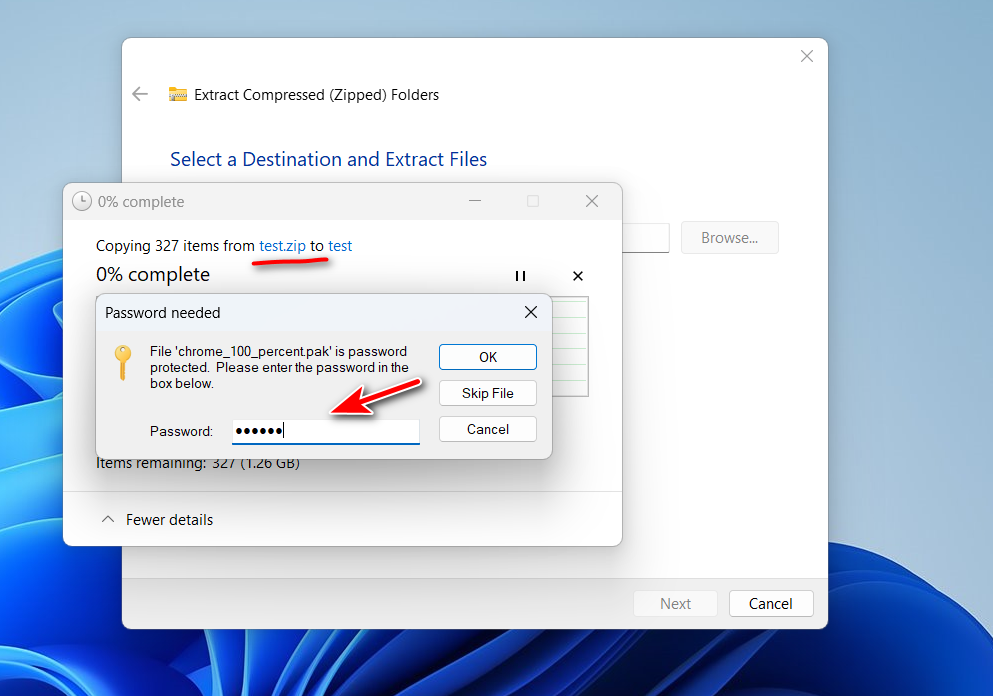
Ever felt like you're living in a real-life episode of Mr. Robot, where every file you send could be the next big data breach? Yeah, us too. But fear not, tech-savvy friends, we've got a simple trick up our sleeve to keep your digital goods safe and sound: encrypting your zip files with a password.
Why Bother? (Or, The Tale of Two Zip Files)
Imagine you're sending two zip files to your friend. One is encrypted, the other isn't. Now, imagine a sneaky little hacker intercepts both. With the unencrypted file, they can unzip it like a well-wrapped present on Christmas morning. But with the encrypted one? They'll hit a brick wall, or rather, a password prompt.
See the difference? That's why bothering to encrypt your zip files is like having a secret language with your digital pals. It's just you and them, keeping prying eyes out in the cold.
Must Read
Let's Get Encrypting! (The Easy Peasy Guide)
Step 1: Gather Your Troops (Files, That Is)
First things first, gather all the files you want to encrypt into one folder. Think of it like a digital picnic, but instead of sandwiches, you've got documents, photos, and who knows what else.
Step 2: Zip 'Em Up
Now, right-click on that folder and select Send to, then Compressed (zipped) folder. Voila! You've just zipped your files. Easy, right?
Step 3: Lock It Down
But we're not done yet. Right-click on that newly created zip file and select Properties. Click the Advanced button, then check the box that says Encrypt contents to secure data. Now, type in your password and click OK.
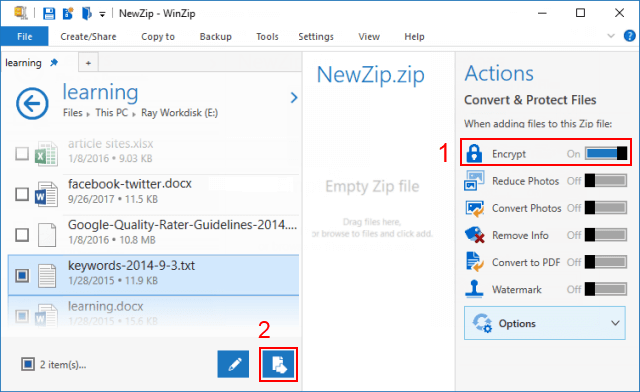 How to Encrypt a Zip File with Password Less Than 8 Characters in WinZip
And there you have it! Your zip file is now locked down tighter than a drum. Even if someone gets their hands on it, they won't be able to open it without your password.
But Wait, There's More! (A Few Bonus Tips)
1. Use Strong Passwords: We know, we know, "123456" is so much easier to remember. But trust us, a strong password is like a fortress. Use a mix of uppercase and lowercase letters, numbers, and symbols. Your password should be a sentence, not a word. Think "I&^%LoveCoffee!".
2. Don't Share Passwords: We get it, you want to share your files. But sharing your password? That's a big no-no. Instead, use a password manager or a secure file-sharing service.
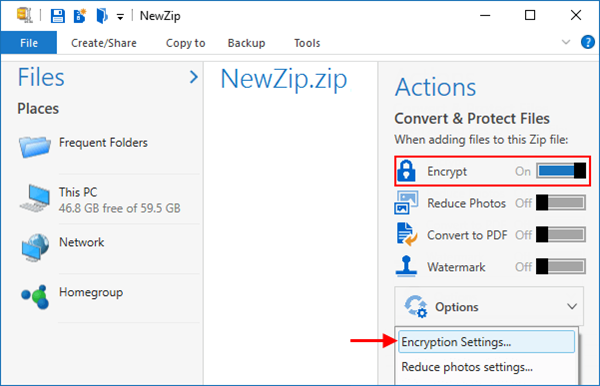 How to Encrypt a Zip File with Password
3. Test Your Password: Before you send that zip file off into the digital sunset, test your password. Right-click the file, select Properties, then Advanced, and try to open it. If it works, you're golden.
Reflection: The Art of Digital Privacy
In a world where data breaches are as common as coffee shops, encrypting your zip files might seem like a small step. But it's a step in the right direction. It's about taking control of your digital life, keeping your files safe, and sending a clear message: your data is yours, and you won't have it any other way.
So, go forth, encrypt your zip files, and remember, you're not just protecting your data, you're making a statement. You're saying, "I care about my digital privacy, and I won't compromise it for convenience." And that, dear friends, is something worth fighting for.
