How To Find Mac Address On Command Prompt

Ever felt like your computer's been moonlighting as a secret agent, communicating in a language only it understands? Well, one of those secret codes is the MAC address, and to...

Ever felt like your computer's been moonlighting as a secret agent, communicating in a language only it understands? Well, one of those secret codes is the MAC address, and today, we're going to be like those cool hacker guys from movies (minus the leather jackets and questionable morals) and find out how to decipher it using the command prompt.
First Things First: What's a MAC Address?
Imagine you're at a party, and you want to know who's talking to whom. You'd look at their name tags, right? A MAC address is like that name tag, but for your computer. It's a unique identifier that helps network devices communicate with each other. It's like your computer's way of saying, "Hey, it's me, [MAC Address]!"
Why Would You Want to Know Your MAC Address?
There are a few reasons you might want to know your MAC address. Maybe you're trying to troubleshoot a network issue, or perhaps you're setting up a new network and want to make sure all your devices are playing nice. Whatever the reason, we're here to help you find it.
Must Read
Let's Get Our Hands Dirty: Finding the MAC Address
Alright, let's dive into the command prompt. It's like the command center of your computer, where you can tell it to do all sorts of things. If you're using Windows, you can find it by right-clicking on the Start button and selecting "Command Prompt". If you're on a Mac, you'll want to use "Terminal" instead. You can find it in Applications > Utilities.
Once you're in, you'll see a prompt that looks something like this: C:\Users\YourName> or your-mac-name:~ your_user_name$. Don't be intimidated, it's just waiting for your command.
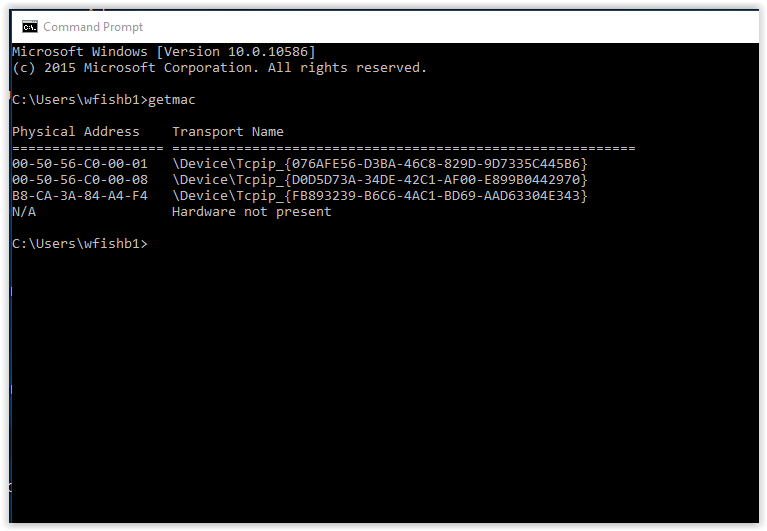 Getting Your MAC Address: Windows 7 & 10 - GROK Knowledge Base
For Our Windows Friends
In the command prompt, type ipconfig /all and press Enter. This will give you a whole bunch of information about your network. Scroll through it until you see something that looks like this: Physical Address. That's your MAC address. It's a series of numbers and letters separated by hyphens or colons, like 00-14-22-01-23-45 or 00:14:22:01:23:45.
For Our Mac Users
In the terminal, type ifconfig and press Enter. This will give you a list of network interfaces and their settings. Look for the one that's connected to your network (it might say "en0" or something similar). Under that, you'll see ether followed by your MAC address. It'll look something like this: 00:14:22:01:23:45.
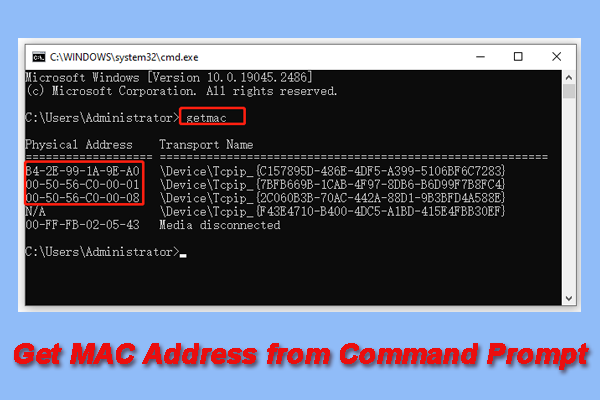 MAC Address CMD: How to Get MAC Address from Command Prompt - MiniTool
And That's a Wrap!
And there you have it! You've just found your MAC address like a total network ninja. Wasn't so hard, was it? Now you can go forth and troubleshoot networks, set up new devices, or just impress your friends with your newfound computer knowledge.
Just remember, while MAC addresses are unique, they're not secret. They're broadcast openly on your network, so don't go trying to use them to spy on your neighbors or anything. That's just creepy.
Happy networking, folks! Until next time, stay curious and keep exploring.
