How To Insert Header In Google Sheets

Ever found yourself drowning in a sea of numbers and text in Google Sheets, wishing you could just grab a highlighter and make some sense of it all? Well, my friend, today's y...
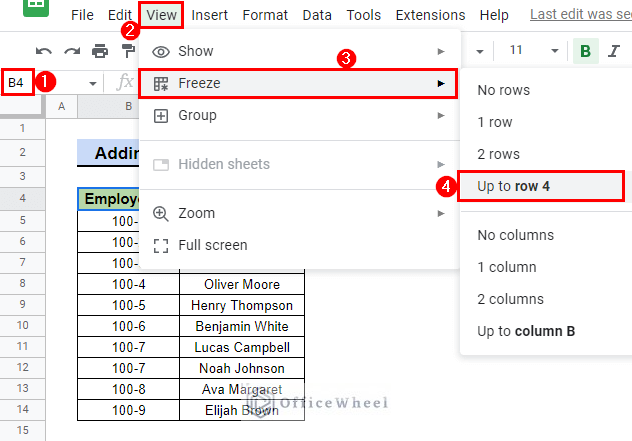
Ever found yourself drowning in a sea of numbers and text in Google Sheets, wishing you could just grab a highlighter and make some sense of it all? Well, my friend, today's your lucky day! We're going to learn how to insert headers in Google Sheets, and let me tell you, it's going to be a game-changer. Imagine you're at the grocery store, and instead of hunting for that elusive shopping list, you've got a neat little header saying "Fruits" or "Dairy". That's what we're doing here, making your Google Sheets as organized as your grocery list.
Why Should You Care?
Picture this: You're a small business owner, and you've got a sheet full of orders. Without headers, it's like trying to find your way through a maze blindfolded. But with headers, you can easily spot what you're looking for - like finding the cheese section in the grocery store. It's all about making your life easier, and who doesn't want that?
Let's Get Started!
First things first, open up your Google Sheets. Now, look at the top row - that's where our headers are going to live. If you've already got some text there, don't worry, we'll move it out of the way.
Must Read
To move your data down, just click on the little square at the left of the row number (called the "row header"), hold down your mouse button, and drag it down. This will move all the data in that row down, creating a new, empty row at the top.
Now, you're ready to insert your headers. Click on the first cell in the new, empty row. This is where your first header will go. Type in what you want your header to say - like "Order Number" or "Customer Name".
But wait, what if you want all your headers to be the same size and style? That's where "Merge Cells" comes in. Click on the little square at the bottom right of the cell with your header. A little menu will pop up, and you'll see "Merge cells". Click on that, and voila! Your header is now as big as you want it to be.
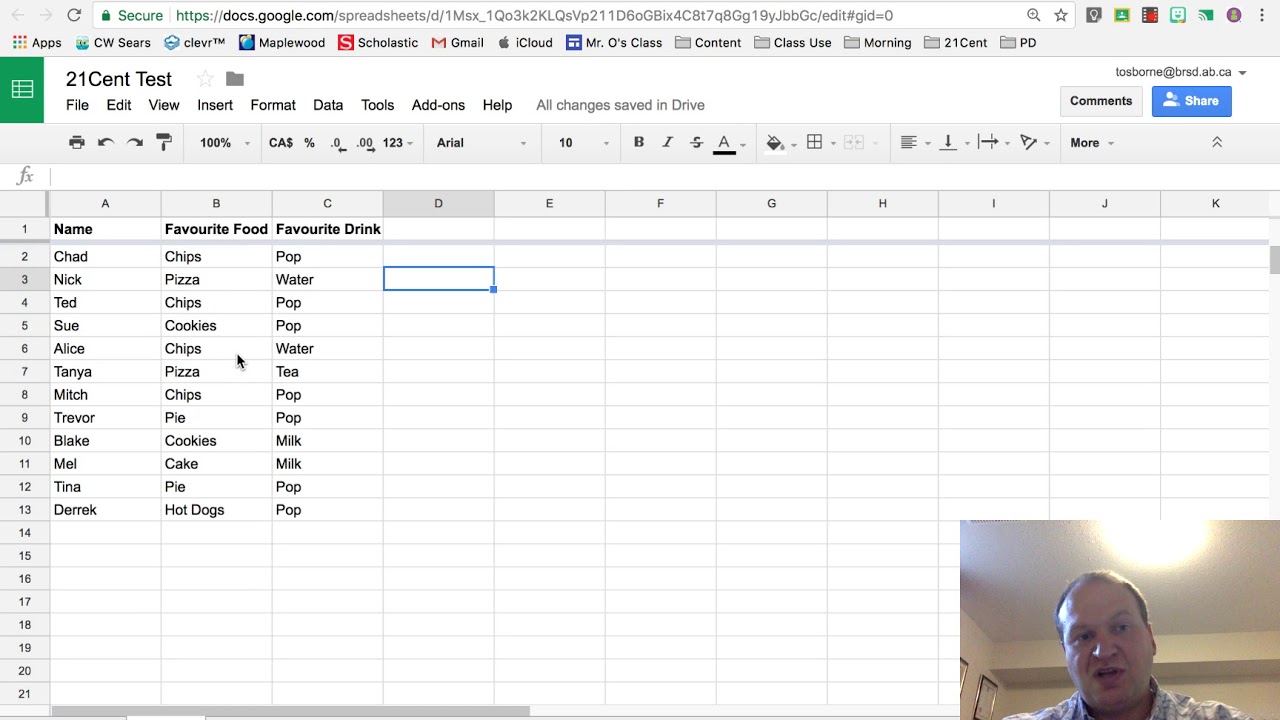 How to create a header row in Google Sheets - YouTube
Repeat this process for all the cells you want to have headers in. Once you're done, your sheet should look neat and organized, with clear headers at the top.
Making Your Headers Stand Out
Now, let's make those headers really pop. Click on the cell with your header again, and you'll see a little box with some options appear. Click on "Format" and then "Text wrapping". This will make your header text wrap around any images or charts you might have in your cells.
Next, click on "Background color" and choose a color that'll make your headers stand out. I like to use a light gray, but you do you. Then, click on "Text color" and choose a color that'll contrast nicely with your background color. Black usually works well.
 How to make Header Row in Google Sheets 2023 | Header, Google sheets
But wait, there's more! Click on "Font family" and choose a font that's easy to read. I like to use "Arial", but again, you do you. Then, click on "Font size" and choose a size that's big enough to read, but not so big that it takes up too much space.
Finally, click on "Bold" to make your header text stand out even more. And there you have it - headers that are as clear and organized as they are stylish.
But Wait, There's More!
What if you want to sort or filter your data based on your headers? Well, you can! Click on the little square at the top of the column with your header. This will select the entire column. Then, right-click and you'll see a menu pop up. Click on "Sort A-Z" or "Sort Z-A" to sort your data alphabetically. Or, click on "Data" in the menu bar at the top, then "Create a filter". This will add a little triangle to the top of your header, and you can use this to filter your data.
And there you have it, folks! You're now a Google Sheets header pro. So go forth, organize your data, and make your life a little bit easier. And the next time you're at the grocery store, remember, it's all about those headers.
