How To Look Up 911 Calls In Your Area

Curiosity Satisfied: How to Unveil Your Neighborhood's 911 Calls Ever wondered what's been going on behind closed doors in your neighborhood? You're not alone. The curiosity...
Curiosity Satisfied: How to Unveil Your Neighborhood's 911 Calls
Ever wondered what's been going on behind closed doors in your neighborhood? You're not alone. The curiosity bug has bitten us all at some point. And while we can't promise you'll find out about Mrs. Johnson's secret tango lessons, we can guide you through how to look up 911 calls in your area. Let's dive in!
Why Look Up 911 Calls?
Before we start, let's address the elephant in the room. No, you're not being nosy (well, maybe a little). Understanding your neighborhood's 911 call history can provide valuable insights. It can help you feel safer, be more prepared, and even bond with your neighbors over shared experiences. Plus, it's a fascinating glimpse into the unsung heroes who keep our communities running.
Know Your Freedom of Information Act (FOIA)
Alright, let's get into the nitty-gritty. The first thing you need to know is that 911 calls are public records, thanks to the Freedom of Information Act (FOIA). This means that, with a few exceptions, you have the right to access them. Think of it as your constitutional right to a good story.
Must Read
However, FOIA requests aren't as simple as clicking a button. They involve a bit of paperwork and patience. But don't worry, we'll guide you through it. First, you need to know that FOIA requests are handled by individual agencies, not the government as a whole. So, you'll be dealing with your local police or fire department.
Crafting Your FOIA Request
Now, let's talk about crafting your FOIA request. You'll want to be as specific as possible to get the most relevant results. Here's a simple template to get you started:
To Whom It May Concern,
I am writing to request access to public records under the Freedom of Information Act. Specifically, I would like to obtain copies of 911 call records for the following area: [Insert Your Neighborhood's Address or Cross Streets].
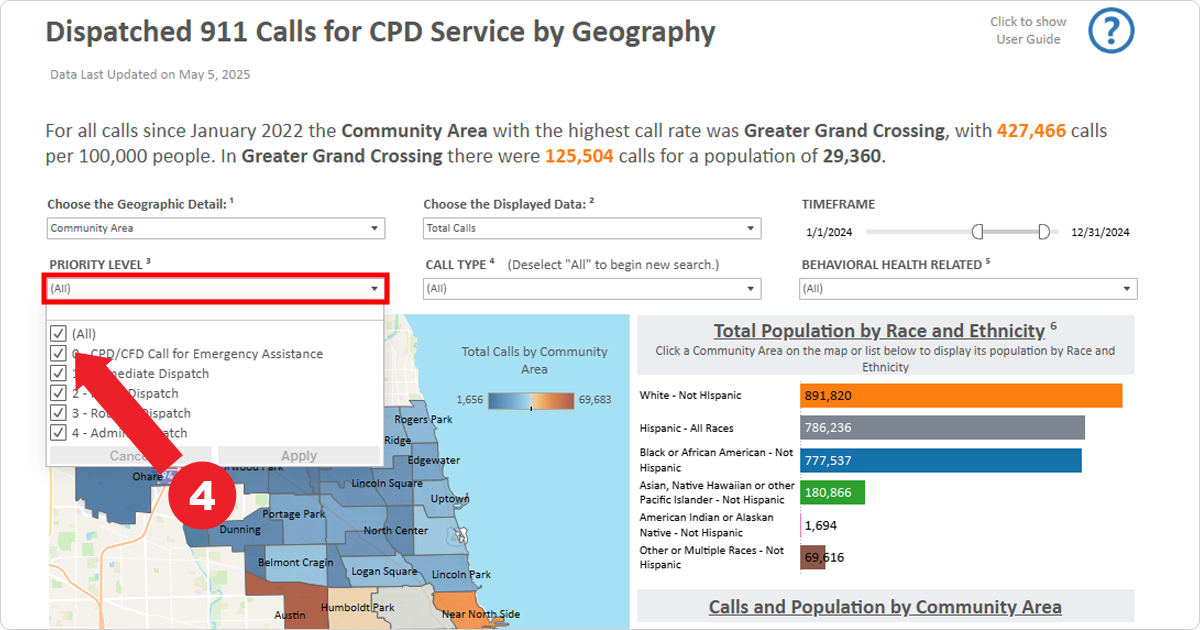
There Were 1,777 Dispatched 911 Calls for Priority Level 1 in the
Please provide records from [Insert Start Date] to [Insert End Date].
I am willing to pay reasonable fees for copying and processing these records. Please inform me if there are any fees associated with this request.
Thank you for your time and assistance.
Sincerely,
[Your Name]
Live911 – Real-Time 911 Call Monitoring - Commercial Electronics
Once you've sent your request, sit tight. Agencies have a certain number of days to respond, depending on your state's laws. While you're waiting, why not brush up on your local history? You might be surprised at what you find. Did you know that the first 911 call was made in Alabama in 1968? Or that the phrase "911" was chosen because it's easy to dial with your thumb?
Receiving and Understanding Your Records
When your records arrive, you might be surprised at the wealth of information. You'll likely receive audio recordings, transcripts, and sometimes even addresses and names (although these can be redacted for privacy reasons). Take your time to listen and read through them. It's a fascinating snapshot of your community's history.
But remember, these calls are sensitive. They're often about people's most vulnerable moments. Always approach them with respect and empathy. And while it might be tempting to share every detail, consider the privacy of those involved.
Connecting with Your Community
Once you've digested your 911 call records, it's time to connect with your community. Share what you've learned (appropriately, of course) with your neighbors. You might start a neighborhood watch group, or simply bond over shared experiences. After all, knowledge is power, and understanding your community's past can help shape its future.
Reflection: The Power of Knowing
Looking up 911 calls isn't just about satisfying curiosity. It's about understanding our communities on a deeper level. It's about knowing our neighbors, our history, and our shared experiences. So, go ahead, make that FOIA request. You never know what you might learn. And who knows? You might just become the neighborhood's unofficial historian.
