How To Turn Off Memory Integrity In Windows 11

Chillaxin' with Windows 11: Turning Off Memory Integrity Ever found yourself in a tech tango with Windows 11, trying to figure out how to turn off that pesky Memory Integrity...
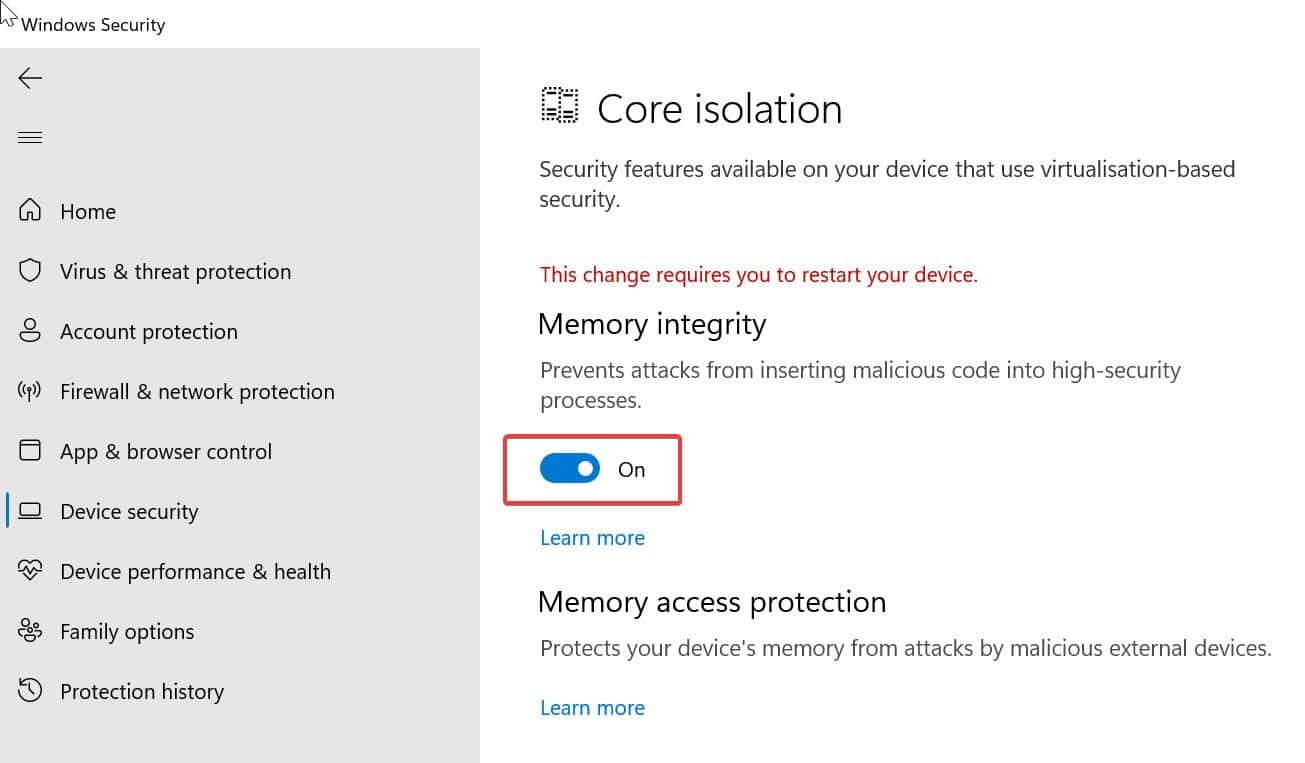
Chillaxin' with Windows 11: Turning Off Memory Integrity
Ever found yourself in a tech tango with Windows 11, trying to figure out how to turn off that pesky Memory Integrity feature? You're not alone, friend. It's like trying to decipher a secret code from an old spy movie. But fear not, we're here to make it as easy as ordering a flat white at your favorite coffee joint.
First Things First: What's Memory Integrity?
Imagine Memory Integrity as the bouncer at a fancy tech party. It ensures only trusted apps can access your system's core processes. It's there to keep your Windows 11 experience secure, but sometimes, it can be a bit too protective, blocking apps you know and trust. So, let's show it the door, politely, of course.
Preparing for the Big Switch
Before we dive in, make sure your system is backed up. You know, just in case things get a bit too wild. It's like having a safety net when you're trying out that new yoga pose you saw on Instagram. Here's how you do it:
Must Read
- Press Windows key + I to open Settings.
- Click on System, then Storage.
- Click on Manage disks and volumes, then select your system drive (usually C:).
- Click on System protection, then System Restore.
- Click on Create a system restore point, name it, and click Create.
Turning Off Memory Integrity: The Main Event
Now that you're all set, let's get down to business. Here's how you turn off Memory Integrity in Windows 11:
 how to enable/disable memory integrity in windows 11 | turn on memory
- Press Windows key + R to open the Run dialog box.
- Type
ms-settings:securityand press Enter. - Click on Core isolation details.
- Under Memory integrity, turn off the toggle switch.
- Restart your computer. Yes, it's that simple. No need to call Q from Bond.
Fun Fact: The History of Windows Security
Did you know that the first version of Windows, released in 1985, didn't even have a password feature? It's true! It was like living in a world without locks. But times have changed, and now we've got features like Memory Integrity to keep our systems safe.
When to Keep Memory Integrity On
While we've shown you how to turn it off, remember, Memory Integrity is there to keep your system secure. So, if you're not sure about an app or you're worried about malware, it's best to keep it on. It's like having a personal bodyguard in the digital world.
 7 steps to debloat Windows 11 for handheld gaming
Reflection: Balance in Tech
In the end, it's all about balance. We want our systems to be secure, but we also want them to work with the apps we love. So, whether you decide to keep Memory Integrity on or off, remember to check in with your tech every now and then. It's like having a conversation with an old friend. You never know what you might learn.
And there you have it, folks! You're now a Memory Integrity master. Go forth and enjoy your Windows 11 experience, just the way you like it. Until next time, stay tech-savvy and keep it real.
