John Dalton Atomic Theory Model Name

Atoms, Schmatoms: A Chill Chat with John Dalton's Atomic Theory Ever wondered what makes up the world around us? Like, really wondered? You know, beyond the 'it's just stuff'...
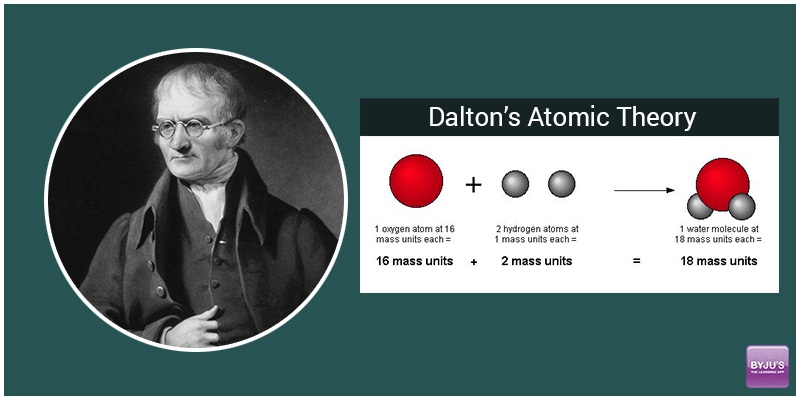
Atoms, Schmatoms: A Chill Chat with John Dalton's Atomic Theory
Ever wondered what makes up the world around us? Like, really wondered? You know, beyond the 'it's just stuff' answer. Well, buckle up, because we're about to dive into the fascinating world of atoms, and who better to guide us than the man who first gave us a peek inside - John Dalton.
Dalton: The Original Atom Whisperer
Born in 1766, John Dalton was a British scientist who, among other things, loved to gaze at the stars. But unlike your average stargazer, Dalton wasn't content with just admiring the night sky. He wanted to understand it. And so, he turned his gaze inward, towards the tiny, invisible building blocks of the universe - atoms.
Now, Dalton wasn't the first to suggest atoms existed. Ancient Greek philosophers had been tossing around the idea for centuries. But Dalton was the first to put pen to paper and lay out a comprehensive model of what atoms are and how they behave. And thus, the John Dalton Atomic Theory was born.
Must Read
Dalton's Atomic Theory: The Original Atom Manifesto
Dalton's theory, published in 1803, is as simple as it is profound. It's like the atomic version of 'Keep It Simple, Stupid.' Here are the four key points:
- Atoms are the fundamental units of matter. They're the LEGO blocks of the universe. You can't break them down any further without turning them into something else.
- Atoms of the same element are identical. It's like having a room full of identical twins. All hydrogen atoms are the same, all oxygen atoms are the same, and so on.
- Atoms of different elements combine in whole number ratios to form compounds. It's like baking a cake. You need a certain amount of each ingredient (flour, eggs, sugar) to make it work. And just like a cake, if you mess with the ratios, you get a different result.
- Chemical reactions involve the rearrangement of atoms. It's like a game of musical chairs, but with atoms. They move around, switch places, and form new bonds.
Dalton's Theory: Still Going Strong
Dalton's theory might have been published over two centuries ago, but it's still going strong. It's the foundation upon which modern chemistry is built. It's like the original blueprint that every new architect refers back to.
 Atomic Model Scientists Timeline | Timetoast timelines
But here's the thing: Dalton's theory isn't perfect. It's been refined and built upon over the years. We now know about subatomic particles, about isotopes, about quantum mechanics. But at its core, Dalton's theory is still there, as solid and reliable as ever.
Practical Tips: Dalton in Daily Life
So, how does all this atom talk apply to your daily life? Well, it's all around you. Every time you cook, every time you clean, every time you breathe, you're interacting with atoms. Here are a few practical tips:
- Next time you're cooking, think about how the atoms in your ingredients are bonding to form new compounds. It's like a dance, and you're the choreographer.
- When you're cleaning, remember that you're breaking and reforming bonds at a microscopic level. It's like giving your surfaces a molecular makeover.
- And next time you're breathing, take a moment to appreciate the fact that you're inhaling oxygen atoms and exhaling carbon dioxide atoms. It's like a tiny, constant chemical reaction happening right inside you.
The Atom in Art and Culture
Atoms aren't just confined to science labs. They've made their way into art and culture too. Take, for instance, the periodic table. It's not just a boring list of elements. It's a work of art, a visual representation of the atomic world. And it's been the inspiration for everything from music to fashion.
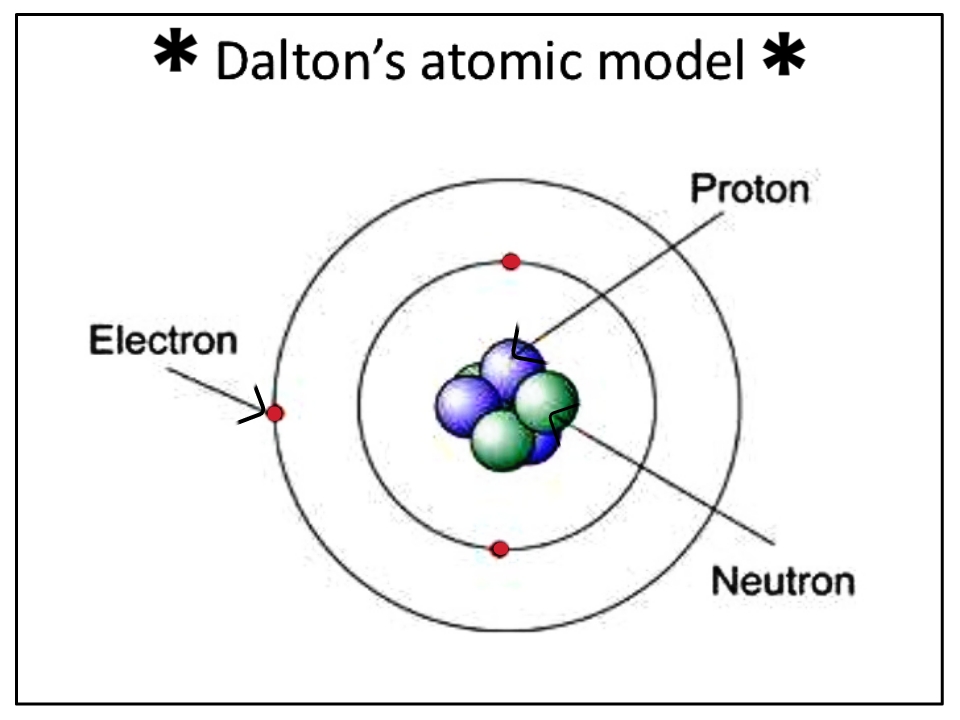 John Dalton’S Original Atomic Theory – BLVB
There's even an atom-themed cocktail. The 'Atomic' cocktail, created by Trader Vic's in the 1950s, is a mix of rum, falernum (a spiced syrup), and lime juice. It's like a taste of the atomic age, served in a glass.
Reflection: Atoms and Us
So, there you have it. John Dalton's Atomic Theory, demystified. It's a simple yet profound concept that's been with us for over two centuries. And it's not just about atoms. It's about understanding the world around us, about breaking things down to their most fundamental level, about finding patterns and connections.
Next time you look at the world, remember that it's made up of atoms. Atoms that are constantly moving, constantly bonding, constantly changing. It's a dance, a symphony, a cosmic ballet. And you're a part of it. So, go on. Dance with the atoms. You're already doing it, one breath, one step, one thought at a time.
