Land For Lease In Alabama For Hunting

Okay, so you’re here because you’ve got that *itch*—the kind that only hunting season scratches. Maybe you’re dreaming of standing in the woods with a rifle (or bow, or shotgu...

Okay, so you’re here because you’ve got that itch—the kind that only hunting season scratches. Maybe you’re dreaming of standing in the woods with a rifle (or bow, or shotgun, or whatever your heart desires), surrounded by the kind of silence that makes you feel like the only human left on Earth. Or maybe you’re just tired of your landlord’s very specific rules about “no hunting” in the backyard. Either way, Alabama’s got your back—literally, if you’re into that kind of thing.
First things first: Alabama’s a hunter’s paradise, and not just because the state’s got more deer than a Walmart parking lot during Black Friday. We’re talking over 1.5 million acres of public hunting land, which is basically a free buffet for anyone who knows where to look. But let’s be real—public land can be a little like dating: crowded, unpredictable, and sometimes you’ve got to fight for the best spots. That’s where private land for lease comes in, like the VIP section of the hunting world.
Why Lease Land Instead of Just Showing Up at Public Spots?
Public land’s great for the casual hunter, but if you’re serious about bagging that trophy buck (or turkey, or whatever’s on your bucket list), leasing private land is like upgrading from a shared Airbnb to your own little hunting cabin. Less competition, more space, and often better access to prime habitat. Plus, you can tell your buddies, “Yeah, this is my spot,” instead of, “Uh, we’re kinda squatting here today.”
Must Read
Another perk? Privacy. Nothing kills the vibe faster than a group of wide-eyed beginners stumbling into your perfect stand. Leased land means you’re the only ones with the keys—literally. And let’s not forget the legal perks: fewer rules, no need to worry about trespassing, and sometimes even access to water sources or food plots that public land doesn’t offer.
Now, before you start imagining a life of luxury with a “Hunters Only” sign out front, let’s talk logistics. Leasing land isn’t like renting an apartment—you’re not getting a mailbox or a landlord who cares if you leave a few bucks’ worth of damage. But if you’re respectful, the landowner might just become your hunting buddy for life.
Where to Find Land for Lease in Alabama
So, how do you actually go about finding this magical hunting land? First, hit up the Alabama Department of Conservation and Natural Resources (ADCNR). They’ve got a hunting lease program that connects landowners with hunters, and it’s basically the Match.com of hunting real estate. You can filter by location, type of game, and even how much you’re willing to spend—because yes, land for lease does cost money.
Pro tip: Facebook groups are your new best friend. Search for things like “Alabama Hunting Leases” or “Deer Hunting Alabama,” and you’ll find landowners posting like it’s a Craigslist for trophy bucks. Just be careful—some of these listings are legit, and some are just people trying to sell you a dream (or a scam). Always ask for references or proof of ownership before you send your hard-earned cash.
Another goldmine? Local hunting clubs and outfitters. These guys know the land like the back of their hand (and probably have a few stories to go with it). Some even offer leases through their memberships, which can be a great way to get started without dealing with the hassle of finding land on your own. Plus, you’ll have a built-in group of hunting buddies—because let’s face it, hunting’s way more fun when you’ve got someone to complain to about the weather.
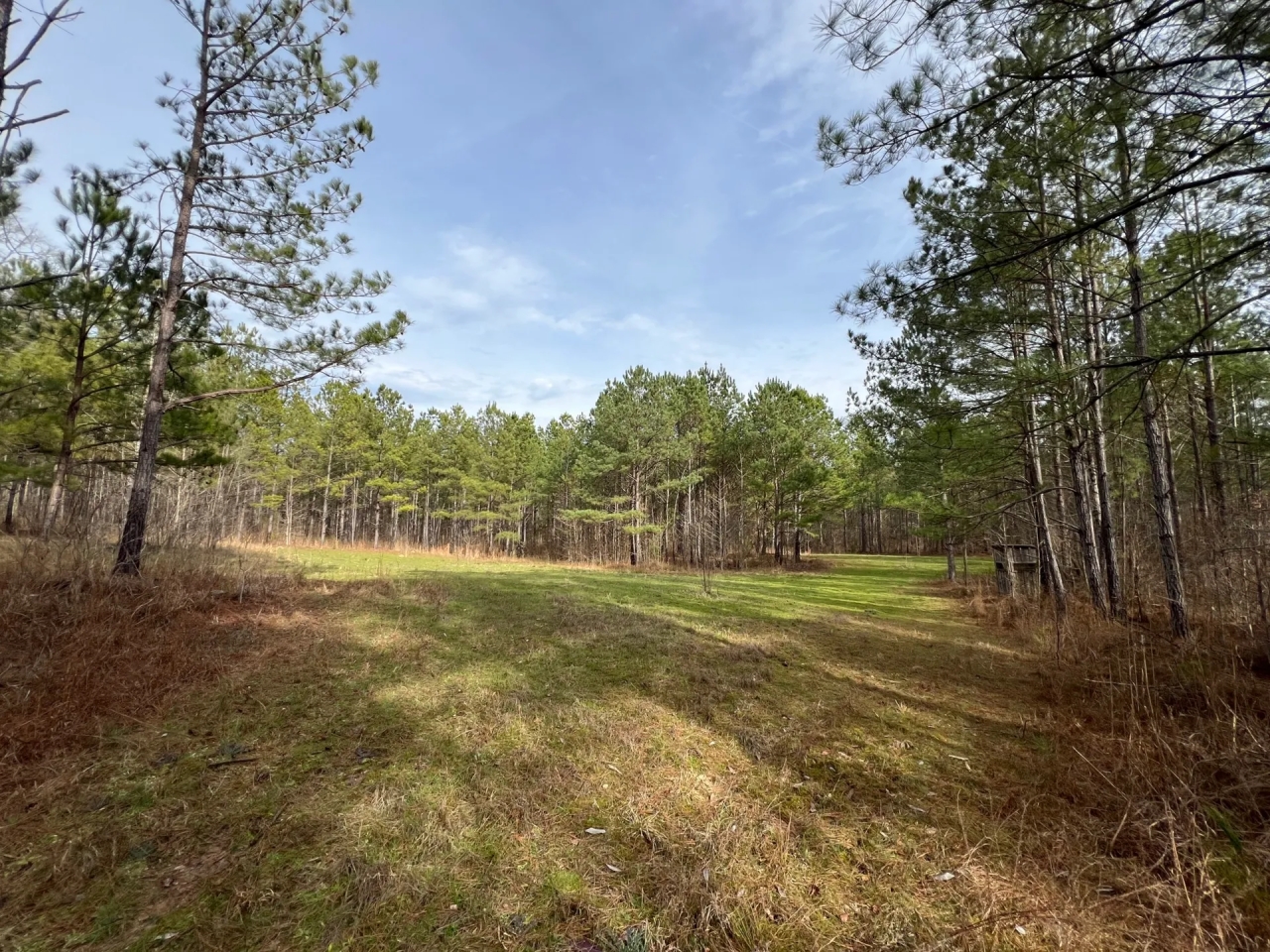 44 - Ac Goodwater Coosa Co AL - Hunting Land for Sale - HuntingLocator
What’s the Deal on Costs?
Okay, so you’re sold—you want your own hunting patch. But how much are we talking here? Well, it depends, just like everything else in life. In Alabama, you’re looking at anywhere from $50 to $500 per year, depending on the location, size of the property, and what kind of game you’re after. Rural areas or less desirable spots might be cheaper, while prime white-tailed deer country in the north or west could run you a pretty penny.
Some landowners charge a flat fee, while others might take a percentage of your harvest—because, let’s be honest, nothing says “thank you” like a nice, legal deer. There are also seasonal leases, which are perfect if you’re only hunting during deer season and don’t want to pay for the whole year. Just make sure you’re clear on what’s included—some leases cover access only, while others might include food plots or even a place to hang your meat.
And here’s a fun fact: some landowners will lease for free if you’re willing to do some work. Think of it like roommates—you clean up after yourself, and they let you crash on their couch (or in their woods). This is great if you’re handy and don’t mind putting in a little elbow grease for your hunting rights.
What to Look for in a Hunting Lease
Not all leases are created equal, so you gotta read the fine print like it’s your ex’s last text. First, make sure the lease covers the seasons you want to hunt. Some places are only good for deer, while others might be better for turkey or waterfowl. You don’t want to show up in duck season and realize you’re stuck with a bunch of rabbits and your own bad luck.
Next, ask about access rules. Can you hunt year-round, or are there restrictions? Are there specific hours you can’t be there? Some landowners have “quiet hours” because, let’s face it, nothing’s more annoying than hearing your neighbor’s shotgun at 6 AM on a Sunday. Also, find out if there are any no-firearm zones—because nothing ruins a good hunt faster than realizing you can’t use your favorite rifle.
 Hunting Leases in the Southeast | AL, FL, GA, Carolinas, & More
And don’t forget to ask about boundaries. You don’t want to show up and realize you’re trespassing on your neighbor’s property because the lease description was a little… vague. A good lease will have clear markers or even a map so you know exactly where you’re allowed to be. Trust me, you don’t want to be that guy who gets caught in a legal gray area.
The Huntin’ Life: What to Expect
Once you’ve got your lease, it’s time to get out there and make it happen. But before you start dreaming about your first trophy, let’s talk about what actually goes into leasing land. First, you’ll probably need to meet the landowner. This isn’t just a handshake deal—you’re entering into a relationship, and relationships require trust. Bring a gift (a six-pack, a nice bottle of whiskey, or a heartfelt apology for all the times you’ve ruined family gatherings with hunting stories) to sweeten the deal.
Next, respect the land. This isn’t your backyard, and you’re a guest. That means no littering, no damaging property, and definitely no setting fires (unless it’s a controlled burn, and even then, check with the landowner first). Leave it better than you found it, and you’ll have a landowner who’s happy to lease to you year after year.
And finally, be prepared. Leasing land doesn’t mean you get a free pass on gear or knowledge. You still need to know how to hunt, where to set up stands, and how to track game. If you’re new to leasing, consider taking a few hunting classes or shadowing a more experienced hunter. There’s a reason they say “hunting is a lifestyle”—it’s not just about pulling the trigger; it’s about patience, respect, and a whole lot of coffee.
So, are you ready to take the plunge? Alabama’s got some of the best hunting land in the country, and with a little effort, you could have your own slice of paradise. Just remember: the best leases aren’t just about the land—they’re about the people who let you hunt it. And if you treat them right, they’ll treat you like family. Now go on, get out there and make some memories (and maybe a few trophies).
