Select Cells A2 A6 And Name The Range Cities

So, there I was, staring at my spreadsheet, feeling like a kid in a candy store. I mean, who wouldn't be excited? I had data, I had cells, and I was ready to make some magic h...
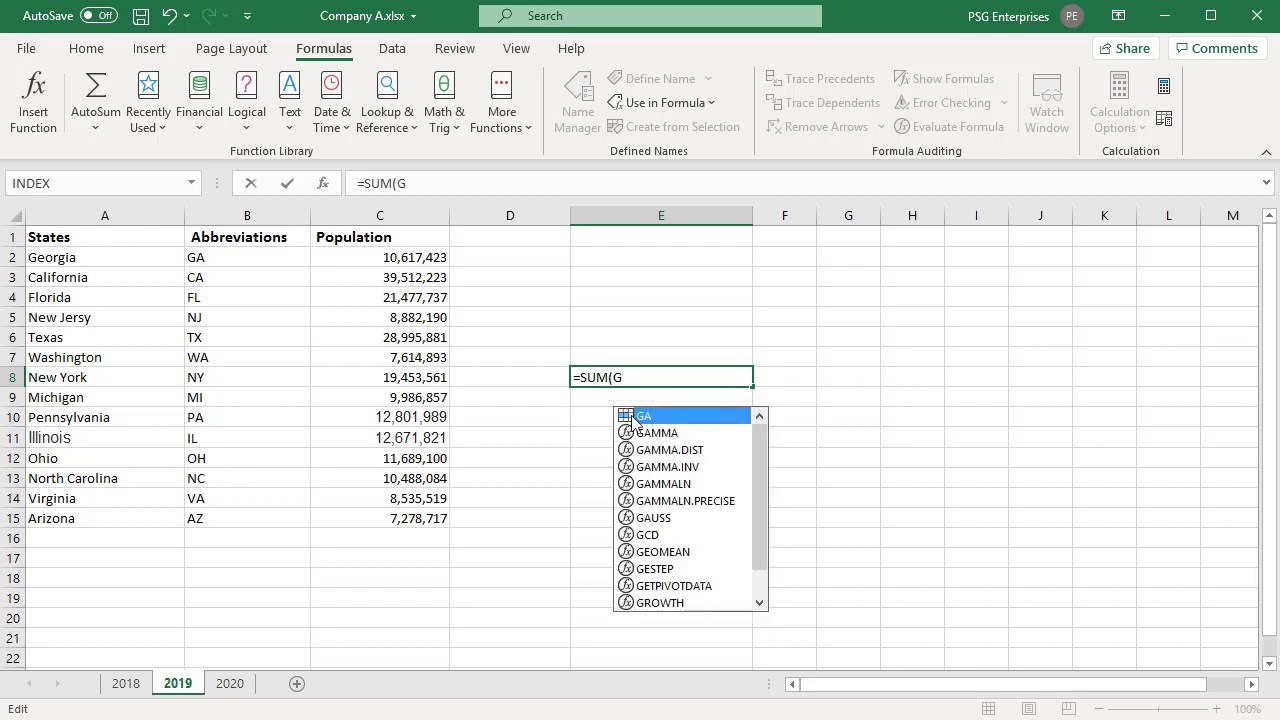
So, there I was, staring at my spreadsheet, feeling like a kid in a candy store. I mean, who wouldn't be excited? I had data, I had cells, and I was ready to make some magic happen. But then, I hit a snag. I needed to select a range, but the cells I wanted were all over the place. A2, A6, you name it. I felt like I was playing a game of whack-a-mole, trying to select them one by one. That's when it hit me - there must be a better way!
Enter: Named Ranges
Imagine you're in a big library, but instead of books, it's filled with spreadsheets. You want to find a specific book, but you don't know where it is. You could spend hours searching, or you could ask the librarian, "Where's the book on 'Named Ranges'?" See where I'm going with this?
Named ranges are like giving your cells a nickname. It makes it easier to find them, and it's a whole lot faster than trying to select cells one by one. So, let's dive in and see how we can do this.
Must Read
How to Name a Range
Alright, let's get our hands dirty. In Excel, select the cells you want to name (in my case, A2 and A6). Then, click in the 'Name Box' at the top-left of your spreadsheet, where it says 'A2' or 'A6'. Type in a name for your range, like 'Cities'. Hit enter, and voila! You've just named your range.
Now, whenever you want to select these cells, just type 'Cities' in the Name Box, and bam! They're selected. Isn't that neat?
Using Named Ranges in Formulas
But wait, there's more! Named ranges aren't just for selecting cells. They're also a lifesaver when it comes to formulas. Let's say you want to find the average of your 'Cities' range. Instead of typing '=AVERAGE(A2:A6)', you can type '=AVERAGE(Cities)'. See how much easier that is?
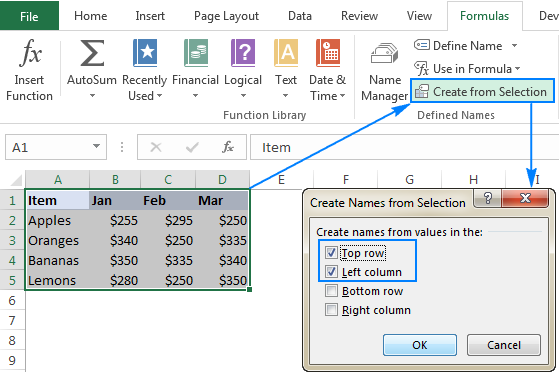 Excel Named Cells Reference – Excel dynamic named range: how to create
And here's a little tip for you. If you're using named ranges in a formula, and you want to copy that formula to other cells, just make sure to use absolute references (like $Cities). That way, the name of the range stays the same, no matter where you paste the formula.
Managing Named Ranges
Now, you might be thinking, "This is great, but what if I have a lot of named ranges? How do I keep track of them all?" Well, Excel has a handy little tool called the 'Name Manager'. You can find it by clicking on 'Formulas' in the ribbon, then 'Name Manager'.
Here, you can see a list of all your named ranges, change their names, or even delete them if you want. It's like having your own personal librarian, keeping everything organized.
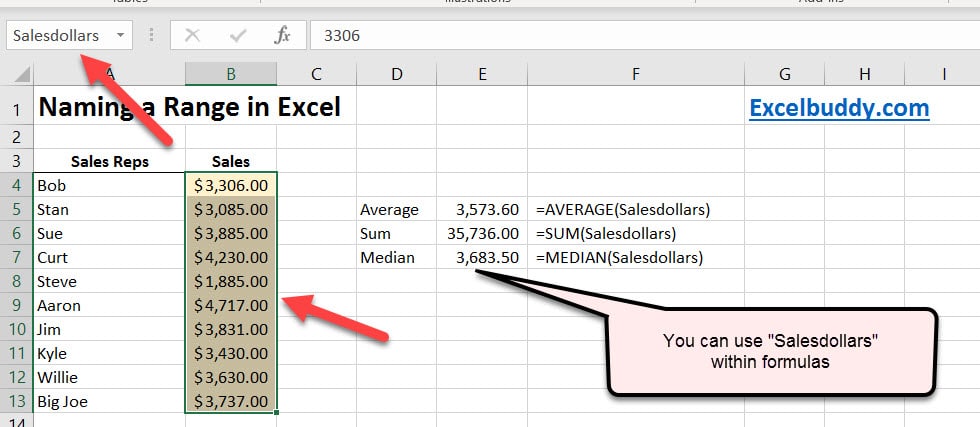 Named Ranges Excel – Excel Named Ranges – BTLQB
Named Ranges and Data Validation
Here's another cool trick. You can use named ranges with data validation. Let's say you want to make sure people only enter certain cities in a cell. You can use a named range like 'Cities' to create a drop-down list of options. No more typos, no more wrong entries. It's like having a little guardian angel watching over your data.
To do this, select the cell where you want the data, then click on 'Data' in the ribbon, then 'Data Validation'. In the 'Settings' tab, under 'Allow', choose 'List'. Then, under 'Source', type in your named range (like 'Cities'). Click 'OK', and now you've got a drop-down list!
Final Thoughts
So there you have it. Named ranges might seem like a small thing, but they can make a big difference when you're working with spreadsheets. They're like giving your data a voice, making it easier to find, use, and understand. And who knows? You might even start naming other things in your life. "Hey, that's my 'Favorite Coffee' mug!"
Anyway, I hope this helps. Happy spreadsheeting!
