Should Prime Minister Be Capitalized

Ever wondered why some words in a sentence seem to stand out more than others? Like, why do we capitalize certain titles, but not others? It's like they're shouting at us, "He...

Ever wondered why some words in a sentence seem to stand out more than others? Like, why do we capitalize certain titles, but not others? It's like they're shouting at us, "Hey, look over here!" But why? Let's dive into the world of capitalization, specifically, should we capitalize 'Prime Minister'? Grab a cuppa, let's chat.
When in Doubt, Check the Style Guide
You know how some people have a favorite color, or a lucky number? Well, in the world of writing, there are style guides. They're like the fairy godmother of writing, offering guidance on everything from punctuation to capitalization. The most famous ones are AP (Associated Press) and Chicago (University of Chicago Press).
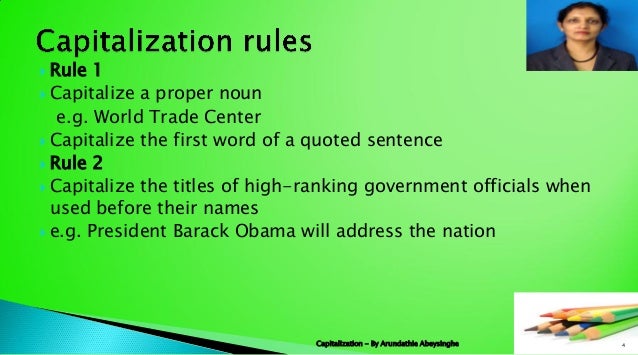
So, let's ask them: Should 'Prime Minister' be capitalized? The answer, my friend, is blowing in the wind. Or rather, it depends. Both AP and Chicago styles agree that when used as a title before a name, it's capitalized. But when it's just a job description, no caps needed. Confused yet? Let's make it clearer with a fun example.
Must Read
Capitalization: The Name Game
Imagine you're at a party, and someone introduces you to the Prime Minister. You'd probably say, "Nice to meet you, Prime Minister Johnson." See that? 'Prime Minister' is capitalized because it's a title, just like 'Doctor' or 'Professor'. It's like their superpower, identifying them as the head of government.
But now, imagine you're talking about the role in general. You might say, "I wonder what the prime minister thinks about this." Here, 'prime minister' is not capitalized because it's just a job title, not a specific person's title. It's like saying 'teacher' or 'nurse'.
Think of it like this: Capitalization is like a name tag. When you're wearing it, you're special, you stand out. But when you're not, you're just part of the crowd. And that's okay! It's all about context, baby.
 PPT - Capitalization PowerPoint Presentation, free download - ID:5773193
But Why Does It Matter?
You might be thinking, "Who cares? It's just a letter, right?" Well, yes and no. Capitalization is like a secret language, a silent way of communicating. It can change the meaning of a sentence, or emphasize a word. It's like using italics or bold text, but with letters.
For instance, consider these two sentences: "I went to the store" and "I went to the Store." Both mean the same thing, right? But the second one implies that the Store is special, maybe it's a fancy store, or you're talking about a specific one. That's the power of capitalization, folks.
So, when you capitalize 'Prime Minister', you're giving it importance, making it stand out. It's like giving it a spotlight in the sentence. And that, my friends, is why it matters.
Let's Not Forget About Consistency
You know what's worse than not capitalizing 'Prime Minister'? Capitalizing it inconsistently. Imagine reading a book where 'prime minister' is sometimes capitalized, sometimes not. It's like a rollercoaster of capitalization, and it's confusing, right?
 Is President Capitalized? | Should “President” and “Prime Minister” Be
That's why consistency is key. Pick a style guide, stick to it, and your writing will be as smooth as butter. It's like finding your writing tribe, and they've got your back on capitalization. Isn't that cool?
So, Should 'Prime Minister' Be Capitalized?
Well, we've established that it depends. When it's a title, yes, capitalize it. When it's just a job description, no. Easy peasy, right?
But remember, the most important thing is to be consistent. Whether you're writing a novel, a blog post, or a grocery list, stick to your style guide. Your readers will thank you, and your writing will be as clear as a sunny day.
And there you have it, folks. Capitalization is like a secret superpower, giving words importance, changing the meaning of sentences. So, the next time you're writing, remember: Capitalize with care, and consistency is key. Now go forth, and write with confidence!
