Simple Definition Of Checks And Balances

Checks and Balances: The Political Dance-off Imagine you're at a party, and your friend, let's call them Power-hungry Pete, starts acting like they're the only one who can de...
Checks and Balances: The Political Dance-off
Imagine you're at a party, and your friend, let's call them Power-hungry Pete, starts acting like they're the only one who can decide what music to play, who gets a drink, and who has to do the dishes. Now, you wouldn't stand for that, right? You'd want to make sure Pete doesn't get too big for their boots. That, my friend, is where checks and balances come in, not just in parties, but in politics too.
Checks and Balances: The Party Game
In the political world, checks and balances are like the rules of the game that stop any one person or group from becoming too powerful. It's like having a few DJ's at the party, each with their own playlist, so no one can hog the music all night. In many countries, the government is divided into different parts, like the Executive, Legislative, and Judicial branches, and each has its own role and power.
Here's a simple breakdown:
Must Read
- Executive: This is like the party host. They make decisions and enforce laws. In many places, this is the President or Prime Minister and their team.
- Legislative: These are the DJs who pick the music, or in this case, the laws. They're usually elected by the people and have the power to create, change, or cancel laws.
- Judicial: They're the party's bouncers, making sure everyone follows the rules. They interpret laws and decide if they've been broken.
How They Check and Balance
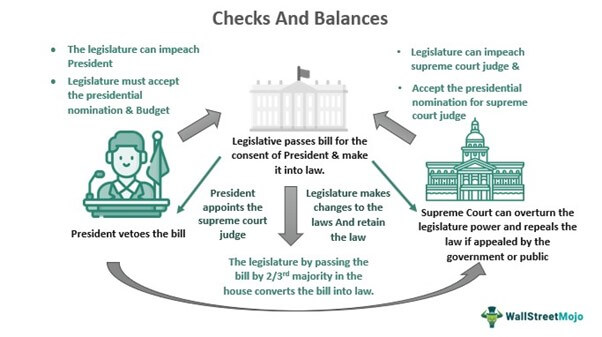
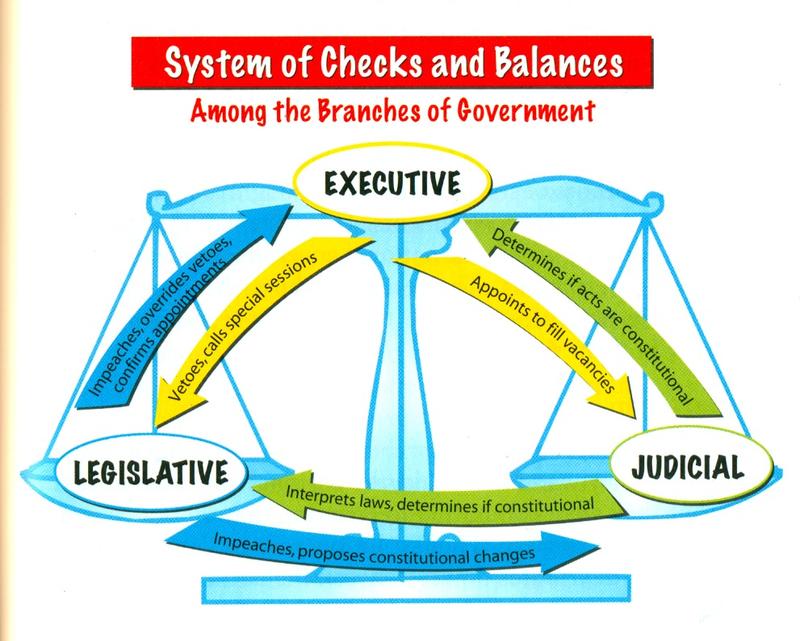
Now, you might think, "Well, that's all well and good, but what's stopping one of these branches from becoming a power-hungry Pete?" That's where the checks and balances come in. Each branch has the power to check the others, meaning they can limit or stop them from doing something. Here's how:
- Executive can veto laws made by the Legislative branch, meaning they can stop them from becoming a law.
- The Legislative can impeach or remove the Executive from power if they do something wrong. They can also override a veto with a big enough majority.
- The Judicial can declare laws made by the Legislative unconstitutional, meaning they can't be enforced. They can also review decisions made by the Executive.
And there you have it! Checks and balances are like the party's referees, making sure everyone plays fair and no one gets too big for their boots. It's a delicate dance, but it's what keeps the political world spinning.
 Checks and Balances - US Government - FREE Lesson Plans & Games for Kids
Now, I'm not saying it's a perfect system. Parties and politics can get messy, just like any party. But having these checks and balances in place helps keep things in check and makes sure no one's running the show solo.
So, the next time you hear about politics, remember the party analogy. It's not just about who's in charge, but also about who's checking and balancing.
