Statistics On Mental Health And Social Media

Mind Your Scroll: A Swipe Through Mental Health and Social Media Ever felt like your Instagram feed is a never-ending stream of highlight reels, leaving you feeling, well, le...

Mind Your Scroll: A Swipe Through Mental Health and Social Media
Ever felt like your Instagram feed is a never-ending stream of highlight reels, leaving you feeling, well, less than? You're not alone. A 2021 study by the Royal Society for Public Health found that Instagram, Facebook, and Snapchat are linked to increased feelings of anxiety, depression, and poor sleep. But before you hit 'delete' on all your apps, let's dive into the stats, bust some myths, and find out how we can use social media to boost, not bust, our mental health.
Swipe Left on the Myths
First things first, let's debunk the myth that social media is all doom and gloom. A 2020 Pew Research Center survey found that 40% of Americans say social media has had a mostly positive impact on their lives. So, it's not all bad news. But, like that one friend who always posts about their amazing vacations, it's important to remember that what we see online is often a highlight reel.
Moreover, it's not just about what we see, but also how we use these platforms. A 2019 study published in the Journal of Social and Clinical Psychology found that limiting social media use to 30 minutes a day significantly improved well-being. So, it's not the apps themselves, but how much time we spend on them that matters.
Must Read
Follow the Hashtags to Better Mental Health
But it's not all doom and gloom. Social media can also be a powerful tool for mental health. The same Royal Society for Public Health study found that platforms like Instagram and Twitter can be useful for accessing support and information. Hashtags like #MentalHealthAwareness, #MentalIllnessFeelsLike, and #YouAreNotAlone have created online communities where people can share their experiences and find support.
Take the #InstagramvsReality movement, for example. It started as a way to challenge the perfect images often posted on Instagram, encouraging users to share their real, unfiltered lives. It's a reminder that we're all human, and that's okay.
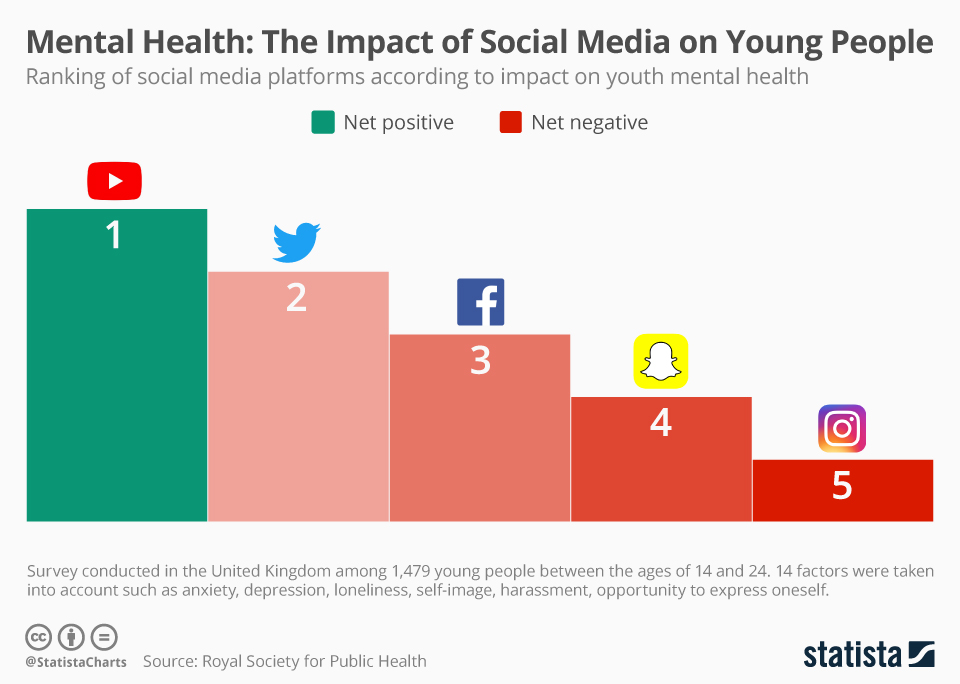 Chart: Mental Health: The Impact of Social Media on Young People | Statista
Likes, Comments, and Shares: The Dopamine Dilemma
But here's where it gets tricky. Those likes, comments, and shares? They release dopamine, the 'feel-good' hormone, in our brains. It's the same mechanism that's activated when we eat chocolate or win at poker. The problem is, it's a fleeting high. We're constantly chasing that next hit, leading to endless scrolling and, often, feelings of inadequacy.
So, what's the solution? It's not about quitting cold turkey (though that might be the answer for some). It's about finding a balance, setting boundaries, and using social media in a way that serves us, not the other way around.
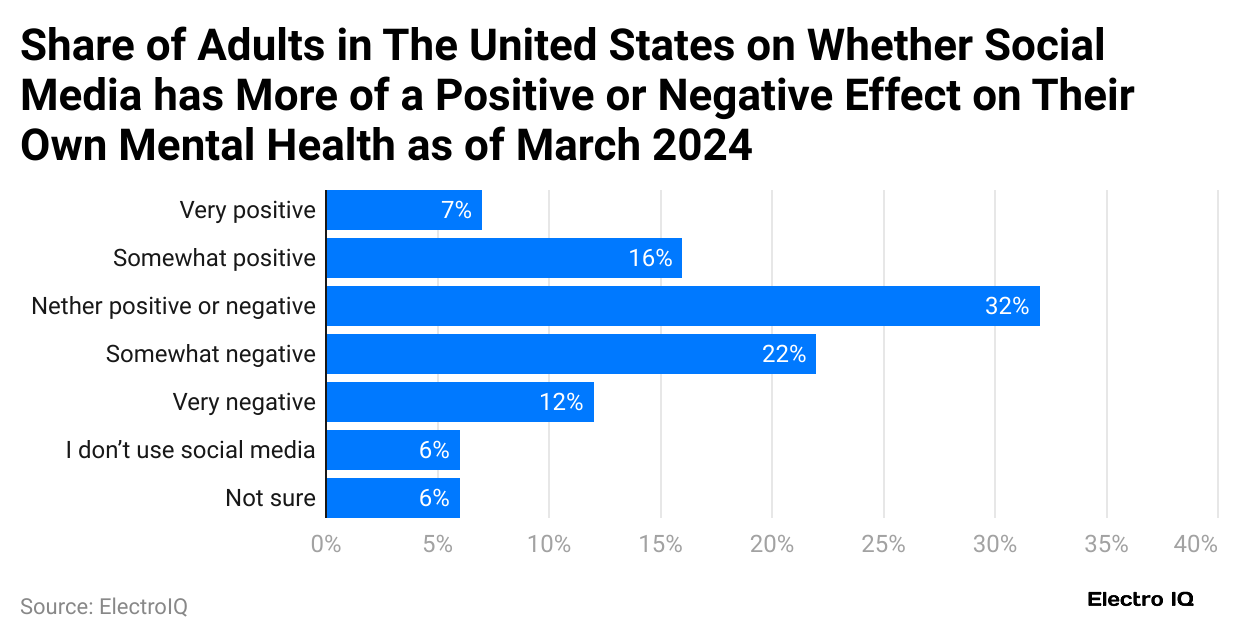 Social Media Mental Health Statistics By Age and Facts (2025)
Practical Tips for a Healthier Social Media Habit
Here are a few tips to get you started:
- Set Boundaries: Use your phone's built-in screen time features to set daily limits. Or, try the 'Forest' app, which encourages you to stay off your phone by growing a virtual tree.
- Curate Your Feed: Unfollow accounts that make you feel bad about yourself. Follow more accounts that inspire you, make you laugh, or share valuable information.
- Take Breaks: Try a social media detox once a week. Use that time to connect with people IRL (in real life), read a book, or just enjoy some peace and quiet.
- Engage, Don't Just Scroll: When you do use social media, engage with the content. Comment, share, and connect. It's not just about the likes.
Reflecting on Our Scroll
At the end of the day, social media is a tool. It's up to us to use it in a way that serves our mental health, not harms it. So, the next time you reach for your phone, pause. Ask yourself, 'Is this serving me right now?' If the answer is no, put it down. Your mental health will thank you.
And remember, you're not alone. We're all in this together, scrolling, liking, and sharing our way through life. So, let's make sure we're using these tools to lift each other up, not tear each other down.
