Turn Off Chrome Hardware Acceleration

Ever felt like your computer's been on a diet, and it's not the good kind? Like it's all skin and bones, but no muscle to push those pixels around? That's where Chrome's hardw...

Ever felt like your computer's been on a diet, and it's not the good kind? Like it's all skin and bones, but no muscle to push those pixels around? That's where Chrome's hardware acceleration comes in, and it's time we had a little chat about it.
What's the Deal with Hardware Acceleration?
Imagine you're at a bustling café, and the barista's making your coffee. Now, they could do it the old-fashioned way, grinding beans, boiling water, and pouring it all by hand. But that'd take ages, right? So, they use a fancy espresso machine to speed things up. That's kind of what hardware acceleration does for your Chrome browser.
When you're browsing the web, your computer's CPU and GPU are like the barista and the espresso machine. The CPU does the heavy lifting, like running complex calculations and managing your browser's operations. The GPU, on the other hand, is like the espresso machine - it's great at handling graphics-intensive tasks, like rendering videos or animations.
Must Read
Hardware acceleration is like telling the barista to use the espresso machine for every coffee. It's Chrome's way of saying, "Hey, GPU, you're great at graphics, so let's use you for that, and you, CPU, handle the rest." It's a win-win, making your browsing experience smoother and faster.
So, Why Turn It Off?
Now, you might be thinking, "Sounds great! Why would I ever want to turn it off?" Well, imagine our barista friend decided to use the espresso machine for everything, even grinding beans and boiling water. It'd be a disaster, right? That's kind of what can happen with hardware acceleration.
Sometimes, Chrome might get a bit too enthusiastic and ask the GPU to handle tasks it's not great at. This can lead to issues like increased CPU usage, glitches, or even crashes. It's like asking your espresso machine to make your breakfast - it might not end well.
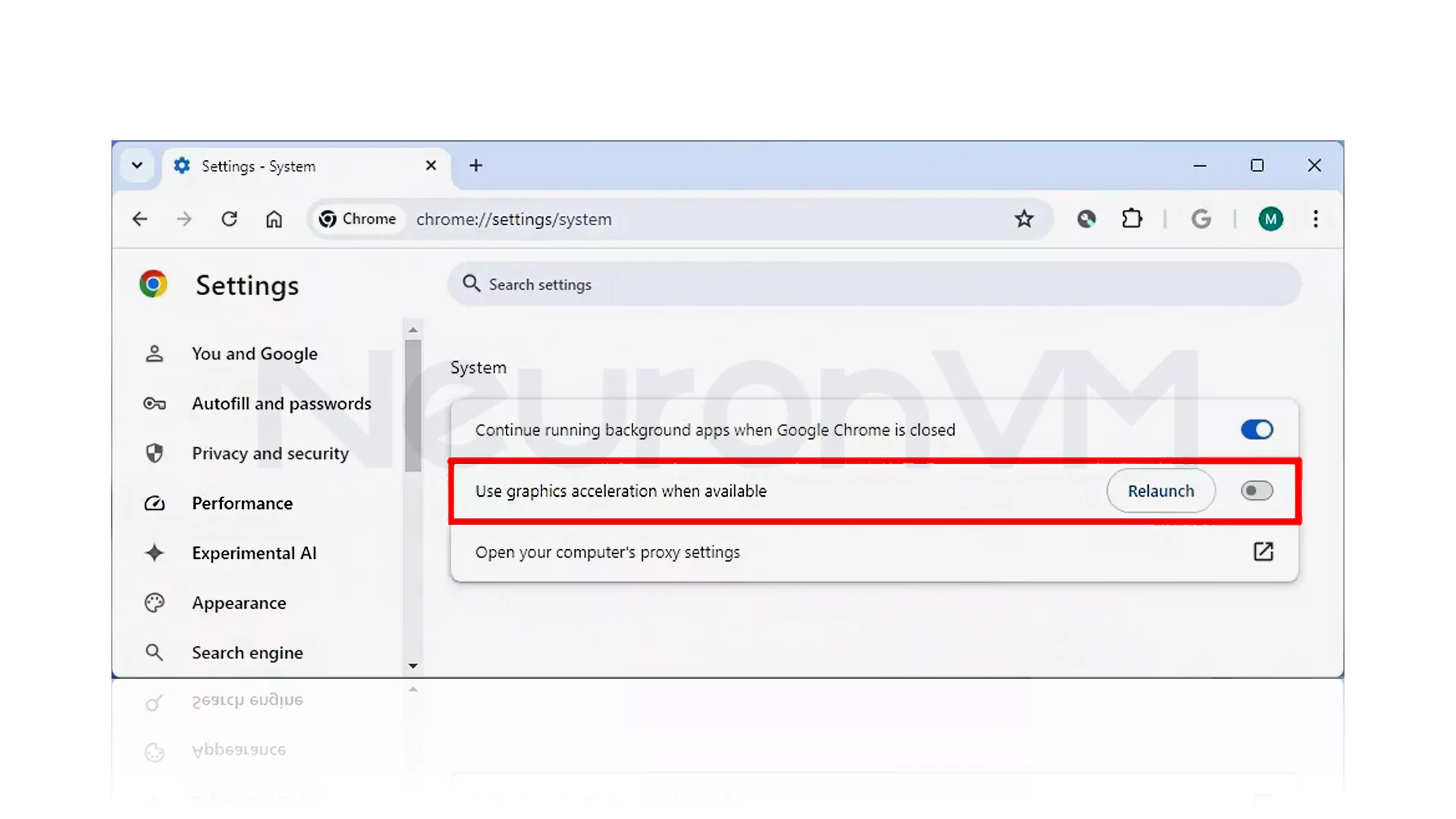 How to Disable and Turn off Hardware Acceleration Chrome
Plus, if you're using an older or less powerful computer, your GPU might not be up to the task. It's like asking a tiny espresso machine to keep up with a crowd of coffee-lovers - it's just too much.
When Should You Turn It Off?
So, when should you consider turning off hardware acceleration? Here are a few signs:
- High CPU Usage: If you notice your CPU usage spiking while browsing, even when you're not doing anything too intense, it might be a sign that Chrome's overworking your GPU.
- Glitches or Crashes: If you're seeing weird visual glitches or Chrome's crashing more often than usual, it might be time to give your GPU a break.
- Old or Low-Powered Hardware: If your computer's a bit long in the tooth or not exactly a powerhouse, it might struggle with hardware acceleration. In that case, turning it off could help keep things running smoothly.
How to Turn It Off
Alright, convinced? Here's how to turn off hardware acceleration in Chrome:
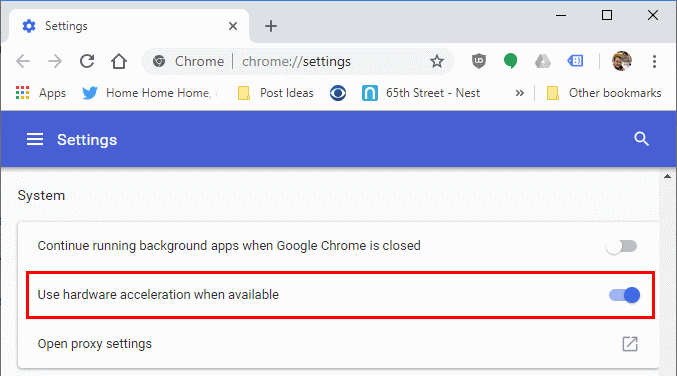 Chrome: Enable/Disable Hardware Acceleration
- Click on the three dots (⋮) in the top-right corner of your Chrome window.
- Go to Settings.
- Scroll down and click on Advanced.
- Under System, turn off the toggle next to Use hardware acceleration when available.
And that's it! Your browser will now rely less on your GPU, hopefully leading to a smoother, more stable browsing experience.
But What About Performance?
You might be worried about turning off hardware acceleration and losing some of that speedy performance. But don't fret! Chrome's still got plenty of other tricks up its sleeve to keep things running smoothly. Plus, if you find that turning it off doesn't make a difference, you can always turn it back on.
Remember, it's all about finding the right balance. Just like our barista friend, Chrome needs to know when to use the espresso machine and when to stick to the old-fashioned way. And sometimes, that means turning off hardware acceleration.
So, next time you're having trouble with Chrome, give it a try. You might just find that turning off hardware acceleration is the secret ingredient your browser's been missing.
