What Are The Documents And Data On Iphone

So, you've just upgraded to the latest iPhone, huh? Congrats! You're now the proud owner of a sleek, shiny, and smart piece of technology that's basically a mini-computer in y...
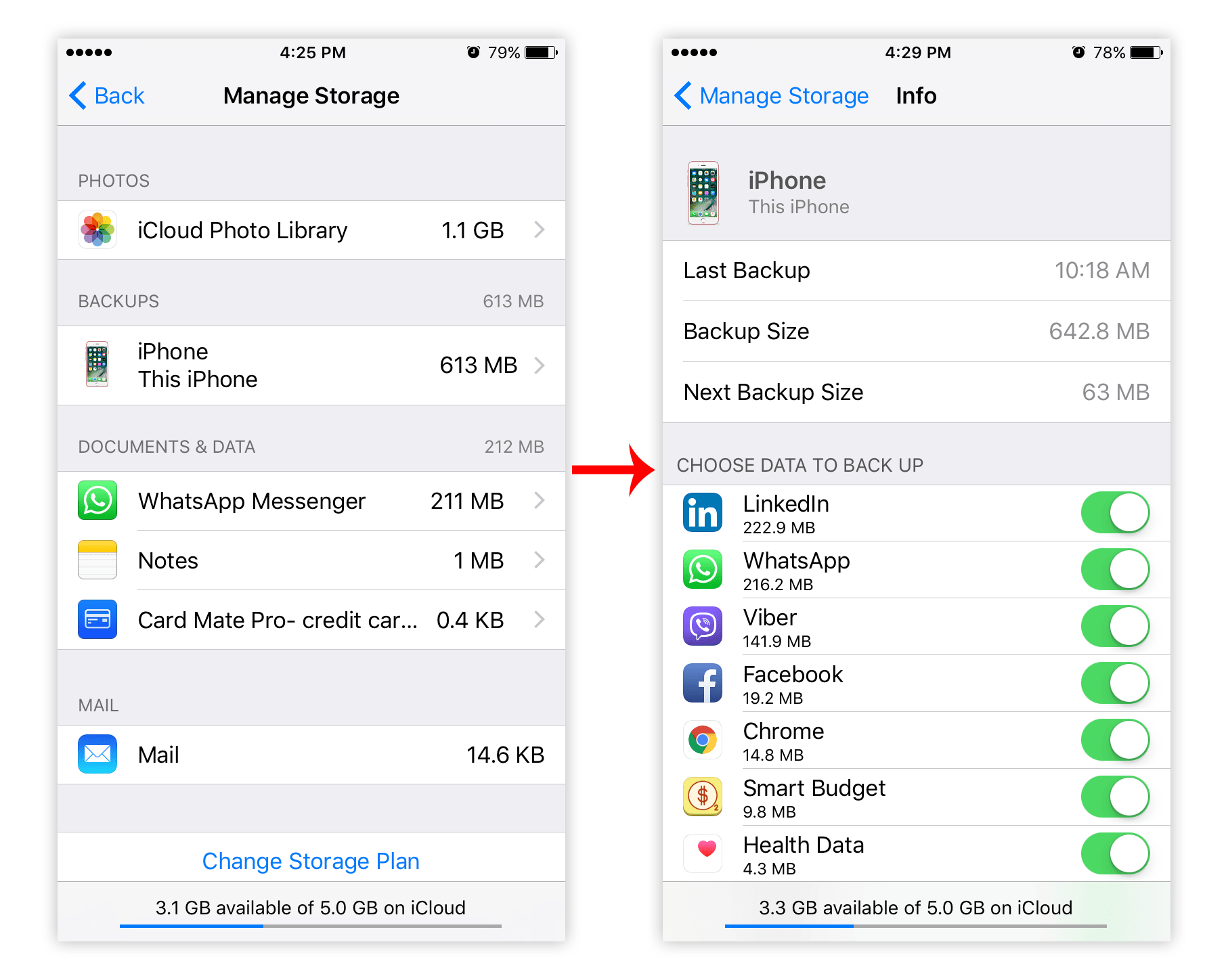
So, you've just upgraded to the latest iPhone, huh? Congrats! You're now the proud owner of a sleek, shiny, and smart piece of technology that's basically a mini-computer in your pocket. But have you ever stopped to think about what exactly is lurking inside that fancy device? I'm not talking about the tech specs here, but the documents and data that make your iPhone, well, you.
Let me set the scene. Imagine you're at a friend's house, and they hand you their iPhone to show you something. As you're scrolling through their photos, you accidentally stumble upon a, shall we say, compromising selfie. Suddenly, you're wishing you'd paid more attention to that 'Privacy' setting you kept ignoring. Sound familiar?
Alright, let's get serious now. Your iPhone stores a treasure trove of information about you - from your contacts and photos to your browsing history and app data. It's like your digital brain, and it's crucial to understand what's in there and how to protect it.
Must Read
Contacts: Your Digital Address Book
Let's start with the basics. Your iPhone's Contacts app is like the digital version of that old-school address book your grandma used to have. It stores all the names, numbers, emails, and even social media profiles of the people you know. But here's the thing: this data is syncable. That means it's not just stuck on your iPhone; it's also backed up to iCloud and can be accessed from any other Apple device you own.
Now, I'm not saying you should go paranoid and start deleting contacts willy-nilly. But it's a good idea to keep an eye on who's in there and what information you're sharing. You can manage your contacts and their permissions in the Settings app. Just tap on 'Contacts' and you'll see what I mean.
Photos: A Picture's Worth a Thousand Words (And a Lot of Storage)
Next up, we have photos. Your iPhone's camera roll is like a digital scrapbook of your life. It's got selfies, group shots, landscapes, food pics - you name it. But did you know that every time you snap a photo, your iPhone also stores a ton of metadata with it? That's tech-speak for 'extra information'. It can include things like the date, time, and location the photo was taken, as well as any adjustments you made with the editing tools.
Here's where it gets interesting: some apps can access this metadata. So, if you're not careful, they could potentially use it to track your movements or invade your privacy. Scary, right? Don't worry, though. You can control which apps have access to your photos and their data in the Privacy settings. Just scroll down to 'Photos' and take a look.
 Free Ways to Delete Documents and Data on iPhone in iOS 26
Browsing History: The Trail You Leave Behind
Now let's talk about your browsing history. Every time you surf the web on your iPhone, you're leaving a trail of data. This includes the sites you visit, the searches you make, and even the links you click on. Your iPhone stores this information to make your browsing experience smoother (like remembering passwords and autofilling forms), but it can also be used to track your online activity.
If you're not comfortable with that, you can clear your browsing history in the Safari app. Just tap on the bookmarks icon, then 'History', and you'll see an option to clear it. You can also set Safari to ask for your permission before it starts tracking your activity. It's under the 'Privacy & Security' settings, in case you were wondering.
App Data: The Shadowy World of Permissions
Finally, let's talk about app data. Every app you download on your iPhone collects and stores some kind of data. Some of it is useful - like your high score in that addictive game you can't stop playing. But other data can be more sensitive, like your location, contacts, or even your browsing history.
Here's where things get a bit tricky. Apps often ask for permission to access this data, but they don't always make it clear why they need it or what they're going to do with it. It's up to you to decide whether to grant or deny these permissions. You can manage them in the Privacy settings, under the specific type of data (like Location Services, Contacts, or Calendars).
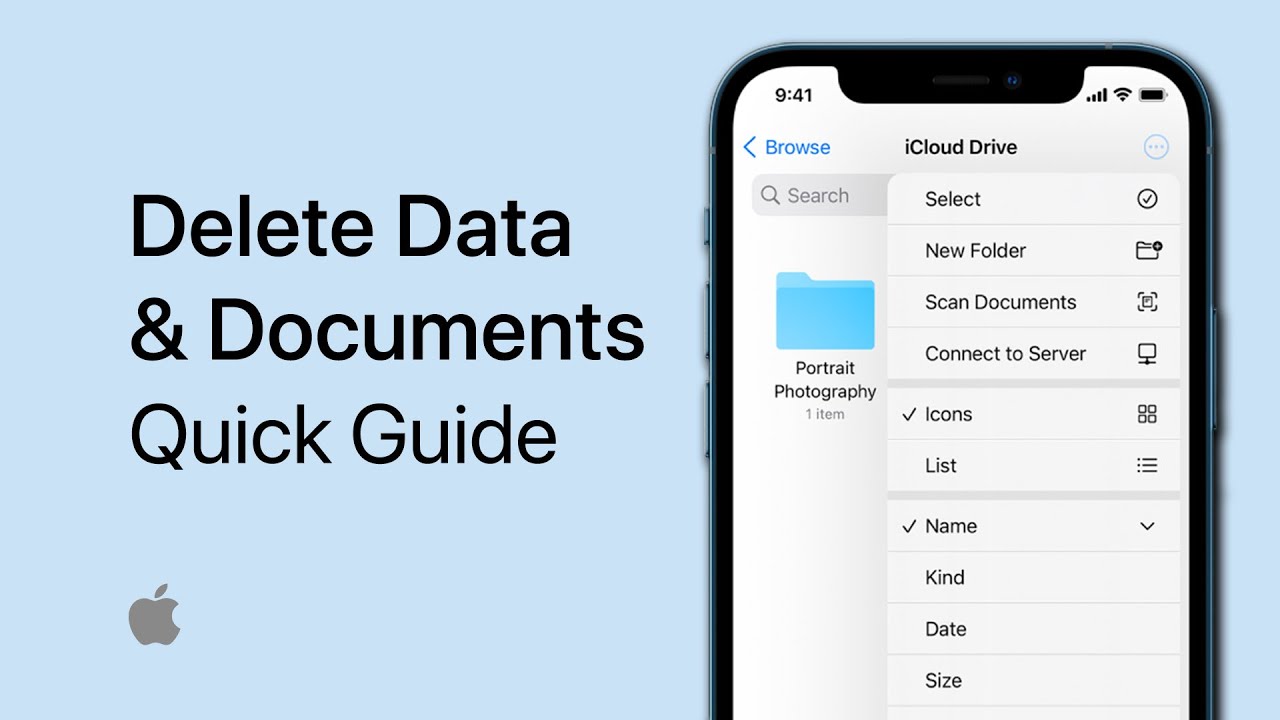 How To Delete Documents & Data on iPhone - YouTube
Remember, it's always a good idea to only grant permissions that you're comfortable with. If an app is asking for more data than it needs to function, it might be a red flag. Trust your instincts, and don't be afraid to say no.
The Bottom Line: You're In Control
So there you have it - a whirlwind tour of the documents and data lurking inside your iPhone. It might seem a bit overwhelming at first, but here's the thing: you're in control. Your iPhone gives you the power to manage what's stored on it and who has access to that information.
Just remember to take the time to understand what's going on under the hood. Check your settings regularly, and don't be afraid to adjust them if something doesn't feel right. Your digital privacy is too important to leave to chance.
Now, go forth and conquer your iPhone. And maybe, just maybe, avoid that friend's house for a while. You know, just in case.
