What Are The Three Domains In Taxonomy

Ever wondered why we categorize things? It's not just for fun or to make life easier (though it does that too). It's because we humans are curious creatures, always seeking to...
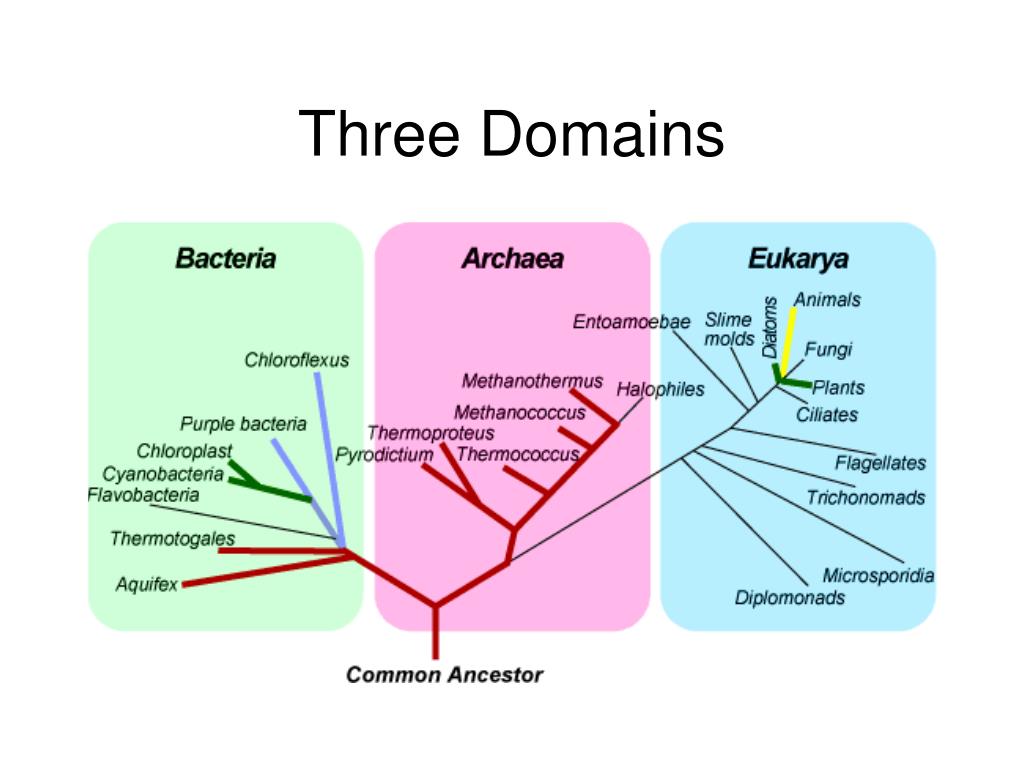
Ever wondered why we categorize things? It's not just for fun or to make life easier (though it does that too). It's because we humans are curious creatures, always seeking to understand the world around us. Enter taxonomy, the science of naming and classifying things. And guess what? It's not just about plants and animals. No, no, no. It's a whole universe of domains, and today, we're diving into the big three.
Domain 1: Archaea
Let's start with the ancient ones, the Archaea. These guys are like the original hipsters of the microbial world. They've been around since the dawn of time, long before bacteria and eukaryotes (that's us, by the way) showed up to the party.
Now, you might be thinking, "Why should I care about some ancient microbes?" Well, let me tell you, these guys are tough. They can survive in extreme conditions that would make your average bacterium say, "Nope, not today." We're talking about places like hot springs, acidic lakes, and even deep-sea vents. They're like the superheroes of the microbial world, each with their own unique power, from resisting extreme heat to thriving in super salty environments.
Must Read
Fun fact: Some Archaea can even convert carbon dioxide into methane. That's right, they're like tiny, tiny farting machines, helping to regulate our atmosphere. Isn't that something?
Domain 2: Bacteria
Next up, we have the bacteria. These guys are everywhere. They're in our guts, on our skin, and even in our water supply. They outnumber us humans by a factor of ten to one. That's right, for every one of us, there are ten of them. Talk about a bacterial takeover!
But don't worry, most bacteria are harmless, and some are even beneficial. Take Lactobacillus, for example. It's the bacteria that turns milk into yogurt. Or what about the bacteria in our gut that helps us digest food? Without them, we'd be in a world of hurt. Literally.
 PPT - Ch 10 PowerPoint Presentation, free download - ID:1885953
Now, you might be thinking, "But what about the bad bacteria? The ones that make us sick?" Well, that's where antibiotics come in. But here's a tip: don't go overusing them. We need to keep those good bacteria around, and overuse of antibiotics can lead to antibiotic resistance. That's when bacteria become immune to the drugs we use to kill them. Not good.
Domain 3: Eukarya
Finally, we have the domain we're most familiar with: Eukarya. That's us, folks. But it's not just humans. It's also plants, animals, fungi, and protists. These are the organisms with complex cells, the ones that can reproduce sexually, and the ones that can be seen with the naked eye.
Now, you might be thinking, "I already knew about plants and animals. What's a protist?" Well, protists are a diverse group of single-celled eukaryotes. They're like the misfits of the eukaryotic world, not quite fitting into any other group. Some are plant-like, some are animal-like, and some are just plain weird. Like the amoeba, for example. It's a single cell that can change shape and move around. It's like a tiny, living blob.
 PPT - Ch 10 Taxonomy and Classification PowerPoint Presentation, free
Fun fact: Did you know that the largest organism on Earth is a fungus? That's right, it's not a blue whale or a sequoia tree. It's a fungus called the "Humongous Fungus" in Oregon's Blue Mountains. It covers 2,384 acres and is over 2,400 years old. Now that's what you call a mushroom party.
So, What Does This Mean for Us?
Taxonomy might seem like a dry, academic subject, but it's actually pretty relevant to our daily lives. Understanding the three domains of life helps us understand how the world works, from the tiny microbes in our guts to the giant fungi in the forests. It helps us appreciate the diversity of life on Earth and the interconnectedness of all living things.
So next time you're enjoying a nice, cold glass of yogurt, remember the bacteria that made it possible. Or when you're out for a walk in the park, think about the fungi beneath your feet, helping to break down dead plants and recycle nutrients. And who knows, maybe you'll even start to see the world a little differently. After all, we're all just tiny specks in the grand tapestry of life.
