What Does Hardware Acceleration Do In Chrome

Ever wondered what's under the hood of your Chrome browser, making it zip along like a well-oiled machine? One of its secret weapons is something called hardware acceleration....
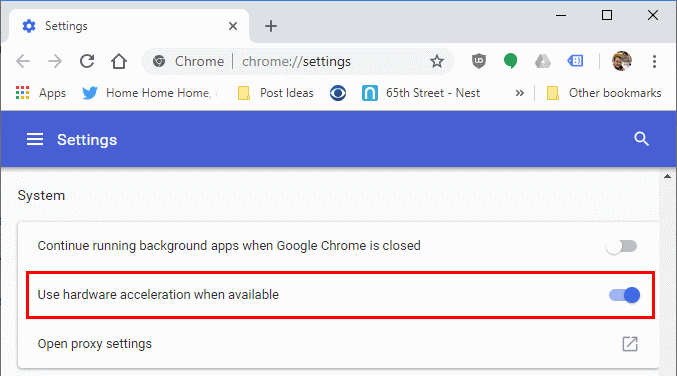
Ever wondered what's under the hood of your Chrome browser, making it zip along like a well-oiled machine? One of its secret weapons is something called hardware acceleration. It's like giving your browser a turbo boost, but what does that actually mean?
Imagine you're at a party, and you're trying to talk to your friend across the room. You can either shout, which is like your browser doing everything on its own (CPU rendering), or you can use a megaphone, which is like offloading some of the work to a separate device (GPU acceleration). That's basically what hardware acceleration does in Chrome.
So, what's the GPU got to do with it?
The GPU, or Graphics Processing Unit, is like the party's sound system. It's designed to handle lots of data at once, making it perfect for tasks like drawing images and animations on your screen. In Chrome, the GPU can take over some of the work from the CPU, freeing it up to handle other tasks.
Must Read
Think of it like this: If the CPU is the brain of your computer, doing all the thinking and decision-making, the GPU is the eyes, processing and displaying all the visual information. When Chrome uses hardware acceleration, it's like giving the GPU a bigger role in the party, letting it handle more of the visual tasks.
But why does it matter?
Hardware acceleration can make a big difference to your browsing experience. It can speed up things like:
- Scrolling and zooming, so you can breeze through web pages like they're your favorite magazine.
- Video playback, making your online movies and TV shows smoother and less likely to buffer.
- 3D graphics and animations, bringing those cool web games and interactive sites to life.
In other words, it's like going from a old, clunky bicycle to a sleek, speedy racing bike. Everything just feels smoother and faster.
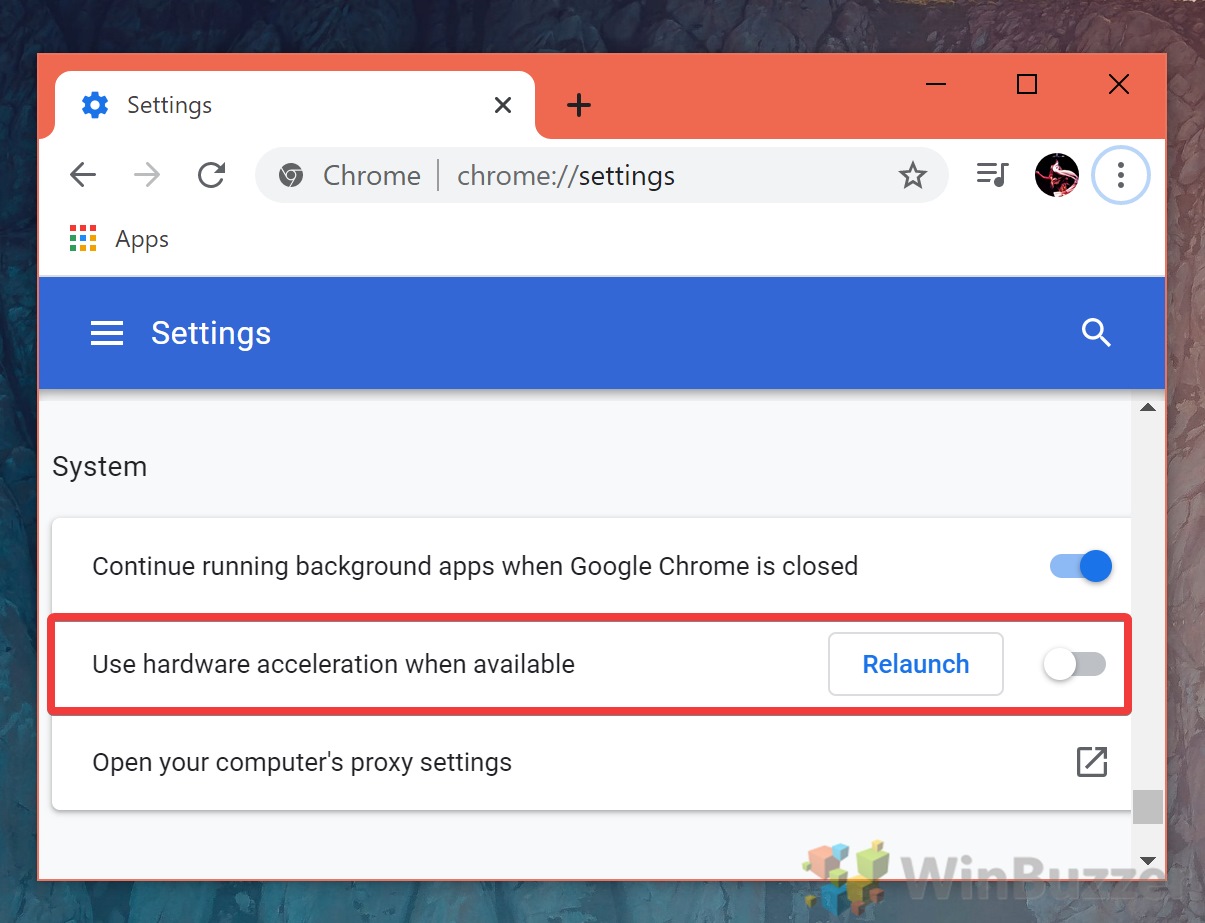 How to Enable or Disable Hardware Acceleration in Chrome
How does Chrome know when to use it?
Chrome is pretty smart about when to use hardware acceleration. It checks if your computer has a compatible GPU, and if it does, it starts handing off some of the work. You don't need to do anything, it just happens in the background.
But what if something goes wrong? What if your browser starts acting up, or you're not sure if hardware acceleration is on? Chrome has a built-in tool to help with that. You can check if hardware acceleration is enabled by:
- Typing
about:gpuinto the address bar and pressing Enter. - Looking for the line that says "WebGL 2.0" and checking if it says "Enabled" next to it. If it does, then hardware acceleration is on and working.
If it's not enabled, or if you're having trouble, you can try restarting Chrome, or even check if your GPU drivers are up to date. It's like giving your browser's car a tune-up, helping it run smoother and faster.
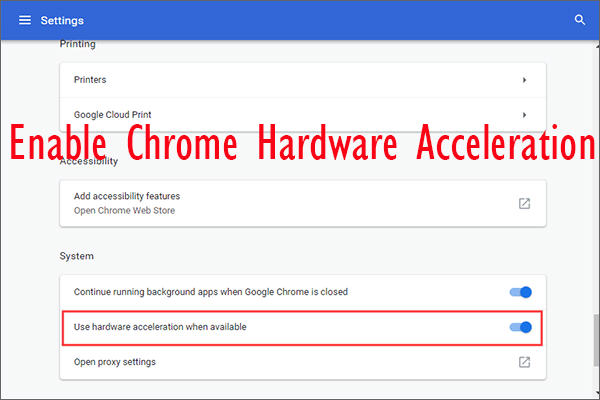 What does disabling hardware acceleration in chrome do - baphype
So, is hardware acceleration always a good thing?
For most people, the answer is yes. It can make your browsing experience smoother and faster, and it's usually on by default in Chrome. But sometimes, it can cause issues, like making a website or extension not work properly.
If you're having trouble with a specific site or extension, you can try turning off hardware acceleration for that one tab. It's like taking the megaphone away from one person at the party, so they don't drown out everyone else. To do this:
- Right-click on the tab and select "Settings".
- Scroll down and click "Additional content settings".
- Under "Privacy", turn off "Use hardware acceleration when available".
And that's hardware acceleration in a nutshell! It's like giving your browser a little boost, helping it run smoother and faster. So the next time you're cruising the web, remember, there's a lot going on under the hood to make your browsing experience as smooth as possible.
