What Is The Formula For Excel To Subtract

So, there I was, staring at my Excel sheet, feeling like a kid in front of a math problem. I had two columns of numbers, and I needed to subtract the second from the first. Si...

So, there I was, staring at my Excel sheet, feeling like a kid in front of a math problem. I had two columns of numbers, and I needed to subtract the second from the first. Simple, right? But for some reason, my brain was drawing a blank. That's when I realized, I'd forgotten the Excel formula for subtraction. Again.
Don't laugh, you're not alone. Excel has so many formulas, it's like trying to remember all the ingredients in your grandma's secret recipe. But don't worry, I've got you covered. Let's dive into the wonderful world of Excel subtraction, shall we?
Basic Subtraction: The Trusty MINUS Sign
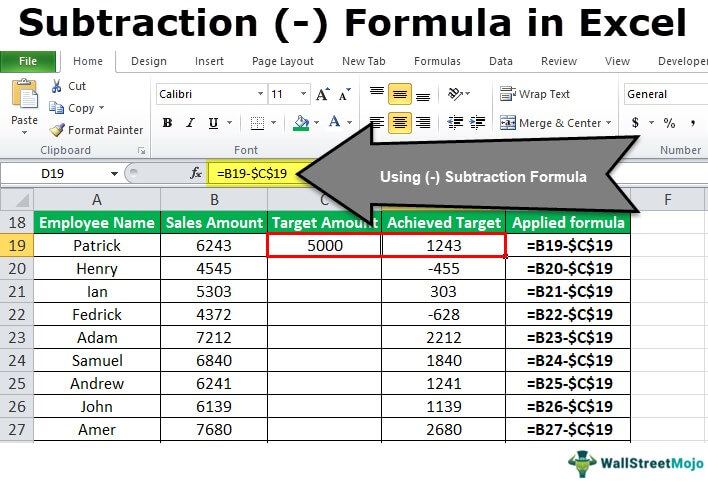
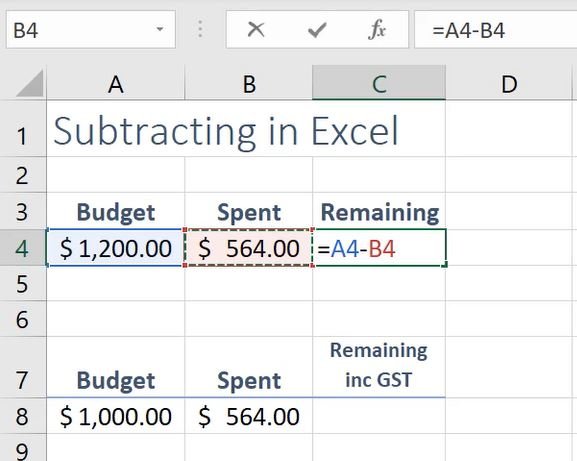
Alright, let's start with the basics. You've got two cells, A1 and B1. You want to subtract B1 from A1. What do you do? You use the minus sign, of course!
Must Read
Here's how you do it: In a new cell, let's say C1, type =A1-B1. Press Enter, and voila! Excel will subtract B1 from A1 and display the result in C1. Easy peasy, right?
But wait, there's more. What if you want to subtract a range of cells? Let's say you've got a list of numbers in A1:A10, and you want to subtract another list in B1:B10. You can do that too!
In cell C1, type =SUM(A1:A10)-SUM(B1:B10). Press Enter, and Excel will subtract the sum of B1:B10 from the sum of A1:A10. Neat, huh?
Subtracting with the SUBTRACT Function
Now, you might be thinking, "Why would I use the minus sign when Excel has a SUBTRACT function?" Well, good question! The SUBTRACT function is great when you want to subtract multiple values at once.
Let's say you've got numbers in A1, B1, and C1, and you want to subtract B1 and C1 from A1. In cell D1, type =SUBTRACT(A1,B1,C1). Press Enter, and Excel will subtract B1 and C1 from A1.
But here's the thing, the SUBTRACT function can only handle up to 255 arguments. So, if you've got more than 255 values to subtract, you'll need to use the minus sign or the SUM function, like we did earlier.
Subtracting Dates and Times
Alright, let's switch gears a bit. What if you want to subtract dates or times? Can you use the minus sign? The answer is yes, but with a twist.
Let's say you've got a start date in A1 and an end date in B1. You want to find out how many days are between them. In cell C1, type =B1-A1. Press Enter, and Excel will display the number of days between the two dates.
 What's The Formula To Subtract In Excel | TAFT Independent
But what if you want to subtract times? Let's say you've got a start time in A1 and an end time in B1. You want to find out the duration between them. In cell C1, type =B1-A1. Press Enter, and Excel will display the duration in days, hours, minutes, and seconds.
Pretty cool, huh? But here's a tip: If you want to display just the hours and minutes, you can use the TEXT function. In cell D1, type =TEXT(C1,"h:mm"). Press Enter, and Excel will display the duration in hours and minutes only.
Subtracting with the DATEDIF Function
Now, you might be thinking, "That's all well and good, but what if I want to find out how many days are between two dates, including weekends?" That's where the DATEDIF function comes in.
Let's say you've got a start date in A1 and an end date in B1. You want to find out how many days are between them, including weekends. In cell C1, type =DATEDIF(A1,B1,"d"). Press Enter, and Excel will display the number of days between the two dates, including weekends.
But what if you want to exclude weekends? No problem! Just change the "d" to "d1" in the formula. In cell D1, type =DATEDIF(A1,B1,"d1"). Press Enter, and Excel will display the number of weekdays between the two dates.
Subtracting with the EDATE and EOMONTH Functions
Alright, let's talk about the EDATE and EOMONTH functions. These two functions are great when you want to subtract months or years from a date.
Let's say you've got a date in A1, and you want to find out the date one month earlier. In cell B1, type =EDATE(A1,-1). Press Enter, and Excel will display the date one month earlier.
But what if you want to find out the last day of the previous month? That's where the EOMONTH function comes in. In cell C1, type =EOMONTH(A1,-1). Press Enter, and Excel will display the last day of the previous month.
Subtracting with the WORKDAY Function
Now, let's talk about the WORKDAY function. This function is great when you want to subtract a certain number of working days from a date.
 How to subtract in Excel (minus formula) - Excel at Work
Let's say you've got a date in A1, and you want to find out the date 10 working days earlier. In cell B1, type =WORKDAY(A1,-10). Press Enter, and Excel will display the date 10 working days earlier, excluding weekends and holidays.
But what if you want to include weekends? No problem! Just add the TODAY function to the formula. In cell C1, type =WORKDAY(A1,-10,TODAY()). Press Enter, and Excel will display the date 10 working days earlier, including weekends.
Subtracting with the NETWORKDAYS Function
Finally, let's talk about the NETWORKDAYS function. This function is similar to the WORKDAY function, but it also excludes holidays.
Let's say you've got a start date in A1 and an end date in B1. You want to find out the number of working days between them, excluding weekends and holidays. In cell C1, type =NETWORKDAYS(A1,B1). Press Enter, and Excel will display the number of working days between the two dates.
But what if you want to include weekends? No problem! Just add the TODAY function to the formula. In cell D1, type =NETWORKDAYS(A1,B1,TODAY()). Press Enter, and Excel will display the number of working days between the two dates, including weekends.
Pretty neat, huh? But here's a tip: If you want to exclude specific holidays, you can use the NETWORKDAYS.INTL function. It's a bit more complicated, but it's worth it if you need to exclude specific holidays.
Conclusion
And there you have it, folks! We've covered the basics of subtraction in Excel, from the simple minus sign to the more complex functions like NETWORKDAYS.INTL. So the next time you find yourself staring at your Excel sheet, wondering how to subtract one value from another, you'll know exactly what to do.
Remember, practice makes perfect. The more you use these formulas, the more natural they'll become. And who knows, you might even start to enjoy Excel!
Until next time, happy subtracting!
