What Is The Length Of A4 Paper In Cm

Okay, so you’re scrolling through your printer settings, and suddenly you’re like, *"Wait, how big is this A4 paper anyway?"* No judgment—we’ve all been there. Let’s break it...
Okay, so you’re scrolling through your printer settings, and suddenly you’re like, "Wait, how big is this A4 paper anyway?" No judgment—we’ve all been there. Let’s break it down before you accidentally print a 10-page essay on a postcard.
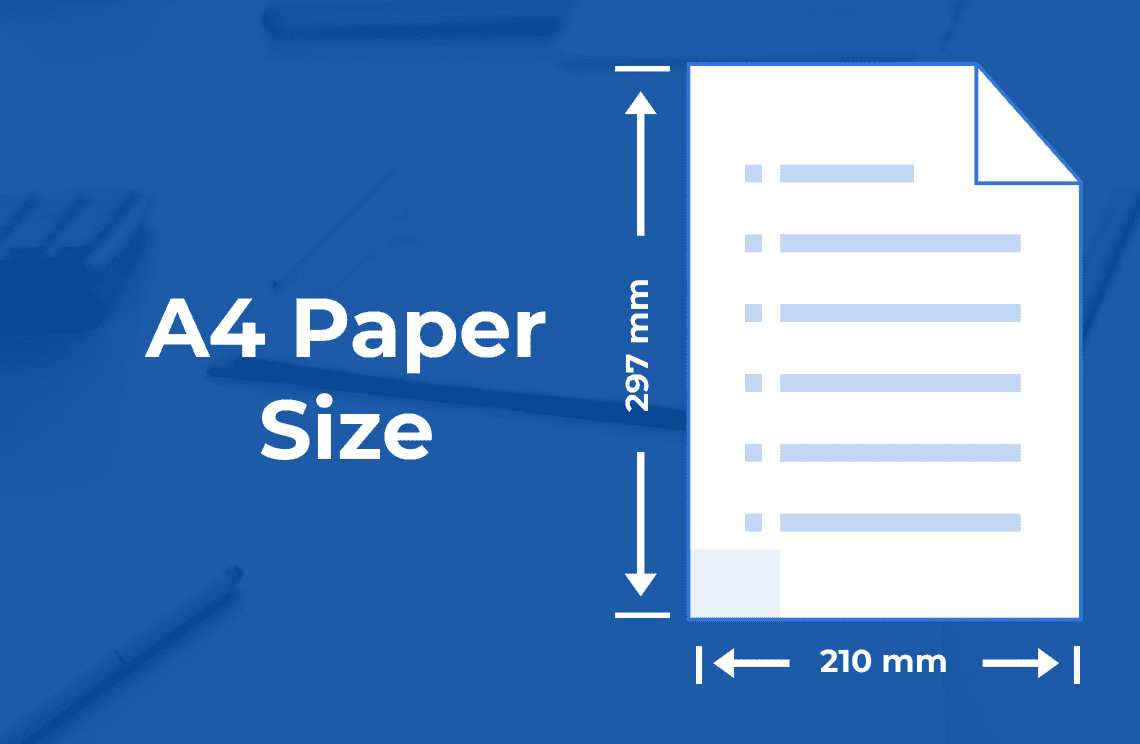
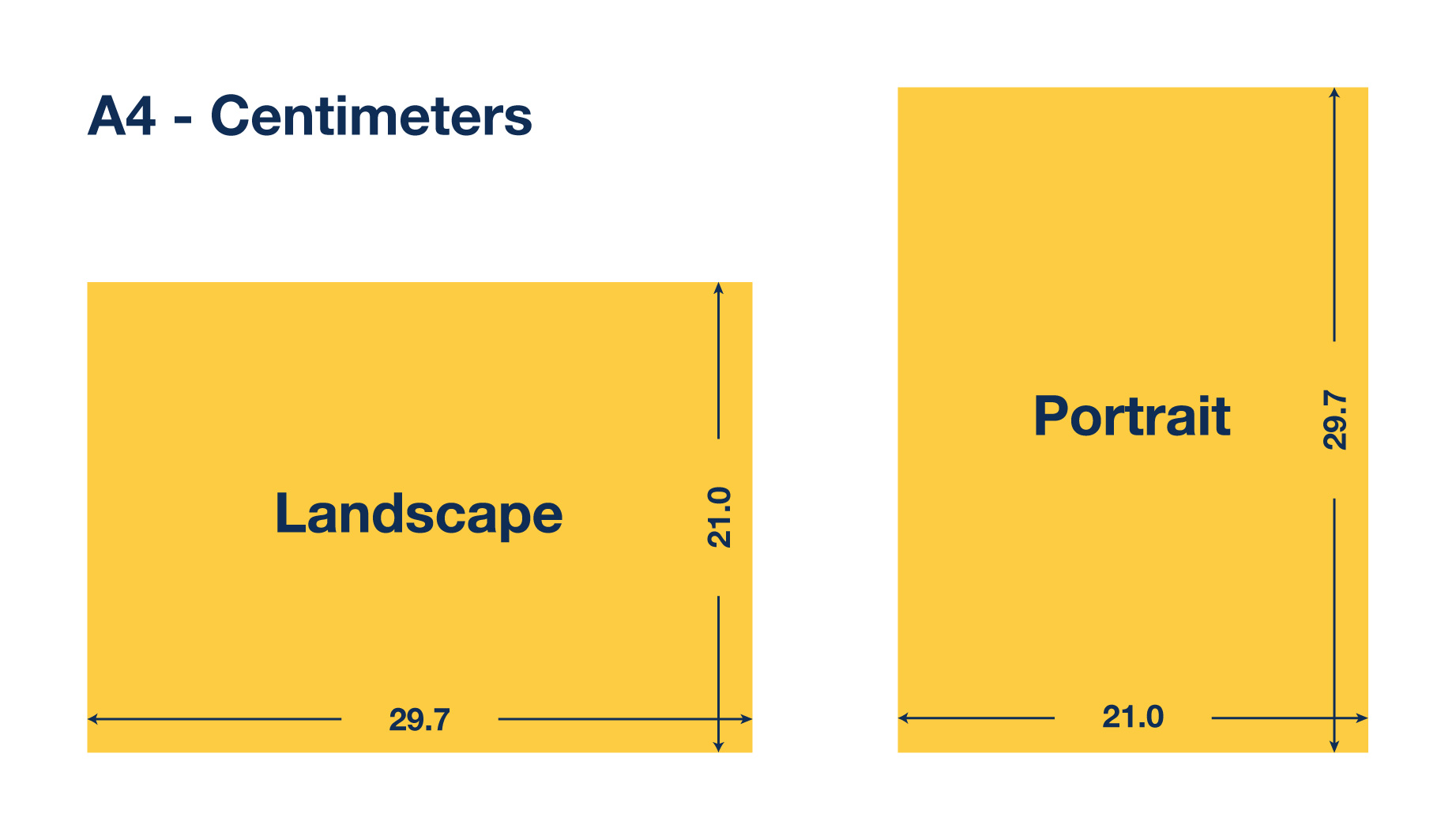
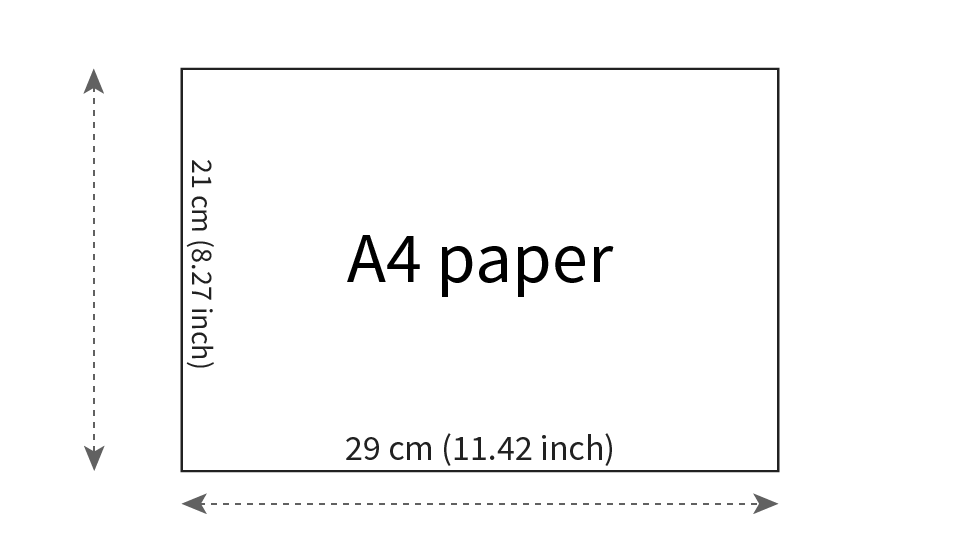
A4 paper is the Swiss Army knife of paper sizes—useful, standard, and just big enough to fit your thoughts without looking ridiculous. Officially, it’s 210 millimeters wide by 297 millimeters tall. Yeah, I know, numbers don’t exactly scream "fun," but stick with me.
Imagine holding a piece of paper that’s roughly the size of a standard notebook page—but not too big, like a legal pad that’s judging you silently. It’s the Goldilocks of paper sizes: not too small (like A5, which is basically a sad little square), not too big (like A3, which is basically a canvas for your inner Picasso).
Must Read
Fun fact: A4 is part of the ISO 216 family, which means it’s basically the international language of paper. No matter where you are in the world—whether you’re in Tokyo, London, or that one friend’s apartment who still uses a fax machine—this size is your friend.
Now, why does this matter? Because if you’re printing something important—like a resume, a contract, or that one meme you swear is life-changing—you don’t want it to look like it was printed on a coaster. A4 keeps things professional without being pretentious.
Let’s talk proportions for a sec. The aspect ratio of A4 is √2:1, which is fancy math-speak for "it’s not a square, but it’s not a rectangle that’s too stretched out either." Think of it like the perfect ratio for a good story—engaging but not overwhelming.
If you’re visual, here’s a quick mental image: A4 is about the size of a standard letter envelope if you fold it in half. Or, if you’re feeling fancy, it’s roughly the size of a booklet you’d find in a coffee shop. Not too big, not too small—just right.
Ever wonder why A4 is so popular? It’s because it’s practical. No weird margins, no awkward cuts—just a clean, consistent size that works for everything from school projects to business documents. It’s like the golden ratio of paper.
But what if you’re not in the U.S.? No worries—most of the world uses A4, while the U.S. sticks with letter size (which is 8.5 x 11 inches—because why complicate things?). It’s like how some people drive on the left and others on the right; we just have to roll with it.
Now, let’s talk about real-life scenarios. You’re at the library, and you need to print something. The machine asks for "A4" or "Letter." Do you panic? Nope—just pick A4, because it’s the universal default. Unless you’re in a very specific corner of the world, A4 is your go-to.
 A4 Paper Size In Cm
What if you’re designing something? A4 is your safe bet. It’s the size that fits on most printers without you having to do a last-minute panic edit. Plus, it’s the size that looks good when you frame it—because nothing says "I’m cultured" like a nicely framed A4 print.
Ever notice how A4 feels just right in your hands? It’s not so small that it’s annoying, but not so big that it’s a chore to carry around. It’s like the perfect pair of jeans—comfortable, familiar, and you never have to think about it.
But what if you’re not printing? What if you’re just looking at it? A4 is the standard for posters, flyers, and even some art prints. It’s the size that says, "I’m serious, but I’m not trying too hard." Like a good conversation—engaging but not overwhelming.
Let’s talk about history for a sec. A4 was introduced in the 1920s as part of a system to standardize paper sizes across Europe. The idea was to make things consistent, so you didn’t have to deal with a million different paper sizes. Genius, right?
Now, if you’re feeling extra, you can calculate A4’s area. It’s 0.0625 square meters—because why not? But honestly, you probably don’t need to know that unless you’re planning to build a paper fort.
What if you’re printing something really big? Like a poster or a map? A4 is your starting point. You can always print multiple pages and tape them together, but starting with A4 means you’re not starting from scratch every time.
Ever seen someone struggle with margins on A4? It’s a common pain point. But once you get the hang of it, you’ll realize that A4 margins are actually pretty forgiving. Just leave a little breathing room, and you’re golden.
Let’s talk about digital vs. physical. On screen, A4 looks different because pixels are tiny. But when you print it out? Magic happens. Suddenly, your words have weight, your images pop, and you feel like you’ve achieved something.
 A4 Size Paper
What if you’re designing for both? Like a document that needs to look good on screen and in print? A4 is still your best friend. Just make sure your fonts and images scale properly—because nothing kills the vibe like a blurry printout.
Ever notice how A4 feels just right when you’re writing a letter? It’s not so small that your handwriting gets cramped, but not so big that you’re wasting paper. It’s like the perfect notebook size—if notebooks had a standard.
But what if you’re not in a country that uses A4? Do you just give up? Nope! Most printers these days let you adjust settings, so you can print A4 even if your default is letter size. It’s like having a universal translator for paper.
Let’s talk about real-world examples. Your resume? A4. Your contract? A4. That one flyer you’re making for your friend’s garage sale? A4. It’s the default choice because it just works.
What if you’re feeling creative? A4 is your blank canvas. You can fold it, cut it, or even turn it into a mini zine. It’s versatile without being overwhelming. Like a good friend—always there when you need them.
Ever wonder why A4 is so dominant? It’s because it’s practical. No weird cuts, no awkward sizes—just a clean, consistent format that works for everything. It’s like the iPhone of paper sizes—simple, reliable, and always in style.
So next time you’re printing something, take a second to appreciate A4. It’s not just a piece of paper—it’s a standard, a symbol, and a lifesaver. And now you know exactly how big it is.
Go forth, print confidently, and may your margins always align.
