Define Limiting Reactant In Chemistry

So, imagine you're at this awesome potluck party, right? You've got your favorite dish - let's say, a massive batch of your famous chili. Now, everyone's raving about it, and...

So, imagine you're at this awesome potluck party, right? You've got your favorite dish - let's say, a massive batch of your famous chili. Now, everyone's raving about it, and suddenly, it's the star of the show. But here's the thing, you only brought enough cheese and sour cream for a fraction of the crowd. You're running out of toppings way before the chili's gone. That, my friend, is a limiting reactant situation.
Limiting Reactant: The Party Pooper
In chemistry, a limiting reactant is like that cheese and sour cream at the potluck. It's the reactant (that's just a fancy word for a substance that's going to react) that gets used up first, or the one that's present in the smallest amount relative to the other reactants. Once it's gone, the reaction stops, just like the chili toppings party.
Now, you might be thinking, "But what if I had brought more cheese and sour cream? The party could've gone on!" Exactly! If you'd had enough toppings to match the chili, neither would have run out, and the party would've been even better. That's what we call an excess reactant. It's there in abundance, so it doesn't limit the reaction.
Must Read
Finding the Limiting Reactant
So, how do you figure out which reactant is the limiting one? Well, it's all about the ratios, baby. You compare the mole ratio of the reactants to the mole ratio in the balanced chemical equation. If the ratio of a reactant is less than what's needed for the balanced equation, then that's your limiting reactant. It's like having less than a 1:1 ratio of cheese to chili - the cheese is the limiting topping.
Let's say you've got 2 moles of substance A and 1 mole of substance B. If the balanced equation is A + B → C, then substance B is the limiting reactant because it's present in a smaller amount relative to substance A.
 Limiting Reactant - Easy Science | Medical school essentials, Chemistry
Why Does It Matter?
Knowing your limiting reactant is crucial because it tells you how much product you'll get from a reaction. If you're making a ton of product, you want to make sure you've got enough of all your reactants. But if you're just trying to make a little bit, knowing the limiting reactant can help you use your reactants more efficiently. It's like planning your potluck dish - if you know you're going to run out of cheese, you might want to make something else instead.
Plus, understanding limiting reactants helps you predict what's going to happen in a reaction. If you know one reactant is going to run out first, you can predict the products and the amounts you'll get. It's like knowing that once the cheese runs out, the chili toppings party is over.
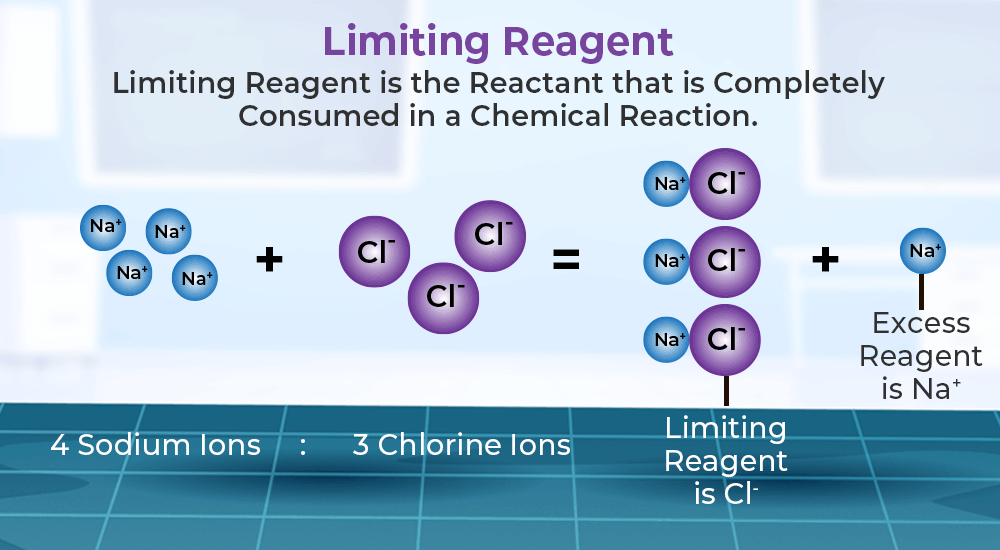 Limiting Reagent - GeeksforGeeks
But What If I Want More Chili?
If you've run out of your limiting reactant, but you want more product, you've got a couple of options. You could add more of the limiting reactant - that's like bringing more cheese to the party. Or, you could find a new reaction that doesn't use the limiting reactant - maybe you could make some guacamole instead of chili. Both options can help you get more of the product you want.
And there you have it! Limiting reactants - they're not just for chemistry class. They're like the cheese and sour cream at the potluck, the key to a successful reaction, and a great way to plan your next potluck dish. So next time you're at a party, or in the lab, remember the limiting reactant. It's the key to a successful event, every time.
