Difference Between Kcals And Calories

Kcal vs Calorie: Let's Get Our Daily Dose of Energy Straight Ever found yourself squinting at a nutrition label, trying to decipher whether you're looking at kilocalories (kc...

Kcal vs Calorie: Let's Get Our Daily Dose of Energy Straight
Ever found yourself squinting at a nutrition label, trying to decipher whether you're looking at kilocalories (kcal) or calories (cal)? You're not alone. Let's demystify this common confusion and dive into the world of energy units, because understanding your food's energy is as important as knowing its taste.
First Things First: What's the Difference?
In the simplest terms, calories are a unit of energy, just like kilometers are a unit of distance. A calorie, with a lowercase 'c', is the amount of energy needed to raise the temperature of 1 gram of water by 1 degree Celsius. But when we talk about food, we're usually referring to kilocalories, or kcal, which is 1,000 times larger. So, when you see 'Calories' on a food label, it's actually kcal they're talking about. Think of it like measuring distance in miles instead of feet - it's just a larger unit for practical purposes.
Now, why the confusion? Blame it on the food industry. In the past, food labels used to list calories in kcal, but they dropped the 'k' to make the numbers look smaller and more appealing. Clever, right? But it's left us scratching our heads ever since.
Must Read
Calories in Action: A Pop Culture Primer
Calories aren't just a buzzword in the health and fitness world. They've made their way into pop culture too. Remember the iconic scene in "When Harry Met Sally" where Meg Ryan's character orders a "calorie-free" dessert? Or how about the "Calorie Wars" in the movie "Super Size Me"? These references remind us that calories are more than just numbers - they're a part of our cultural lexicon.
And let's not forget the humble calorie counter. From apps like MyFitnessPal to old-school notebooks, tracking our daily calorie intake has become a global pastime. But with great power (of information) comes great responsibility. It's important to remember that calories aren't the be-all and end-all of healthy eating. Quality matters too.
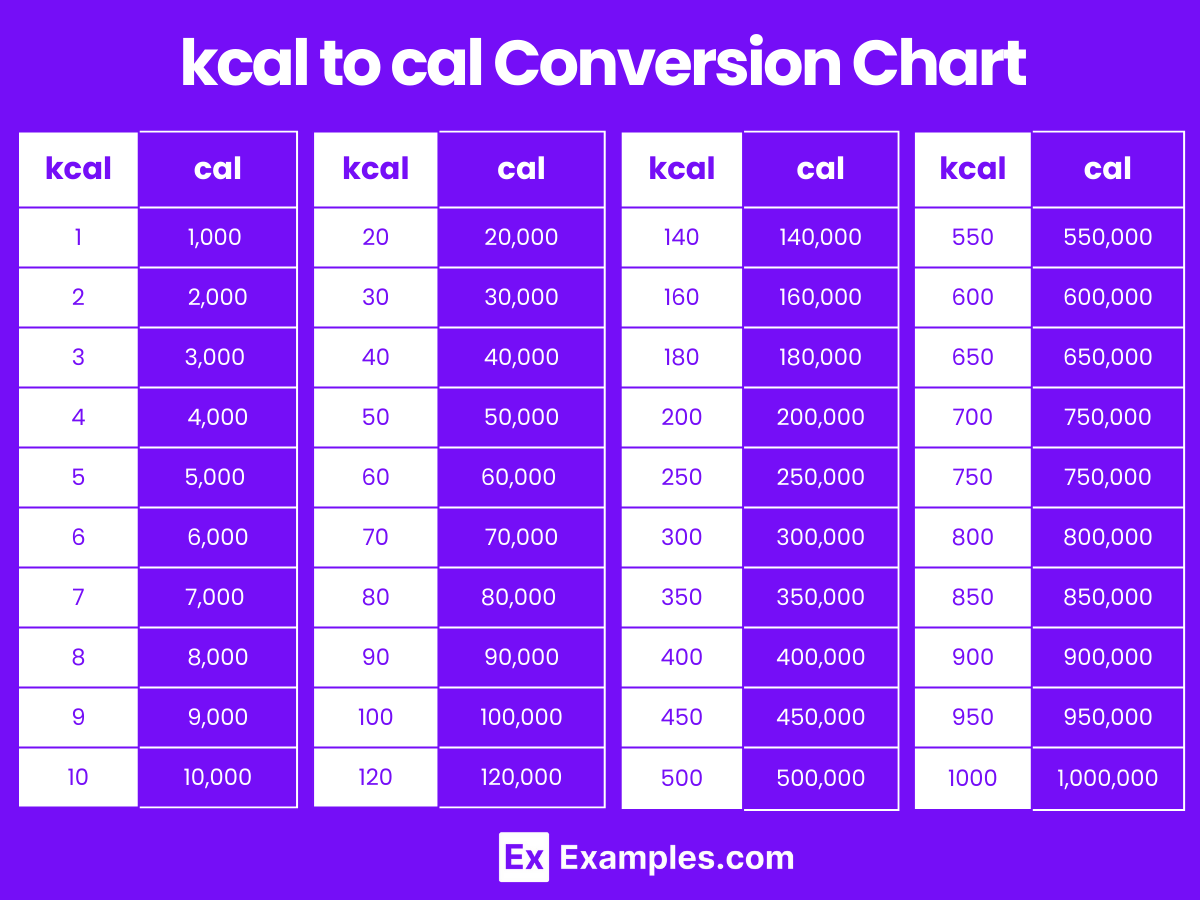 Cal to kCal & kCal to Cal Converter
Calorie Myths: Debunked
Before we dive into practical tips, let's bust a few calorie myths. First, not all calories are created equal. A calorie from a candy bar isn't the same as a calorie from an avocado. Your body processes them differently, so focus on nutrient-dense foods.
Second, calories aren't the only measure of a food's value. Yes, they matter, but so do nutrients, fiber, and even how a food makes you feel. A 100-calorie pack of cookies might be low in calories, but it's also low in nutrients and high in refined sugars.
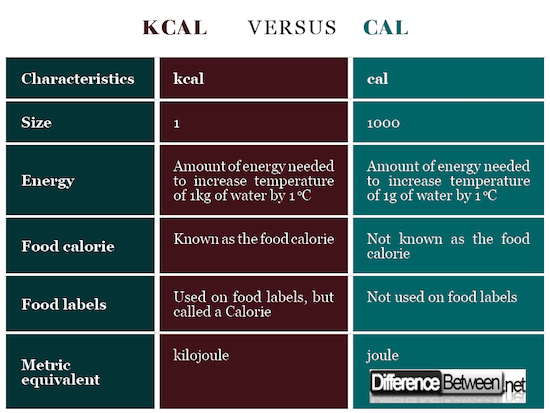 Difference Between kcal and cal | Difference Between
Practical Tips for Your Daily Dose of Energy
Now that we've got the calorie basics down, here are some tips to help you navigate your daily energy intake:
- Read the Label: Look for 'Calories' (kcal) on the nutrition label. Remember, 1 gram of fat has 9 kcal, 1 gram of protein has 4 kcal, and 1 gram of carbohydrate has 4 kcal. So, keep an eye on those macronutrients too.
- Balance Your Plate: Aim for a balance of macronutrients at each meal. Think lean proteins, whole grains, healthy fats, and plenty of fruits and veggies.
- Mind Your Portions: Size matters. A serving of pasta is typically half a cup, cooked. But that bowl you're looking at? It's probably three or four servings. Use measuring cups or a food scale to keep portions in check.
- Move More: Calories in vs calories out is a simple equation. Regular physical activity helps balance your energy intake and expenditure.
Reflecting on Our Daily Dose
At the end of the day, calories are just a tool to help us understand our food's energy. They're not a measure of a food's worth, and they're certainly not a reflection of our worth. So, let's use them wisely, enjoy our food, and remember that balance is key.
After all, as the great Julia Child once said, "Everything in moderation... including moderation." So, go ahead, have that slice of cake. Just make sure it's a slice you'll enjoy, not a calorie you'll regret.
