How Do You Know When A Cat Has Rabies

So, you're here because you've got a furry little friend who's acting a tad... off. Or maybe you're just curious, hey, no judgment here! Let's chat about how to spot if your k...
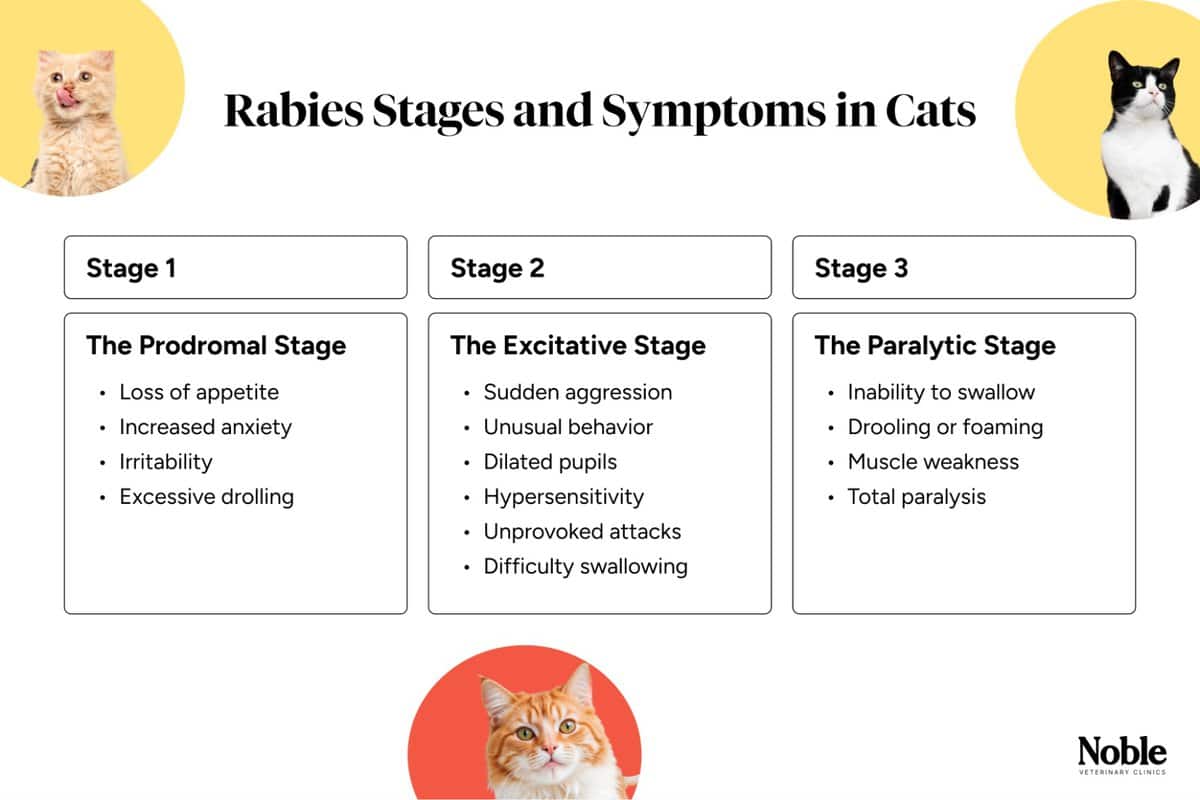
So, you're here because you've got a furry little friend who's acting a tad... off. Or maybe you're just curious, hey, no judgment here! Let's chat about how to spot if your kitty's got a case of the rabies. Grab a coffee, make yourself comfy, and let's dive in.
First things first, what's rabies?
Alright, let's start with the basics. Rabies is like your cat's version of a zombie virus. It's a nasty little bug that affects the brain and causes all sorts of weird behavior. It's super rare in cats, but it's still something we should know about.
How does a cat catch rabies?
Now, don't go blaming the neighborhood strays or your cat's latest conquest. Rabies is usually spread through bites from infected animals, like bats, raccoons, or even other cats. So, if your kitty's been wandering the streets at night, it might be time for a little chat about safe cat behavior.
Must Read
So, what should I look out for?
Great question! Rabies can cause a whole range of symptoms, and they can change pretty quickly. One minute your cat might be all cuddly and purring, the next they're hissing and spitting like a tiny, furry dragon. Confusing, right?
Changes in behavior
Hypersalivation - That's a fancy word for drooling. If your cat's suddenly looking like a human with a mouth full of Novocain, it might be a sign. And it's not just the drool, they might also have trouble swallowing, so they might make some weird noises while eating.
Aggression - Rabies can make your cat go from cuddly to cranky in a heartbeat. They might start hissing, growling, or even attacking for no reason. But here's the thing, they might also become too friendly, following you around like a little shadow.
Fearfulness - Cats with rabies might become super afraid of water. They might also be afraid of bright lights or loud noises. So, if your cat suddenly starts hissing at the sight of a dripping faucet, it might be more than just a quirk.
Physical symptoms
Now, let's talk about the physical stuff. Rabies can cause all sorts of weird things to happen to your cat's body.
 3 Ways to Tell if a Cat Has Rabies - wikiHow
Paralysis - This is a big one. Rabies can cause paralysis, which might start in your cat's legs and work its way up. So, if your cat's suddenly having trouble walking or using their limbs, it's a serious sign.
Seizures - Rabies can also cause seizures. If your cat starts having fits or convulsions, it's a medical emergency.
What should I do if I think my cat has rabies?
Alright, let's say you've noticed some of these signs. It's time to stay calm and act fast. Rabies is serious business, and it's almost always fatal if left untreated.
First things first, do not try to handle your cat. I know, I know, it's hard to stay away from your furry friend, but it's for the best. Call your vet right away and follow their instructions. They might want to see your cat right away, or they might want to come to you.
In the meantime, keep your cat away from other pets and people. Rabies is super contagious, so it's important to keep everyone safe.
Can humans catch rabies from cats?
Now, let's talk about the elephant in the room. Can humans catch rabies from cats? The short answer is yes, but it's super rare. Cats usually have to bite or scratch you to spread the virus, and it's almost always preventable with a quick trip to the doctor.
 3 Ways to Tell if a Cat Has Rabies - wikiHow
So, if you've been bitten or scratched by a cat that's acting weird, give your doc a call. They might want to give you a shot to prevent rabies. It's no fun, but it's better than the alternative.
How can I protect my cat from rabies?
Alright, let's end on a positive note. There are plenty of ways to protect your cat from rabies.
First and foremost, get your cat vaccinated. It's the best way to protect them from rabies. Most vets recommend getting the vaccine when your cat is a kitten, and then boosting it every year or so.
Next up, keep your cat indoors. I know, I know, it's hard to keep your cat from exploring the great outdoors. But it's the best way to keep them safe from rabid wildlife.
And finally, be aware of your surroundings. If you live in an area with a lot of bats or raccoons, keep an eye out for any signs of rabies. It's better to be safe than sorry.
And there you have it, folks! That's the lowdown on rabies in cats. It's a scary topic, I know, but knowledge is power. So, the next time your cat starts acting a little weird, you'll know just what to do.
