How To Cook A Beef Rump Roast In Oven

Roast Beast: The Oven's Version of a Sunday Funday Alright, gather 'round, my fellow culinary adventurers. Today, we're going to tackle something that's been giving home cook...

Roast Beast: The Oven's Version of a Sunday Funday
Alright, gather 'round, my fellow culinary adventurers. Today, we're going to tackle something that's been giving home cooks a bit of a beef since time immemorial - the humble rump roast. Now, don't go running for the hills just yet, this isn't one of those fancy French recipes that'll have you sweating bullets and cursing in a language you don't understand. No, no, we're keeping it real here, just like your grandma used to make. Well, maybe not exactly like grandma, but you get the gist.
First Things First: The Beef
Now, let's talk beef. You want a rump roast, and you want it to be about 3-4 pounds. That's about the size of a small, well-fed toddler, so you know it's gonna be a hearty meal. You can ask your butcher for a 'first cut' or 'eye of round' - that's the fancy term for the rump roast. It's a lean cut, so it's not gonna be as forgiving as a ribeye, but with a little love and attention, it'll turn out just fine.
And speaking of love and attention, let's talk about that marinade. Some people swear by dry rubs, others by wet marinades. Me? I'm a 'whatever's in the fridge' kind of cook. So, if you've got some garlic, herbs, maybe a little olive oil, and some salt and pepper, you're good to go. Just remember, the key to a good marinade is to treat your beef like you would a delicate houseplant - don't drown it, just give it a little TLC.
Must Read
Prep Time: The Calm Before the Storm
Alright, so you've got your beef, you've got your marinade, now it's time to get this party started. First things first, let's get that oven preheating. You want it hot, like a certain someone's temper after a long day at work. We're talking 450°F here, folks. While that's heating up, you can get your beef ready. Pat it dry with a paper towel - we want a nice, dry surface for that beautiful sear. Then, slather on that marinade like it's sunscreen on a summer day. Don't be stingy, but don't be wasteful either. We're not trying to feed an army here, just a hungry family.
Now, here's where things get a little... well, let's call it 'interesting'. You're gonna want to sear your beef. That means you're gonna put that bad boy in a hot pan, and you're gonna let it sizzle and brown like a teenager's face after their first kiss. Don't be afraid of the smoke, just open a window and turn on the fan. It's like camping, but in your kitchen. And instead of marshmallows, you're cooking meat. Win-win, right?
Cooking Time: The Main Event
Alright, so you've seared your beef, and it's looking all kinds of delicious. Now, it's time to move it to the oven. But wait! Don't just throw it in there like it's a frozen pizza. No, no, we want to make this a special occasion. So, grab a roasting pan, or a Dutch oven, or even a big ol' cast iron skillet. Something that's gonna let that beef cook evenly and give you a nice, crispy crust.
 Perfectly Tender Oven-Baked Rump Roast - Sweet Tea and Sprinkles
Now, here's where the magic happens. You're gonna cook that beef at a low temperature. We're talking 325°F here. It's like a slow dance, not a fast-paced tango. You want to cook it until it's about medium-rare. That's about 135°F internally. But remember, every oven is different, so keep an eye on it. You don't want to overcook it, but you don't want to undercook it either. It's a delicate balance, like walking a tightrope. But don't worry, I have faith in you. You've got this.
And while your beef is cooking, you can whip up some sides. Mashed potatoes, roasted veggies, maybe a nice, crisp salad. Whatever floats your boat. Just remember, the beef is the main event, so don't let the sides steal the show. They're more like the opening act - they're there to warm up the crowd, but the beef is the headliner.
Resting Time: The Calm After the Storm
Alright, so your beef is cooked to perfection. It's looking all kinds of beautiful, and it's filling your kitchen with a smell that's making your mouth water. But hold your horses, cowboy. You can't just slice into that bad boy like it's a birthday cake. No, no, that would be a travesty. You need to let it rest. That means you take it out of the oven, and you let it sit on the counter for about 15-20 minutes. It's like giving your beef a little nap before the big party.
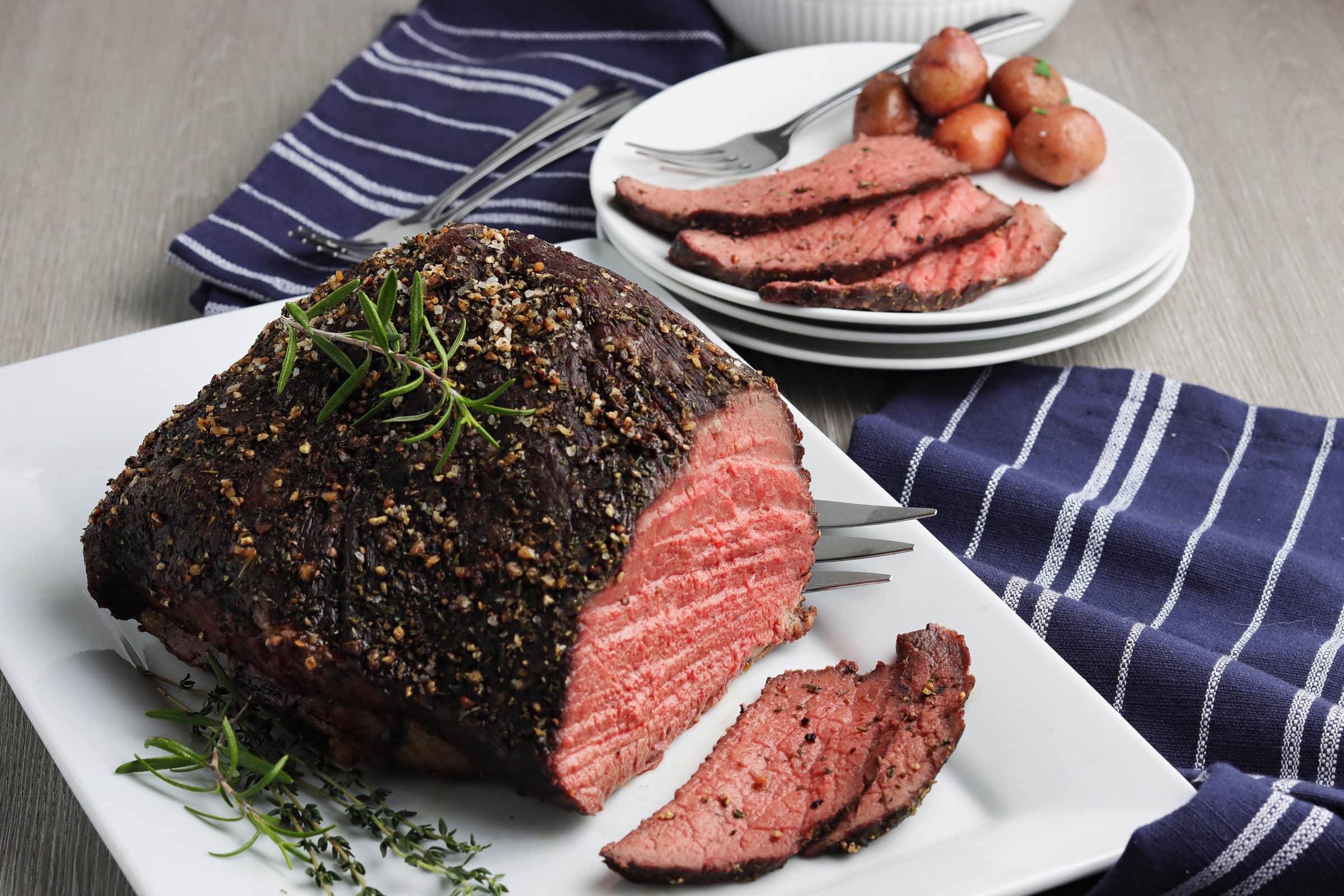 How To Cook A Rump Roast
Why, you ask? Well, when you cook meat, the juices get all pushed to the center. And when you slice into it, all those juices come rushing out, and your beef ends up dry as a desert. But if you let it rest, those juices redistribute, and your beef stays nice and moist. It's like magic, but with less sparkles and more... beef.
Slicing Time: The Grand Finale
Alright, so your beef has had its beauty sleep. Now it's time to slice it up. You want to slice it against the grain. That means you want to slice it perpendicular to the lines of muscle fibers. It's like cutting a loaf of bread - you wouldn't cut it with the grain, would you? No, you'd cut it against the grain. It makes it easier to chew, and it keeps all those delicious juices in the beef where they belong.
And there you have it, folks. A rump roast, cooked to perfection. It's not as scary as it sounds, is it? Just remember, the key to a good roast is patience. It's like waiting for your favorite show to come back on after a long hiatus. You can't rush it, you just have to wait. And in the meantime, you can enjoy the anticipation. Because, let's face it, the wait is half the fun.
So, go forth, my culinary adventurers. Go forth and cook your beef. And remember, if all else fails, you can always order a pizza. But where's the fun in that? Happy cooking!
