How To Figure Out Earnings Per Share

Figuring Out Earnings Per Share: A Bite-Sized Guide Ever wondered how companies decide how much to pay out in dividends? Or why some stocks seem more expensive than others? W...

Figuring Out Earnings Per Share: A Bite-Sized Guide
Ever wondered how companies decide how much to pay out in dividends? Or why some stocks seem more expensive than others? Well, friend, today we're diving into the world of Earnings Per Share (EPS), and I promise, it's not as scary as it sounds. In fact, it's like learning how to split the bill at a restaurant, but for stocks!
What's the Big Deal About EPS?
Imagine you're at your favorite pizza place. You order a large pepperoni, and your friend gets a margherita. The bill comes to $20. Now, if you split it 50-50, each of you pays $10. But what if your friend ordered a $15 pizza and you got a $5 slice? Suddenly, the math changes, right? That's kind of what EPS does. It helps us understand how much money a company makes, per share of its stock.
Why should you care? Well, knowing EPS can help you make more informed decisions when you're buying or selling stocks. It's like knowing the price per pound at the grocery store - it helps you understand if you're getting a good deal or not.
Must Read
How to Calculate EPS: The Super Simple Way
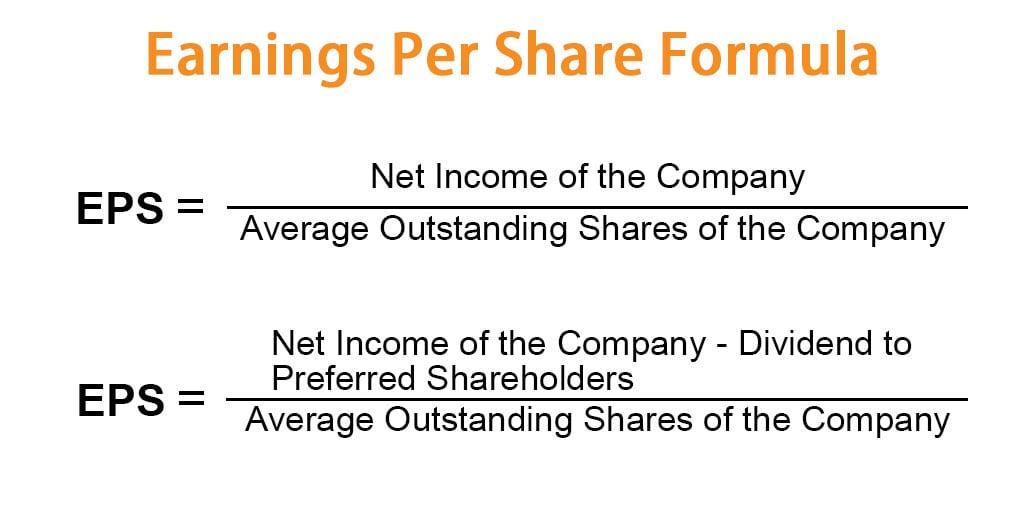
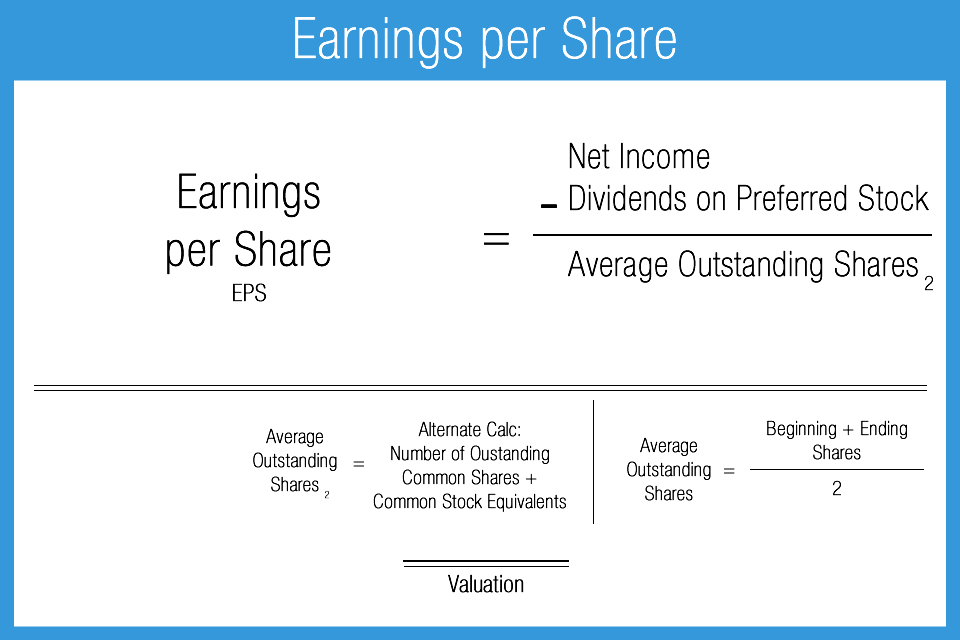
Alright, let's get our hands dirty. The formula for EPS is:
EPS = Net Income / Number of Outstanding Shares
Let's break it down. Net Income is the big, fancy term for 'profit'. It's what's left over after a company pays all its bills and expenses. The Number of Outstanding Shares is just the total number of shares a company has issued and is currently trading.
For example, let's say Company XYZ made $100,000 in profit last year and has 10,000 shares outstanding. Their EPS would be:
 Earnings Per Share Formula | Definition, Formula, How to Calculate?
EPS = $100,000 / 10,000 = $10
So, each share of Company XYZ's stock earned $10 last year. Pretty neat, huh?
But Wait, There's More!
Now, you might be thinking, "That's all well and good, but what if I want to compare Company XYZ to Company ABC?" Well, that's where the fun really starts. You can compare a company's EPS to its Price per Share to get something called the Price-to-Earnings Ratio (P/E Ratio). It's like comparing the cost of your pizza to how much you actually ate - it helps you understand if you're getting your money's worth.
For instance, if Company XYZ's stock is trading at $20 per share, its P/E Ratio would be:
 Ace Tips About How To Increase Earnings Per Share - Philosophypeter5
P/E Ratio = $20 / $10 = 2
This means investors are willing to pay 2 times the company's earnings per share to own a piece of the company. The lower the P/E Ratio, the cheaper the stock might be. But remember, it's not always about the lowest price - sometimes, you want to pay a little extra for that extra slice of pepperoni, right?
Final Bite
So there you have it, folks! EPS is just a simple way to understand how much money a company makes per share of its stock. It's not rocket science, and it's definitely not as scary as it sounds. Next time you're thinking about investing in a company, take a peek at its EPS and P/E Ratio. It might just help you make a more informed decision.
And remember, just like pizza, there's no one-size-fits-all when it comes to investing. What's important is understanding what you're looking at and making decisions that work for you. Now, who's ready for some real pizza?
