How To Turn Off Graphics Acceleration

Ever felt like your trusty laptop is running hotter than a summer's day in Phoenix, and slower than a snail's pace? You're not alone, friend. Chances are, your graphics card i...

Ever felt like your trusty laptop is running hotter than a summer's day in Phoenix, and slower than a snail's pace? You're not alone, friend. Chances are, your graphics card is working overtime, and it's time to give it a break. Let's talk about turning off graphics acceleration, because sometimes, less is more.
What's the Deal with Graphics Acceleration?
Imagine graphics acceleration as the enthusiastic friend who always volunteers to carry the heavy stuff. It's eager to help, but sometimes, it takes on too much and ends up slowing everyone down. In tech terms, it's your graphics card processing visuals, but when it's overloaded, it can make your computer run like a tired toddler.
Think of it like a party. You've got your main speakers (your CPU) playing the tunes, but then you've got your subwoofer (your GPU) trying to handle all the bass. If the subwoofer's not up to it, the whole system suffers. That's where turning off graphics acceleration comes in. It's like unplugging the subwoofer when it's getting overwhelmed.
Must Read
When Should You Turn It Off?
You might want to consider turning off graphics acceleration if you're:
- Running older or less powerful hardware. Think of it like driving a vintage car on the highway - it's not built for that speed.
- Experiencing lag or stuttering, especially in less demanding tasks like web browsing or word processing.
- Noticing your computer's running hotter than usual. It's like when you're trying to cook a five-course meal in a tiny kitchen - it's going to get hot and chaotic.
How to Do the Deed
Alright, let's get down to business. Here's how you can turn off graphics acceleration in a few popular browsers:
Google Chrome
1. Type chrome://flags in your address bar and hit enter.
2. Search for GPU rasterization and set it to Disabled.
3. Restart Chrome, and voila! You've just given your GPU a well-deserved break.
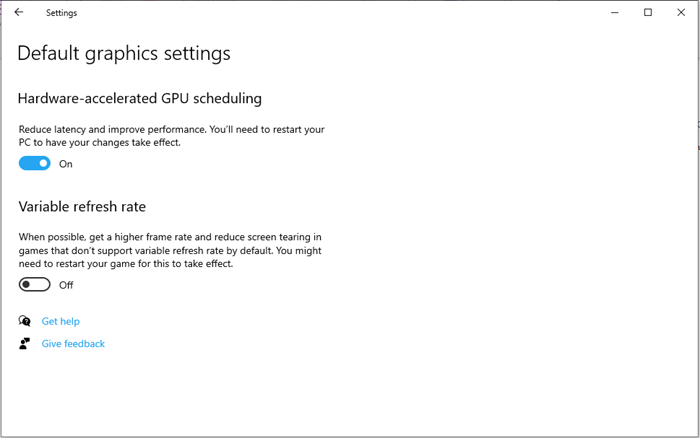 How to Turn off or Disable Hardware Acceleration in Windows 11/10
Mozilla Firefox
1. Type about:config in your address bar and hit enter. Accept the warning if it pops up.
2. Search for gfx.accelerated-windows and set it to False.
3. Restart Firefox, and you're done!
Microsoft Edge
1. Unfortunately, Edge doesn't have an easy way to disable graphics acceleration. But don't worry, we've got a workaround.
2. Install the Microsoft Edge Beta. It has a flag to disable hardware acceleration, just like Chrome.
 Fix High GPU Usage on Windows 11
3. Type edge://flags in your address bar, search for Hardware Acceleration, and set it to Disabled.
4. Restart Edge, and you're good to go!
But Wait, What About Gaming?
If you're a gamer, you might be thinking, "But I need my graphics acceleration for gaming!" And you're right. Turning off graphics acceleration won't suddenly make your games run smoother. It's more about giving your GPU a break when it's not needed, like when you're just browsing the web or working on documents.
Think of it like a muscle. You wouldn't want your biceps working overtime when you're just sitting at your desk, right? Give them a break, and they'll be ready when you need them for that heavy lifting. Same goes for your GPU.
Final Thoughts
Turning off graphics acceleration is like giving your computer a little breather. It's not a cure-all, but it can help improve performance and keep your hardware running cool. So, next time your laptop's running hotter than a spicy taco, give this a try. Your computer will thank you.
And remember, it's all about balance. Just like you wouldn't want your graphics card working overtime, you wouldn't want it sitting idle either. So, use your computer's power wisely, and it'll serve you well. After all, it's not just a tool, it's your digital sidekick. Treat it right, and it'll stick by your side through thick and thin.
