Internal Temperature For Baked Salmon

Ever found yourself at a dinner party, fork poised, ready to dive into that perfectly golden, flaky salmon, only to have your host say, "Wait! Let's check the temperature firs...
Ever found yourself at a dinner party, fork poised, ready to dive into that perfectly golden, flaky salmon, only to have your host say, "Wait! Let's check the temperature first." You might've thought, "Really? It's not like we're cooking a turkey here!" Well, today we're going to chat about why that little temperature check is actually a big deal when it comes to baked salmon. So, grab a cup of tea, and let's dive in.
Why Bother with the Temperature Thingy?
First things first, why should you care about the internal temperature of your baked salmon? Isn't it just fish? Well, yes, but it's also a delicious, nutrient-packed meal that you've taken the time to cook. Wouldn't you want to make sure it's cooked just right?
Think of it like a good book. You wouldn't want to skip to the end without reading the middle, right? The same goes for cooking. You want to enjoy every bit of that salmon, from the first tender flake to the last. And that's where the internal temperature comes in.
Must Read
What's the Magic Number?
So, what's this magical temperature we're all chasing? The USDA recommends cooking salmon to an internal temperature of 145°F (63°C). But here's the thing, fish is delicate. It can go from perfectly cooked to overcooked in a flash. That's why many chefs recommend pulling it off the heat when it's around 125°F (52°C) and letting it rest. This allows the heat to continue to cook the salmon, bringing it up to that 145°F (63°C) mark without overcooking it.
It's like that friend who always arrives fashionably late to parties. You might think they're not coming, but then, boom! They walk in, looking fabulous, and everyone's happy. That's what happens when you pull your salmon off the heat a little early.
How to Check the Temperature
Now, you might be thinking, "That's all well and good, but how do I actually check the temperature?" Well, my friend, it's easier than you think. All you need is a meat thermometer. Yes, the same one you use for your steaks and roasts. Fish is meat, after all.
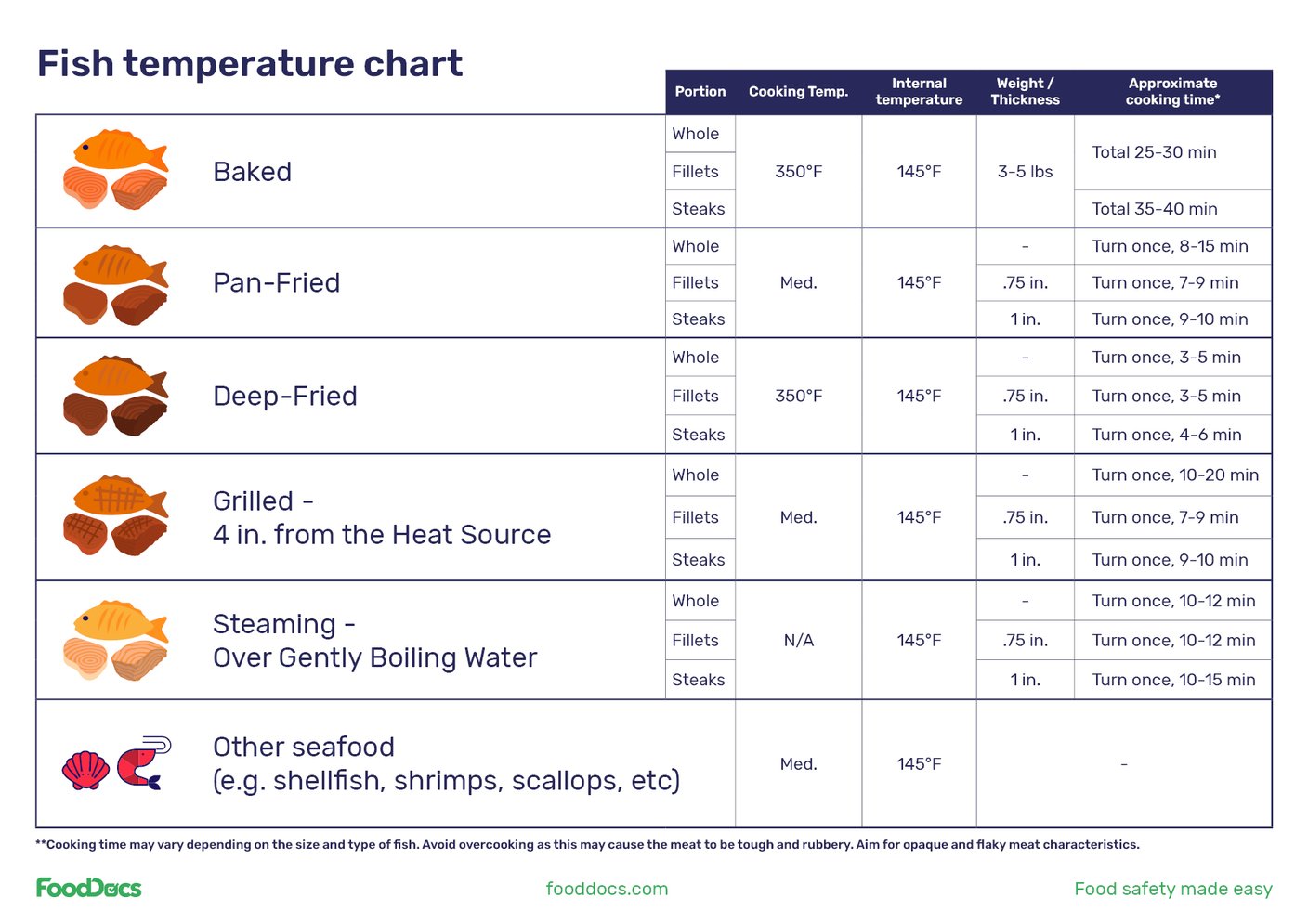 Salmon Internal Temp When Cooked at Isaac Oppen blog
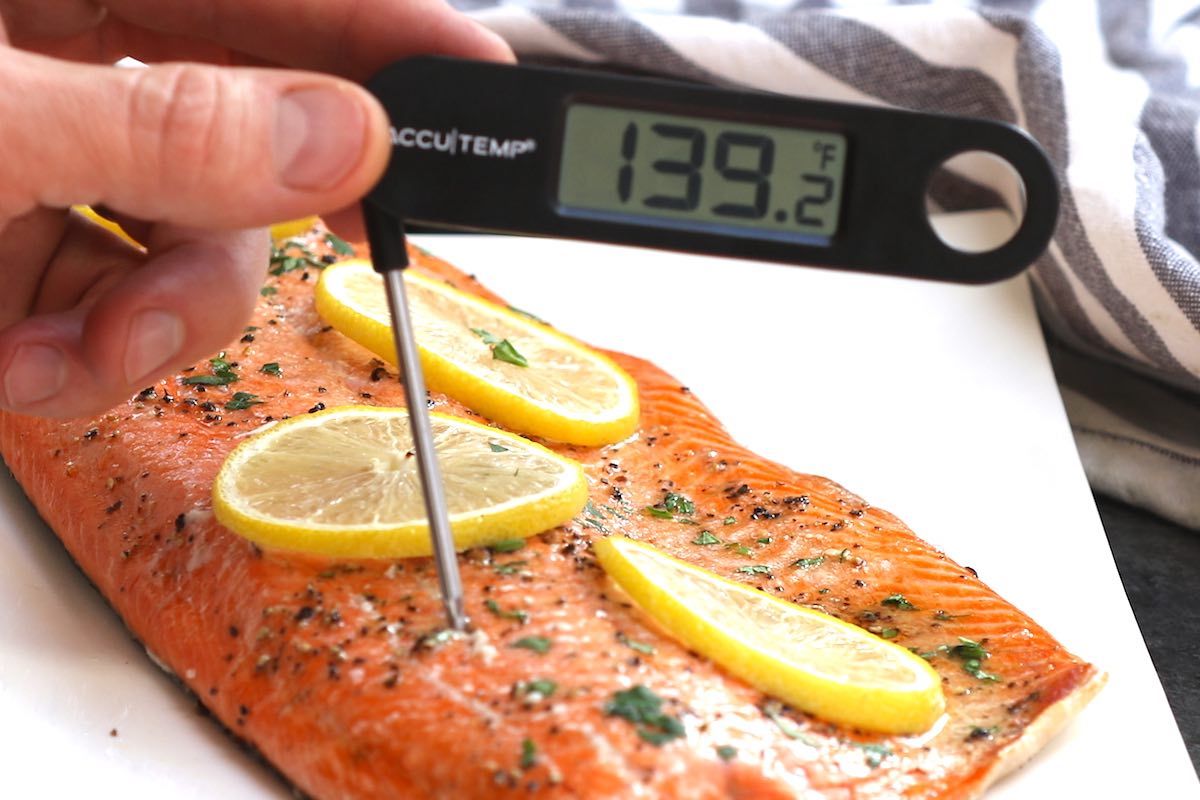
Here's a little tip: Insert the thermometer into the thickest part of the salmon fillet, at an angle of about 45 degrees. This ensures you're getting an accurate reading. It's like finding the perfect spot on the beach - not too crowded, not too empty. Just right.
If you don't have a meat thermometer, don't worry. You can still check the doneness of your salmon by gently pressing the top of the fillet with a fork. If the salmon flakes easily, it's done. It's like playing a game of Simon Says. The salmon says, "Flake," and you say, "Yes, ma'am!"
But What About Those Pretty Crusty Edges?
You might be wondering, "What about those gorgeous, crispy edges? Won't checking the temperature ruin them?" Well, here's a little secret. Those crispy edges are actually the result of the Maillard reaction, a chemical process that happens when amino acids and reducing sugars are exposed to heat. In other words, it's science magic. And guess what? Science magic doesn't care about temperature checks.
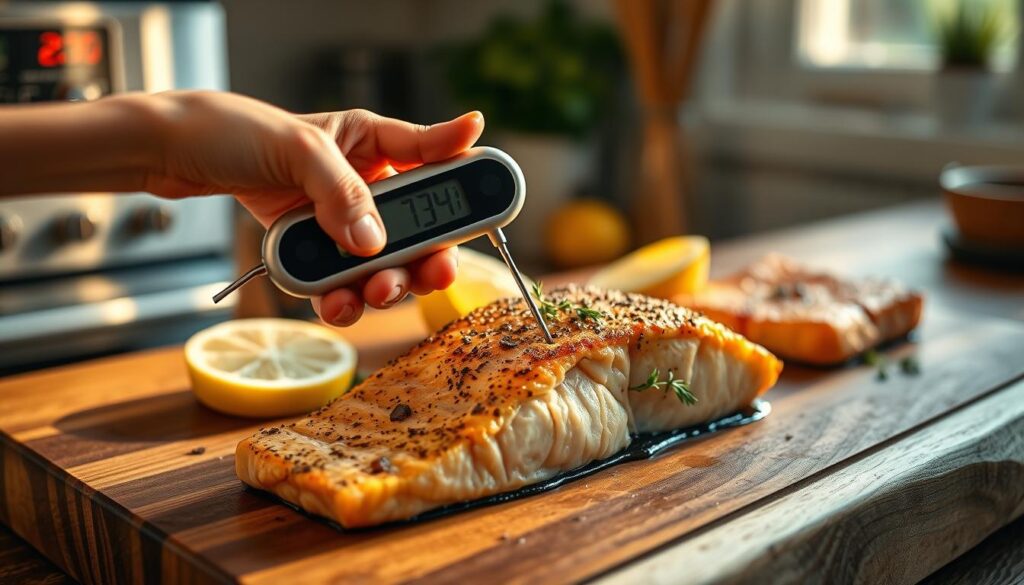 How Long Should I Bake Salmon? (Perfect Timing Guide)
So, go ahead. Check your salmon's internal temperature. Make sure it's cooked just right. And then, enjoy every last flaky, tender, perfectly cooked bite. Because you deserve it. You've earned it. You've checked the temperature, after all.
So, Why Should You Care?
Alright, let's wrap this up. Why should you care about the internal temperature of your baked salmon? Because it's about more than just cooking a fish. It's about respecting the food you've chosen to eat. It's about taking the time to ensure that every bite is as delicious as it can be. It's about turning a simple meal into something special.
It's like when you take the time to wrap a gift. Sure, the gift is great on its own, but that little bit of extra care makes it even better. That's what checking the internal temperature of your baked salmon is like. It's that little bit of extra care that turns a meal into an experience.
So, the next time you're cooking salmon, don't skip that temperature check. Your taste buds will thank you. And who knows? You might just become the salmon whisperer of your friend group. Now, isn't that a title worth having?
