Maverick Knoll Accident What Happened

Picture this: You’re cruising down a quiet highway, the kind where the only sounds are the hum of your tires and the occasional chirp of a bird. Suddenly, your phone buzzes—an...

Picture this: You’re cruising down a quiet highway, the kind where the only sounds are the hum of your tires and the occasional chirp of a bird. Suddenly, your phone buzzes—another notification from a friend: "Hey, did you see what happened on the 101 near the Maverick Knoll exit? Total mess." You glance over, half-expecting to see a dramatic pileup in the distance. Instead, you spot a single, smoldering car, its roof caved in like a soda can someone stepped on. That’s the Maverick Knoll accident for you—not the Hollywood disaster you’d imagine, but something far more insidious.
The Maverick Knoll accident wasn’t some epic, slow-motion crash you’d see in a movie. It was a slow-motion tragedy—one that unfolded over years, not seconds. And yet, it became one of the most infamous engineering failures in California history. If you’ve ever driven past that exit, you’ve probably seen the scars of what went wrong: a crumpled overpass, a memorial for the lives lost, and a cautionary tale about how not to build a highway.
What Even Was Maverick Knoll?
Let’s rewind. The 1950s were all about progress—big progress. California was building highways like they were going out of style, and the Maverick Knoll area near Los Angeles was no exception. The plan? A sleek, modern overpass to carry traffic over a steep hillside. The reality? A nightmare waiting to happen.
Must Read
The overpass was designed by a company called Kiewit, which—spoiler alert—wasn’t exactly known for its meticulous attention to detail. (We’ll get to that.) The hillside itself was a geological mess: unstable, crumbly, and basically begging for trouble. But here’s the kicker—no one told the engineers that. Or if they did, they ignored it.
The First Red Flags (Or: When Engineers Should’ve Said “No”)
Fast-forward to 1971. The overpass was supposedly finished, but the ground beneath it was already showing signs of distress. Cracks appeared like spiderwebs, and the concrete started shifting like Jell-O. The state knew something was wrong—so why did they keep driving cars over it?
Turns out, money was involved. Fixing the overpass would’ve cost millions, and the state was not in the mood to drop cash on a half-built disaster. So they did what any rational person would do: pretended it wasn’t happening. Meanwhile, the hillside groaned, the concrete groaned, and the world carried on.
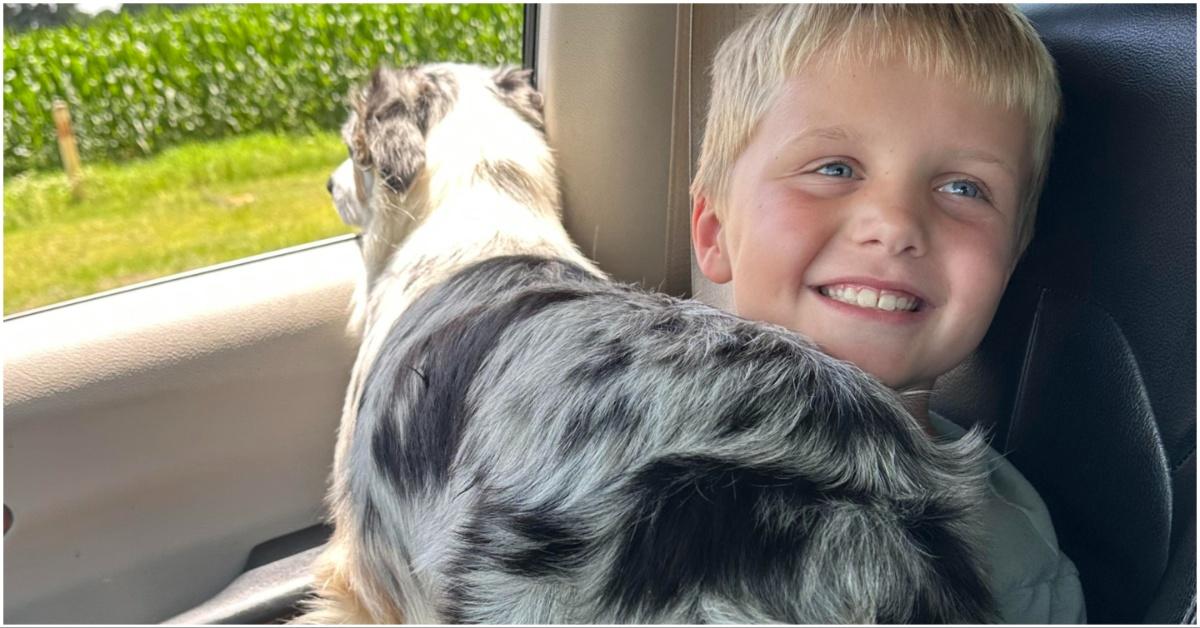 What Happened to Maverick Knoll? Honoring a Little Boy’s Memory
The Day It All Came Crumbling Down
Then came December 20, 1971. A light rain had fallen the night before, softening the already unstable soil. At around 6:30 AM, the overpass gave way—not with a bang, but with a slow, ominous groan. A section of the hillside, now acting like wet Play-Doh, collapsed onto the highway below.
The result? Four people died instantly, and another was injured. The overpass itself was gone, reduced to a twisted metal skeleton. The highway was closed for months, and the state finally admitted they’d made a huge mistake.
Who’s to Blame? (Spoiler: Everyone)
So who’s at fault here? Everyone, really. The engineers at Kiewit cut corners—literally. They used cheaper materials, skipped proper soil tests, and basically gambled that the hillside would hold. The state ignored warnings and kept driving traffic over a death trap. And the public? They just drived by, none the wiser.
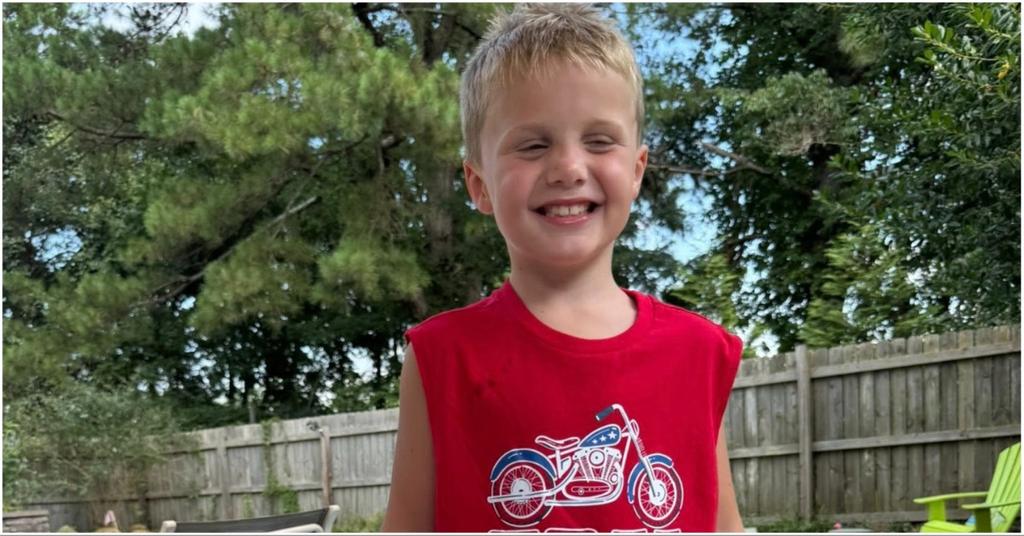 What Happened to Maverick Knoll? Honoring a Little Boy’s Memory
The aftermath was messy. Kiewit got fined (a small $50,000), the engineers involved lost their licenses, and the state had to rebuild—this time, properly. But the damage was done. Four lives were lost because someone thought they could cheat the system.
Lessons Learned? (Or: Why We Still Repeat the Same Mistakes)
Here’s the thing: Maverick Knoll wasn’t just a one-time failure. It’s a microcosm of how we treat infrastructure—like it’s disposable. We rush projects, skip safety checks, and only care about the bottom line. And when things go wrong? Too bad.
Today, the site is a memorial, a stark reminder of what happens when greed meets engineering. The overpass is gone, but the lessons? Not so much. We still build highways on unstable ground, still cut corners on safety, and still pretend everything’s fine until it’s too late.
Next time you’re driving past that exit, take a second to look at the empty space where the overpass used to be. It’s not just a hole in the road—it’s a warning. And if we’re honest? We’re still ignoring it.
