What Is The Less Than Or Equal To Sign

Alright, gather 'round, folks. I've got a tale to tell about a little symbol that's been causing a ruckus in the world of math and programming. You know it, you love it, you'v...
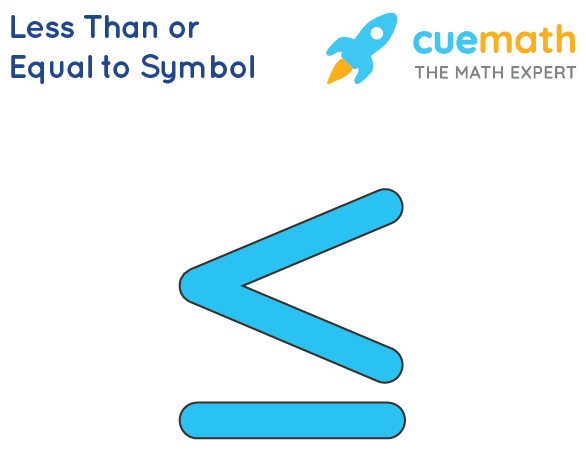
Alright, gather 'round, folks. I've got a tale to tell about a little symbol that's been causing a ruckus in the world of math and programming. You know it, you love it, you've probably seen it more times than you can count. I'm talking about the less than or equal to sign, or as the cool kids call it, the 'less than or equal to' sign. Let's dive in, shall we?
So, What's the Big Deal?
Well, imagine you're in a bakery, and you've got your eyes on a delicious-looking muffin. The sign says "3 muffins for $5". Now, you might think, "Hey, I can get 3 muffins for the price of 2!" But hold on, because that's where our little symbol comes in. The sign actually means "3 muffins for the price of <= 2". Suddenly, you're not getting such a great deal, huh?
See, in math and programming, the less than or equal to sign is like the bouncer at a club. It's saying, "You can come in if you're less than or equal to this number." In our muffin example, it's saying, "You can buy this deal if you're buying 2 or 3 muffins."
Must Read
But Why the Confusion?
Well, it's all about context, my friends. In math, we've got the less than sign (<), which is pretty straightforward. It means "smaller than". But when we add that squiggly line on top, suddenly it's like we're speaking a whole new language. The less than or equal to sign (<=) means "smaller than or the same as". It's like going from "I'm younger than you" to "I'm younger than or the same age as you". See the difference?
And here's where it gets really interesting. In programming, the less than or equal to sign can do some serious heavy lifting. It's not just about math anymore; it's about logic. It can control loops, make decisions, and even create some pretty impressive algorithms. But more on that later.
Where Did This Symbol Come From?
Alright, history lesson time. The less than or equal to sign has been around since the 16th century. Yep, you heard it right. It was first used by Robert Recorde, a Welsh mathematician who was also a bit of a language enthusiast. He wanted to create symbols that were easy to understand and use. So, he came up with the less than (<) and greater than (>) signs, and then combined them to create the less than or equal to (<=) and greater than or equal to (>=) signs.
Now, you might be thinking, "Why did he choose those symbols?" Well, Recorde was a bit of a show-off. He wanted his symbols to be unique and memorable. So, he chose the less than sign to look like a 'v', which is the first letter of 'minus' in Latin. And the greater than sign? That's a 'v' with a line through it, representing 'plus'. Clever, huh?
A Symbol for All Seasons
But here's where it gets really fun. You see, the less than or equal to sign isn't just for math and programming nerds. Oh no, it's gone mainstream. It's popped up in everything from video games to social media. Ever seen the 'less than three' emoji? That's our symbol, folks! It's a sneaky way of saying "I'm not interested" without actually saying it. Clever, huh?
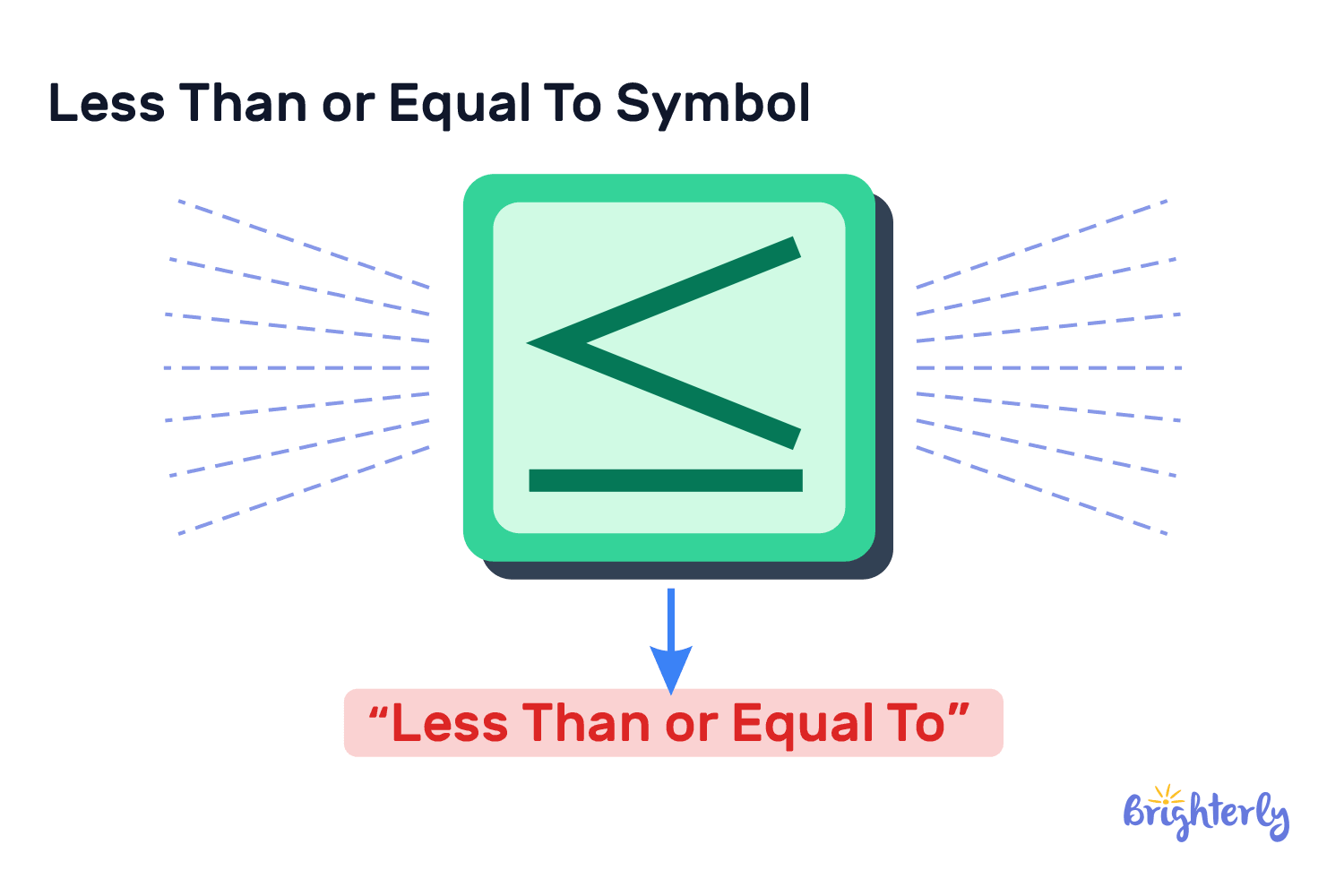 Less Than Sign: Definition, Examples, and Practice Math Problems
And here's a fun fact for you. The less than or equal to sign is also the symbol for the chemical element technetium. Yep, that's right. You're looking at the atomic symbol for a radioactive metal. Isn't that just the coolest?
So, How Does It Work in Programming?
Alright, let's get back to the nitty-gritty. In programming, the less than or equal to sign is a comparison operator. It's used to compare two values and return a boolean result - true or false. Here's a simple example in Python:
```python x = 5 y = 10 if x <= y: print("x is less than or equal to y") ```In this case, the if statement is checking if x is less than or equal to y. Since 5 is indeed less than 10, the program will print out the message. Easy peasy, right?
But here's where it gets really interesting. The less than or equal to sign can also be used in loops. For example, in a for loop, it can control how many times the loop runs. Here's an example in JavaScript:
```javascript for (let i = 0; i <= 5; i++) { console.log(i); } ```In this case, the loop will run 6 times, printing out the numbers 0 through 5. The less than or equal to sign is telling the loop to keep going as long as i is less than or equal to 5.
 How To Type Less Than Or Equal To? 8 Different Ways – YLEAV
But Wait, There's More!
You might be thinking, "That's all well and good, but what about the greater than or equal to sign?" Well, I'm glad you asked. The greater than or equal to sign (>=) is just as important. It's the yin to the less than or equal to sign's yang. It's used to compare values and return a boolean result, just like its less than or equal to counterpart. But instead of checking if a value is less than or equal to another, it checks if a value is greater than or equal to another.
Here's an example in JavaScript:
```javascript let score = 85; if (score >= 90) { console.log("You've passed with flying colors!"); } else { console.log("You've passed, but there's room for improvement."); } ```In this case, the if statement is checking if the score is greater than or equal to 90. Since 85 is not greater than or equal to 90, the program will print out the second message.
So, What's the Moral of the Story?
Well, folks, the less than or equal to sign might seem like a simple little symbol, but it's got a lot of power. It's been around for centuries, it's used in everything from math to programming to social media, and it's even the atomic symbol for a radioactive metal. So next time you see that squiggly line, remember, it's not just a symbol. It's a symbol of logic, of control, of decision-making. It's a symbol that's been around for centuries, and it's not going anywhere anytime soon.
And there you have it, folks. The tale of the less than or equal to sign. I hope you've enjoyed this little journey into the world of symbols. Until next time, keep your eyes peeled for those sneaky little symbols. You never know where you might find them!
