Whose Towers Do Cricket Wireless Use

Picture this: You’re mid-conversation with your bestie, scrolling through memes, or just trying to avoid your roommate’s questionable life choices—only to realize your phone’s...

Picture this: You’re mid-conversation with your bestie, scrolling through memes, or just trying to avoid your roommate’s questionable life choices—only to realize your phone’s battery is at 3%. You frantically check your signal, and bingo—Cricket Wireless is your lifeline. But here’s the million-dollar question: Whose towers are you actually using when you’re on that cheap, happy plan? Spoiler: It’s not just Cricket’s. It’s like that one friend who always shows up to the party with snacks, but you’re still not sure if they’re the host or just really good at crashing.
Cricket Wireless is what we call a MVNO—that’s Mobile Virtual Network Operator for the non-techies. Think of it like a fast-food chain that doesn’t own the kitchen. They don’t build their own towers or buy their own spectrum; instead, they rent the whole operation from bigger players. It’s like ordering a "Cricket Special" at a restaurant where the chef is actually from T-Mobile or AT&T, but they’ve got their own secret sauce (or in this case, their own branding).
Who’s Really Holding Up Your Signal?
Cricket’s main partners are T-Mobile and AT&T, and they’ve got a few different deals depending on where you are. If you’re in most of the U.S., you’re probably riding T-Mobile’s network—like hitching a ride with your most reliable, slightly chaotic cousin who always shows up with snacks but also forgets to tell you they’re leaving town. T-Mobile handles the bulk of Cricket’s coverage, especially in cities and busy areas where everyone’s always on their phones.
Must Read
But if you’re in a few specific markets—like parts of California, Texas, or Florida—Cricket might be borrowing from AT&T. It’s like when your friend switches up their ride-share app mid-trip because Uber’s too expensive, and suddenly you’re stuck with Lyft’s surcharges. AT&T’s network is a bit more old-school, but it’s still there, doing its thing. Cricket’s coverage maps can be a little confusing, so if you’re in one of those spots, you might notice a slight difference in speed or reliability—kind of like when your Wi-Fi cuts out during a Zoom call, and you’re just this close to blaming your internet provider.
Why Does This Even Matter?
Honestly? It probably doesn’t—unless you’re one of those people who gets obsessed with network stats like it’s a sports scoreboard. But knowing this can be handy if you’re comparing plans or trying to figure out why your signal’s acting up. For example, if you’re in a T-Mobile-heavy area and your Cricket connection feels sluggish, it might just be T-Mobile’s day off (or maybe they’re busy with their own customers).
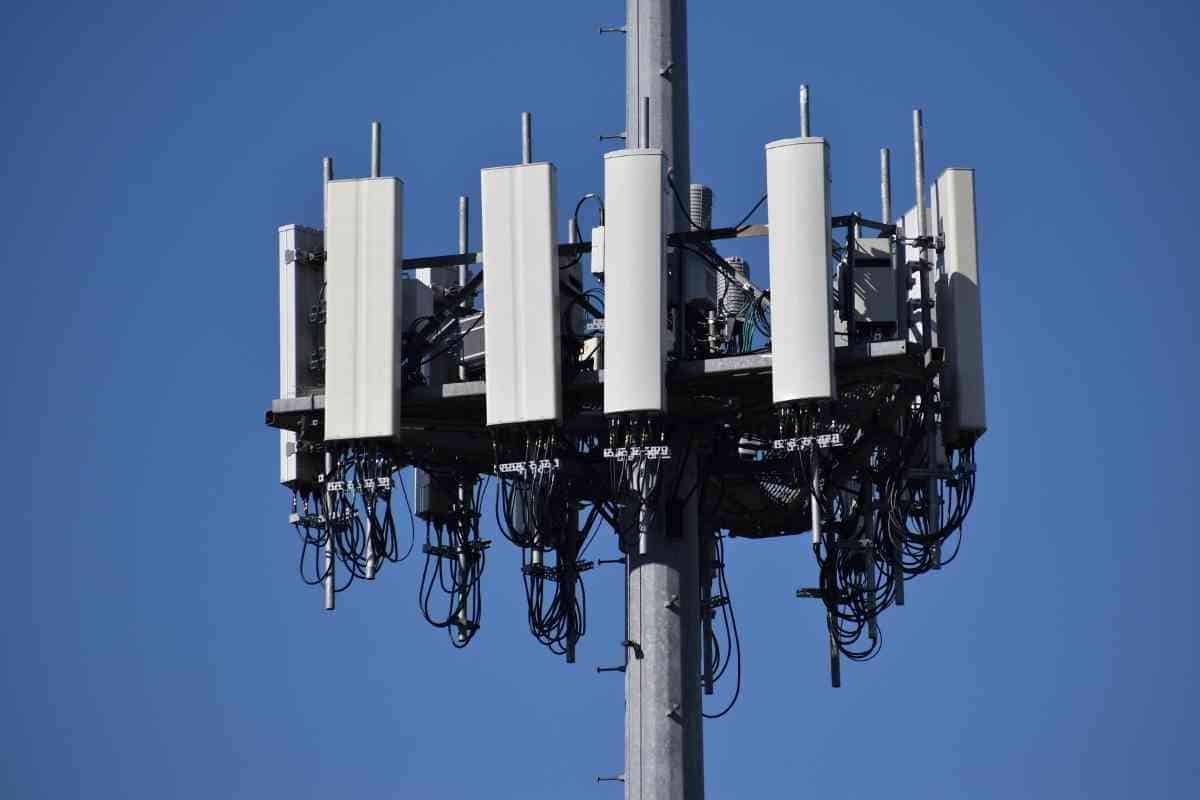 Does Cricket Use Verizon Towers? Who Do They Use?
Think of it like sharing a ride with a friend: You’re all in the same car, but someone else is driving. The car’s still yours to enjoy, but you’re not the one paying for gas or dealing with the traffic tickets. Cricket’s job is to make sure you get the best ride for the lowest price, while the big networks handle the heavy lifting. It’s a win-win—unless, of course, your "driver" (aka T-Mobile or AT&T) decides to take a wrong turn.
How Do You Know Which Network You’re On?
No need to memorize a cheat sheet. Your phone’s settings can tell you all you need to know. Go to Settings > Cellular > Network Selection (or something similar, depending on your phone), and there it is: T-Mobile LTE or AT&T 5G staring back at you. It’s like checking the back of a shirt to see who made it—sometimes you just want to know, even if it doesn’t change anything.
If you’re curious, you can also check Cricket’s coverage map on their website. It’s like looking at a map of your friend’s road trip—you’ll see where they’ve been and where they’re headed, but you might still get lost trying to figure out the exact route. Pro tip: If you’re in a rural area, you might be on a different network entirely, or you might just be out of luck. It’s the digital equivalent of being in the middle of nowhere with no signal—frustrating, but part of the adventure.
 What Towers Does Cricket Wireless Use? - World-Wire
Is This a Big Deal?
Not really. Cricket’s whole thing is giving you a solid, affordable experience without all the fluff. If you’re happy with your plan, your signal, and your savings, then who cares who’s actually running the show? It’s like getting a great meal at a restaurant where the chef’s name isn’t on the menu—you’re just glad the food’s delicious.
That said, if you’re the type of person who likes to geek out over network details, you might enjoy knowing that Cricket also has a tiny partnership with Verizon in some areas. Yes, even that network. It’s like when your friend’s ex shows up at a party—you’re surprised, but mostly just glad they’re not causing drama. Verizon’s coverage is usually the strongest in rural areas, so if you’re out in the boonies, Cricket might be borrowing a little Verizon magic to keep you connected.
So next time you’re scrolling through your Cricket data, remember: You’re not just using their towers. You’re part of a digital carpool, and someone else is doing the heavy lifting. It’s not perfect, but it’s cheap, and that’s what matters. Now go enjoy your unlimited everything—just don’t blame Cricket if your signal cuts out during a game of Among Us. That’s just the internet being internet.
