Animal Cell Function Of Cell Membrane

So, you're curious about animal cells, huh? Let's grab a coffee and chat about 'em. You know, those tiny little powerhouses that make up every living creature, from your furry...
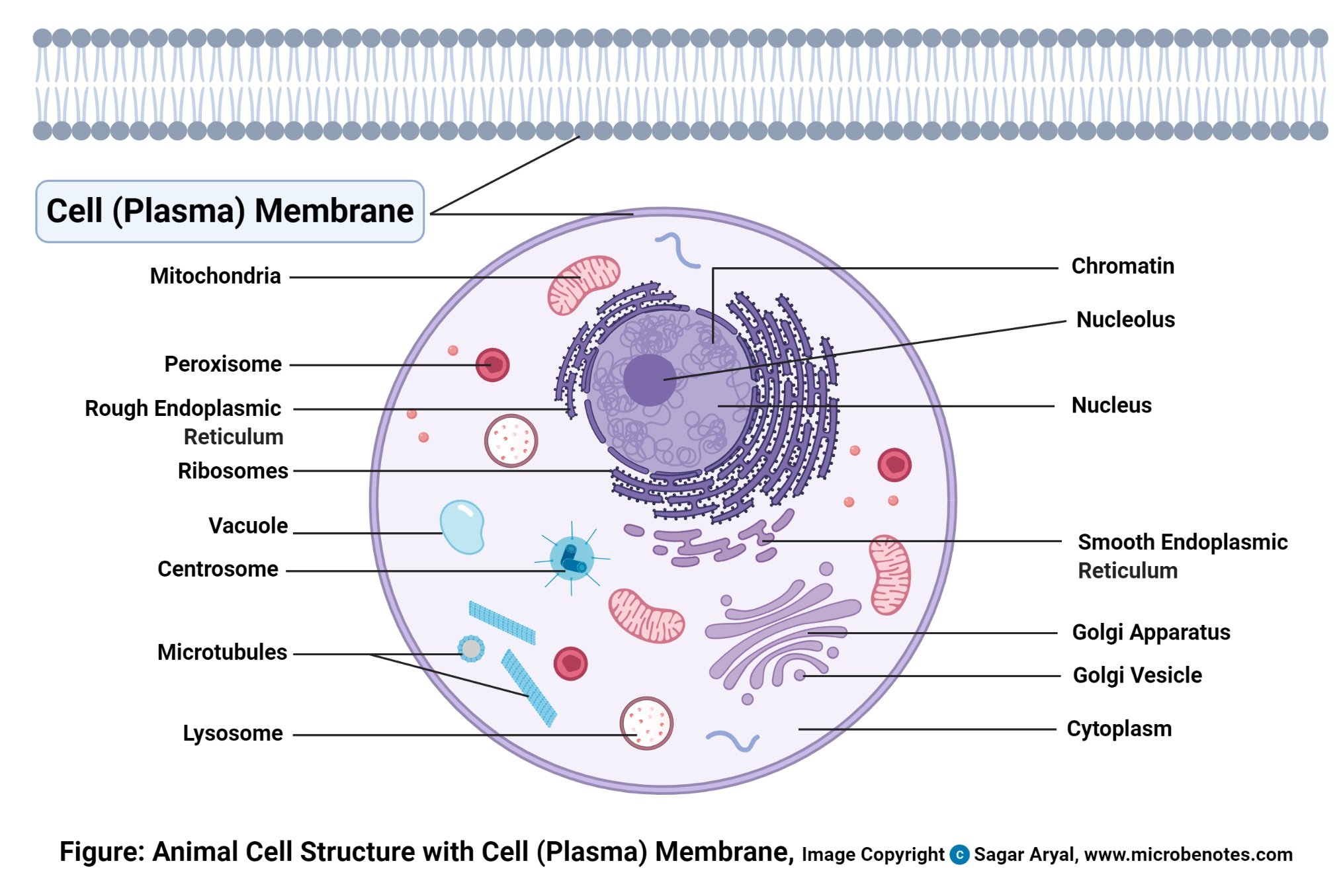
So, you're curious about animal cells, huh? Let's grab a coffee and chat about 'em. You know, those tiny little powerhouses that make up every living creature, from your furry friend to that squirmy worm in your garden. Let's dive into the cell membrane, the cell's very own bouncer and communication hub. Buckle up, it's gonna be a blast!
Meet the Cell Membrane: The Bouncer
Imagine the cell membrane as the bouncer at an exclusive club. It's the first line of defense, deciding who gets in and who stays out. It's made of a lipid bilayer, which is just a fancy way of saying it's two layers of fats. Now, don't go picturing a greasy burger patty - it's way more elegant than that!
This membrane is full of proteins, acting like little gates and channels. They let stuff in and out, like a well-organized party. Some proteins are like bouncers, moving molecules around. Others are like VIP passes, allowing specific molecules to enter. It's a well-oiled machine, I tell ya!
Must Read
Communication Central
But the cell membrane isn't just about security. It's also the cell's communication central. It's covered in receptors, like little antennae picking up signals. When a hormone or neurotransmitter floats by, it latches onto a receptor, and boom, the cell gets the message.
Think of it like a game of telephone. The message starts at one cell, bounces to the next, and so on. It's how your body coordinates everything, from moving your muscles to making you feel hungry. Isn't that wild?
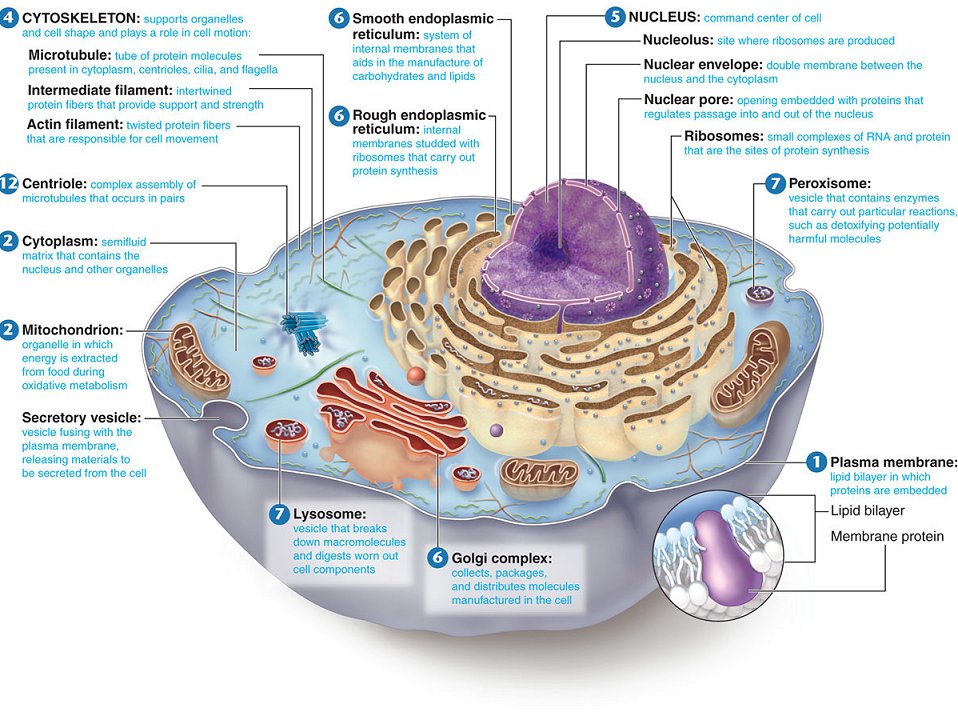 Knowledge Class: Structure of a Generalized Eukaryotic Cell
Keeping Things in Check
Now, you might be thinking, "That's all well and good, but what about keeping the cell's insides... well, inside?" Well, that's where the membrane's fluidity comes in. It's not a solid wall, but more like a liquid, allowing molecules to move around. But don't worry, it's not so fluid that stuff just leaks out. It's a delicate balance, my friend!
Plus, the membrane has a negative charge, which helps repel other negatively charged molecules. It's like a force field, keeping the cell's contents safe and sound. Pretty nifty, huh?
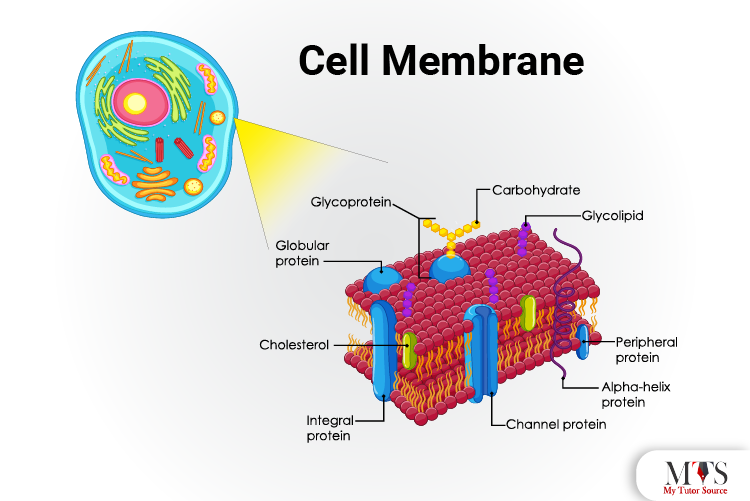 Animal Cell Membrane Function , Animal Cells, Definition, Structure
When Things Go Wrong
Now, you might be wondering, "What happens when this membrane isn't working right?" Well, that's when we get into trouble. Certain diseases, like cystic fibrosis, happen when the membrane's channels aren't working properly. It's like the bouncer fell asleep on the job, and now the party's a mess!
But don't worry, scientists are always working on new ways to fix these issues. It's a fascinating field, I tell ya!
So, there you have it. The cell membrane - the cell's bouncer, communicator, and protector. It's a busy little organelle, isn't it? Next time you're feeling grateful for your cells, give your membrane a little mental high-five. It deserves it!
