Earnings Per Share Formula Accounting

Ever wondered how companies tell you how much money they're making? It's like they're sharing their secret recipe, but with numbers instead of spices. That's where Earnings Pe...
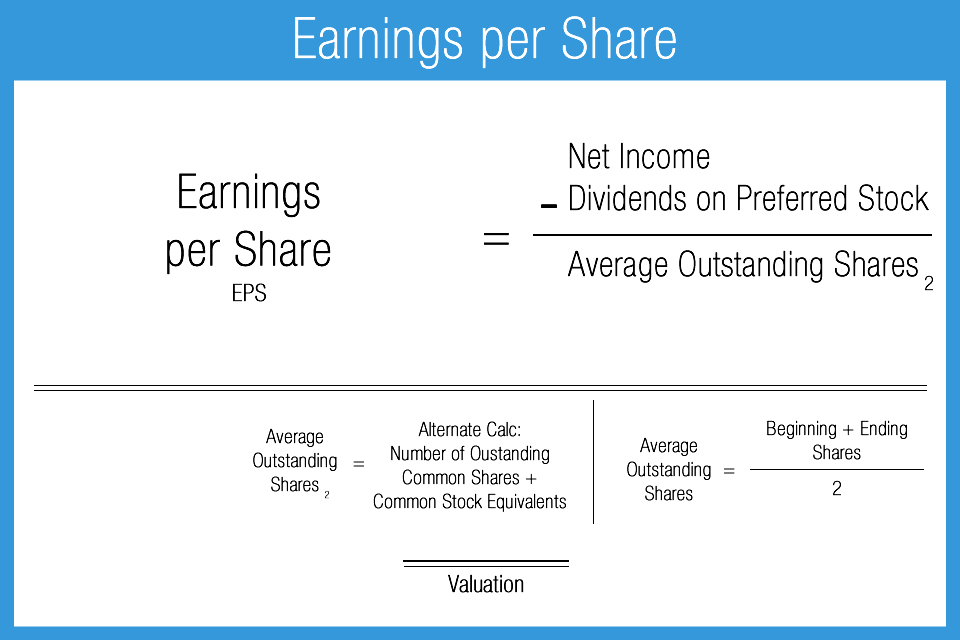
Ever wondered how companies tell you how much money they're making? It's like they're sharing their secret recipe, but with numbers instead of spices. That's where Earnings Per Share (EPS) comes in, and it's way cooler than it sounds.
So, What's the Big Deal with EPS?
Imagine you're at a party, and someone asks, "How much fun are you having per person?" You'd probably look around, consider the food, the music, and the company, then give an estimate. EPS is kind of like that, but for companies. It's a way to figure out how much profit a company is making for each share of its stock.
But Wait, What's a Share?
Alright, imagine you and your friends decide to start a lemonade stand. You all chip in some money, and in return, you get a 'share' in the stand. If you have more shares, you get more of the profit when it's time to split the earnings. In the corporate world, shares are like tiny pieces of a company. When you buy a share, you're essentially buying a piece of that company.
Must Read
Now, Let's Get to the Formula
EPS is calculated using this simple formula:
EPS = Net Income / Number of Outstanding Shares
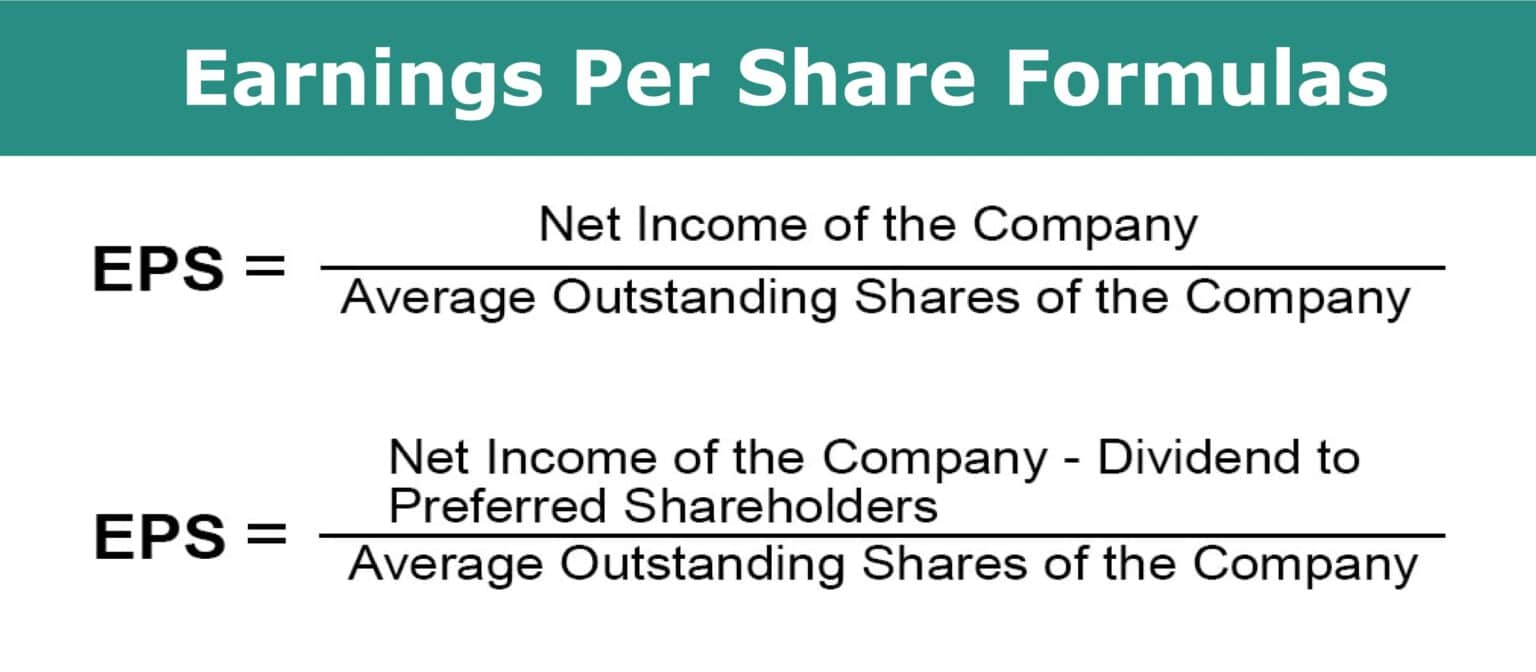 Earnings per share formulas- How To Calculate EPS with Example
Let's break it down. 'Net Income' is like the total profit a company makes after all expenses. 'Number of Outstanding Shares' is the total number of shares that are currently owned by shareholders. So, EPS is just the profit per share. Easy peasy, right?
Why Does EPS Matter?
Think of EPS as the company's way of saying, "Hey, look how well we're doing!" It's a quick way for investors to see if a company is profitable and if it's growing. If a company's EPS is going up, it might mean they're doing something right. But remember, it's just one piece of the puzzle. You wouldn't judge a book by its cover, would you?
But What About Diluted EPS?
Now, you might be thinking, "But what if the company issues more shares? Wouldn't that change the EPS?" You're absolutely right. That's where Diluted EPS comes in. It's like considering all the 'what ifs' - what if the company issues more shares? What if they convert those convertible bonds into shares? Diluted EPS takes all that into account and gives you a more conservative estimate of the EPS.
 Earnings Per Share Formula | Definition, Formula, How to Calculate?
So, Should I Invest Based on EPS?
Well, that's a big question. EPS can be a useful tool, but it's not the only thing you should look at when deciding whether to invest in a company. You should also consider other factors like the company's growth prospects, its competition, and its management. It's like choosing a restaurant - you wouldn't just look at the price per dish, would you? You'd also consider the food, the ambiance, and the service.
Let's Wrap It Up
So, there you have it. Earnings Per Share - it's not just a bunch of numbers on a page. It's a way for companies to tell you how well they're doing, and for you to decide if you want to be a part of their success. It's like a secret handshake between companies and investors. Pretty cool, huh?
Next time you hear about EPS, don't just nod along. Ask questions, dig deeper. After all, knowledge is power, and understanding EPS can give you a bit more power in the world of investing.
