What Is The Weighted Cost Of Capital

Ever wondered how companies decide if a project is worth their time and money? Like, imagine you're a big shot CEO, and someone's like, "Hey, let's build a roller coaster in t...

Ever wondered how companies decide if a project is worth their time and money? Like, imagine you're a big shot CEO, and someone's like, "Hey, let's build a roller coaster in the middle of the city!" You'd want to know if it's gonna be a thrilling success or a total flop, right?
That's where the Weighted Average Cost of Capital (WACC) comes in, folks. It's like the cool kid in the investment world, helping businesses make decisions that'll make their shareholders happy and their wallets fatter.
So, what's the deal with WACC?
In simple terms, WACC is like the average cost of a company's capital, but with a twist. It's not just about the cost of borrowing money or issuing stocks. It's about finding the weighted average, taking into account how much the company has of each type of capital and how much it costs to get that capital.
Must Read
Think of it like a recipe. You've got your main ingredients (like debt and equity), and each has a different cost and quantity. WACC is like the final dish, a perfect blend of all those costs, giving you the average cost of capital for your company.
But why is it so important?
WACC is like the golden standard for evaluating projects. It helps companies decide if a project is worth their time and money. If the expected return on a project is higher than the WACC, it's a green light! But if it's lower, it's a big ol' red flag, and the project might not be worth it.
 Weighted Average Cost of Capital (WACC) - Formula, Examples
Let's say you're a company thinking about opening a new ice cream parlor. If the expected profit from selling scoops is higher than your WACC, it's time to break out the sprinkles and whipped cream! But if it's not, you might want to stick to the 9-5 and leave the ice cream dreams to someone else.
Now, let's get a bit technical (but not too much, I promise)
To calculate WACC, you'll need to know a few things:
 Understanding The Weighted Average Cost Of Capital (WACC), 40% OFF
- The cost of debt (Kd), which is the interest rate you pay on borrowed money.
- The cost of equity (Ke), which is the return shareholders expect from investing in your company.
- The capital structure, which is the mix of debt and equity your company uses to finance its assets.
- The corporate tax rate (T), which is the percentage of your profits the government takes.
Once you've got those, you can plug them into this fancy pants formula:
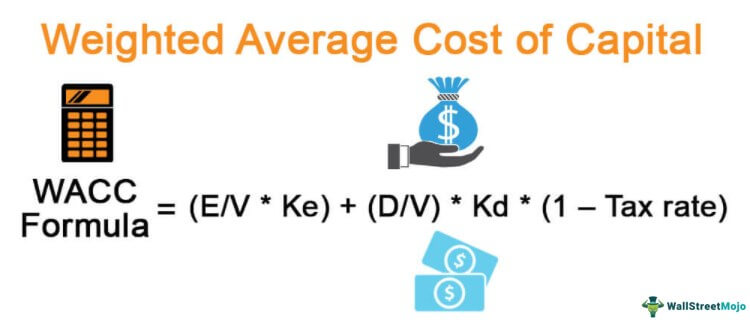
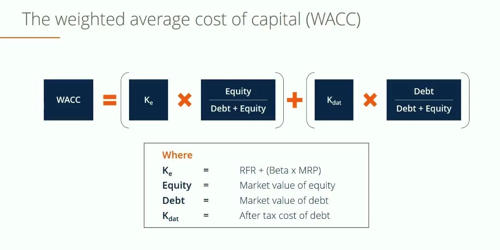
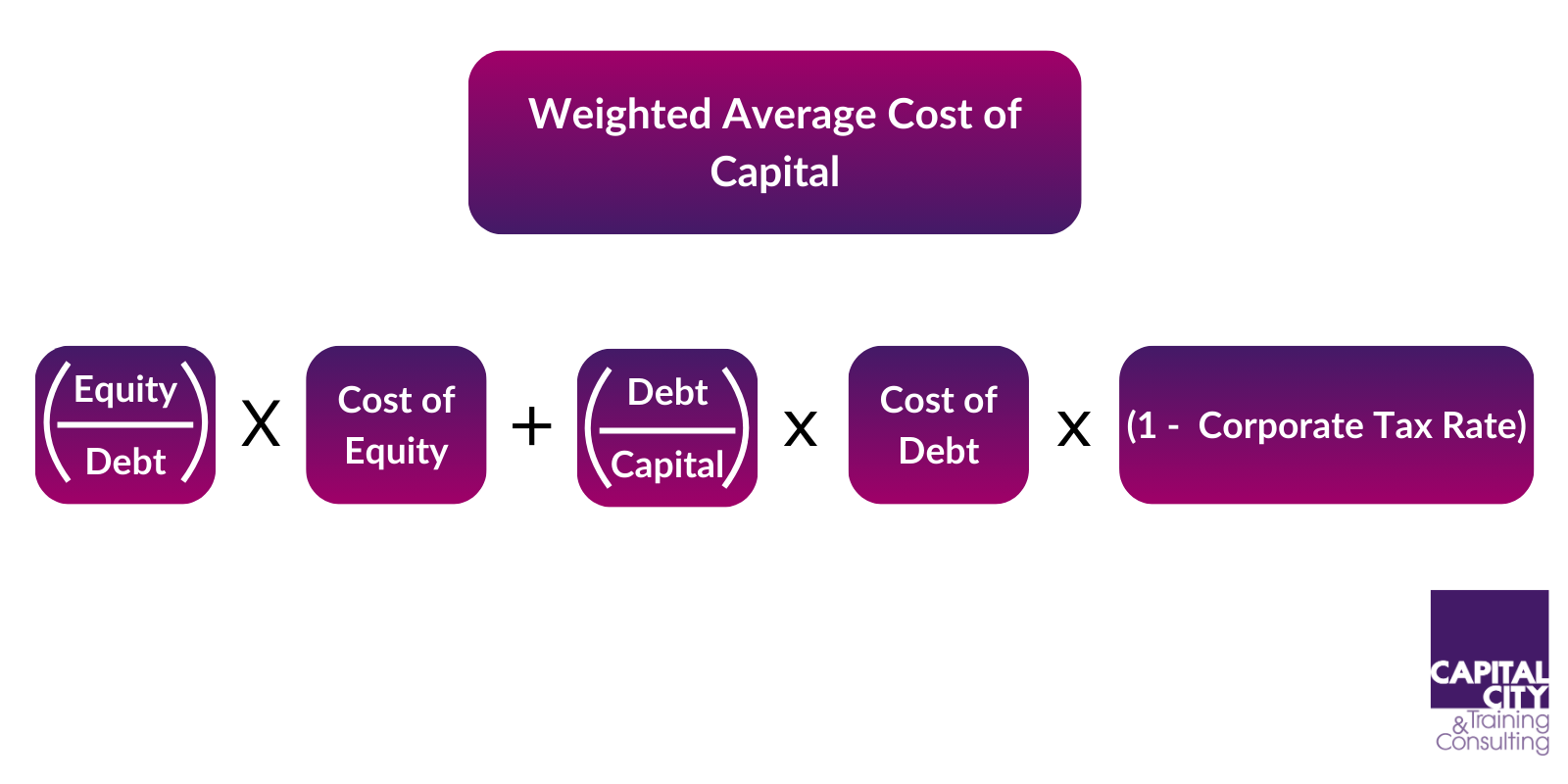
WACC = (E/V * Ke) + ((D/V * Kd) * (1 - T))
 Weighted Average Cost of Capital (WACC): Formula, Analysis, Examples
Where:
- E is the market value of the company's equity.
- D is the market value of the company's debt.
- V is the total market value of the company's capital (E + D).
And that, my friends, is the magic of WACC. It's like the company's financial compass, helping it navigate the world of investments and projects, making sure it's always heading towards the sweet smell of success.
So next time you hear about a company's WACC, you'll know it's not just some fancy financial jargon. It's a tool that helps businesses make decisions that could change the world, one roller coaster or ice cream parlor at a time.
